








Exploring El Paso’s Historic Forts and Military Sites
El Paso, Texas, lies at the intersection of rich history and vibrant culture, a striking desert landscape that has witnessed significant military activity since the 19th century. The city’s strategic location along the U.S.-Mexico border has made it a crucial site for various military installations and historic forts. In an area where the echoes of the past resonate, visitors can explore these remnants that tell the stories of soldiers and families who once populated these active military communities.
The numerous historical forts and military sites dispersed throughout El Paso serve as a testament to the city’s evolution from military outpost to a bustling urban center. Each site not only offers a glimpse into the past but also holds cultural significance, showcasing the contributions of diverse groups that shaped the region’s history. Understanding these fortifications provides insight into the broader narratives of American history, indigenous cultures, and the development of the southwestern frontier.
Fort Bliss: A Pillar of Military History
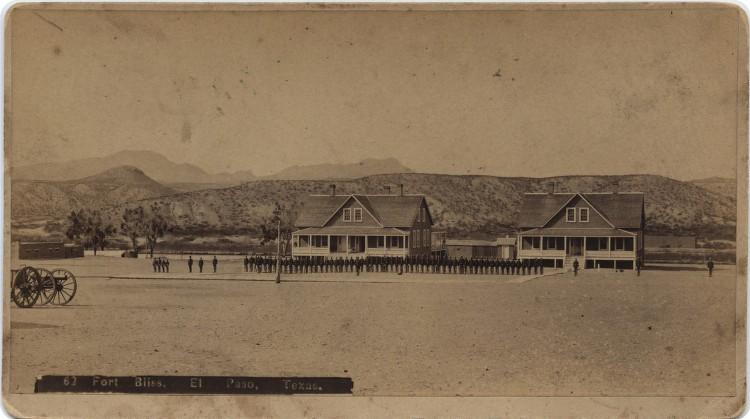
Established in 1849, Fort Bliss is one of the oldest military installations in the United States and plays a vital role in modern military operations. Originally set up as a frontier fort to protect settlers from Native American tribes, its significance grew over the years, evolving from a small outpost into a large military post rallying numerous soldiers and families.
Today, Fort Bliss stands as a renowned training ground for the U.S. Army. It hosts a variety of military units, including air defense artillery and armored brigades, and is known for its vast training areas that encompass portions of both Texas and New Mexico. The sheer size of the installation—spanning over 1.1 million acres—provides an ideal environment for live-fire exercises and large-scale training operations. It remains strategically important, serving as a deployment station for troops heading to conflicts abroad.
The historic district of Fort Bliss is a trove of architectural gems, including the Fort Bliss Museum, which chronicles the post’s history through a captivating collection of artifacts, photographs, and exhibits. Visitors are encouraged to explore the museum and learn about the critical role Fort Bliss has played in shaping military tactics, technology, and community life over the decades. The museum also highlights famous military figures and significant events, such as the testing of early aviation technology and ground-breaking military strategies during the World Wars.
The Evolution of Fort Bliss
Over the years, Fort Bliss has undergone numerous changes, significantly influenced by the shifting landscape of warfare and military needs. During the Mexican-American War and later conflicts, Fort Bliss evolved to accommodate new technologies and strategies, contributing to the nation’s military history. Post World War II, its facilities expanded dramatically, integrating advanced training modules to prepare soldiers for modern combat.
Today, Fort Bliss serves as one of the Army’s major power projection platforms, recognizing the need to prepare troops for global deployments. The installation also supports numerous joint operations with other military branches, reflecting modern warfare’s collaborative nature. This shift from a traditional base to a leading training entity emphasizes the need for resilience and agility in an unpredictable world.
The Historic Significance of the Old Fort in El Paso
Outside of Fort Bliss, the remnants of the Old Fort, constructed in 1849, tell a different story. Though it was abandoned in 1886, this site highlights the military’s early days in the region. The fort’s relocation to a more advantageous position marks a significant moment in El Paso’s military history, symbolizing the ongoing struggle between the United States’ westward expansion and the rights of indigenous peoples.
The Old Fort served as a crucial point in the federal government’s efforts to keep the peace in a rapidly evolving frontier. Soldiers stationed here were tasked not only with protecting settlers but also with interacting diplomatically with local tribes. As tensions often ran high, the fort became a hub for negotiations and, at times, conflict.
Visiting the Old Fort today, tourists can explore the remaining structures, providing an authentic glimpse into the military’s early days in the region. Informative plaques detail the fort’s initial purpose, its architecture, and the daily lives of soldiers stationed there. These stark remnants remind visitors of the challenges the military faced as they tried to establish order in a largely uncharted territory, filled with uncertainty and conflict.
Connections to Indigenous History
Understanding El Paso’s military past also requires acknowledging the interactions (and often conflicts) between federal forces and Indigenous communities. The establishment of military posts like the Old Fort was significant for Indigenous populations, marking a shift in their autonomy and traditional lifestyles. The struggles faced during this period highlight the complex history of colonization and the ongoing implications for local tribes.
The military’s presence in El Paso often disrupted the local balance, leading to the forced removal of Indigenous groups from their lands. Education and awareness regarding this aspect of history are crucial for understanding the full narrative of the region.
Fort Selden: The Guardian of the Rio Grande
Located just north of El Paso, the remnants of Fort Selden, established in 1865, stand as a testament to the United States Army’s efforts in securing the southwestern territory. This fort was essential for protecting settlers and facilitating trade along the Rio Grande River, allowing peace to flourish in a tumultuous time in the nation’s history.
Fort Selden was mainly used as a supply depot and staging ground for troops. Its operations were critical during various military campaigns, especially throughout the Apache Wars. The construction of the fort reflected the military’s continual need to adapt to the geographical and social terrain, providing a strategic point for operations against the local tribes.
Today, Fort Selden is a state historic site that attracts history enthusiasts and nature lovers alike. Visitors can stroll through the remains of the fort and explore nature trails that lead to stunning views of the surrounding landscape, providing both a historical and recreational experience. Educational programs and guided tours bring the stories of Fort Selden’s past to life, making it a valuable site for learning and reflection on the military’s complex role in shaping the region.
Historical Restoration Efforts
Fort Selden’s preservation reflects the community’s commitment to honoring its past. Over the years, restoration efforts have aimed to maintain the fort’s physical remnants while providing valuable historical context. Volunteers and local organizations continuously work to ensure that the site’s history is accessible and engaging for future generations.
The fort’s storied past is brought to life through guided tours and interpretive programs that explore the soldiers’ daily lives and the local geography. Events such as reenactments and educational workshops enhance the visitor experience, fostering a deeper appreciation for the region’s rich history. Such activities showcase the fort’s role as a crucial player in U.S. expansion, emphasizing the stories of the soldiers and local inhabitants.
San Elizario: A Military Town with Rich Cultural Heritage
The quaint community of San Elizario offers a unique glimpse into the military presence that shaped El Paso. Established in the late 1800s, San Elizario served as a central supply route for nearby forts like Fort Bliss and Fort Selden. As the community grew, it became a melting pot of cultures, blending Spanish, Mexican, and American influences.
Once a military outpost, San Elizario is now known for its preservation efforts that highlight the architectural and cultural identity shaped by both military and civilian life. The historic district displays charming adobe buildings, churches, and plazas that echo the colonial past, revealing stories rooted in endurance and community resilience amidst a changing landscape.
Visitors can explore the rich history of San Elizario through its numerous cultural events, which celebrate the area’s heritage. Annual festivals, including the San Elizario Art and Historical District Festival, provide opportunities for locals and tourists alike to engage with traditional music, crafts, and cuisine. Such festivities are a testament to the community’s ongoing efforts to promote pride in its storied past.
Connecting Past and Present
San Elizario demonstrates how the remnants of military presence can coexist with thriving communities. The various historical sites remind residents and visitors of the region’s intricate tapestry of stories, blending military history with cultural heritage. As the area continues to evolve, its commitment to preserving the past illustrates a profound respect for the influences that have shaped its identity.
Furthermore, the community’s outreach and historical initiatives aim to foster awareness regarding the impacts of history on contemporary life. Emphasizing sustainable tourism and educational programming, San Elizario encourages visitors to explore its historical significance while celebrating its dynamic present.
The Importance of Preservation and Education
Preserving El Paso’s military heritage is vital for understanding the broader implications of U.S. history and the significance of military engagement with diverse communities. The military sites and forts offer invaluable insights into the challenges and triumphs experienced throughout the years.
Restoration and historical education play crucial roles in commemorating the lives of those who served and highlighting the intertwined narratives of military and civilian life in the region. As modern conflicts evolve, **engaging with this past becomes all the more critical** for helping future generations learn from history and understand its relevance in today’s world.
Many organizations and institutions focus on educational outreach, providing resources for schools and communities to enhance historical awareness. By fostering a connection to these past narratives, we honor the stories of sacrifice, bravery, and cultural exchange that have defined El Paso’s military landscape.
Conclusion: A Journey Through History
El Paso’s historic forts and military sites remain a key part of the city’s cultural fabric, connecting today’s residents and visitors with the legacies of the past. As individuals explore these sites, they not only engage with local history but also gain a broader understanding of America’s military trajectory. Memorializing the sacrifices of those who served and understanding the intricate dynamics between the military and civilian communities fosters a sense of unity and resilience, essential in today’s world. Laying bare the stories of bravery and conflict, El Paso’s forts serve as profound reminders of a complex history that continues to shape our society.