







The Colorful Tapestry of El Paso’s Historic Murals
El Paso, Texas, a city rich in culture and history, is emerging as a vibrant hub of artistic expression, with historic murals adorning its streets. These murals reflect the unique narratives of the community, blending elements of indigenous heritage, Hispanic culture, and modern artistic trends. As visitors stroll through the meticulously painted alleyways and public spaces, they are greeted not just by art but by stories that have been woven into the fabric of the city.
One of the most striking features of El Paso’s murals is their ability to transform ordinary places into extraordinary experiences. Each mural serves as a canvas for local artists to communicate their visions, and they frequently engage with themes of social justice, identity, and the vast histories that define the region. As the city continues to embrace and promote its vibrant arts scene, it invites both residents and tourists to explore the rich narratives encapsulated within these colorful walls.
The Historical Context of Murals in El Paso
Murals have been an integral part of El Paso’s cultural landscape for decades. The tradition of mural-making can be traced back to the early 20th century, heavily influenced by the Mexican Muralism movement that included notable figures such as Diego Rivera and David Alfaro Siqueiros. These artists emphasized themes of social change and cultural pride, inspiring a generation of local artists to use murals as a medium for storytelling.
Throughout the 1960s and 1970s, as the civil rights movement gained momentum, El Paso’s artists began to address societal issues and cultural heritage through their work. Murals became a way to reclaim public space and assert identity amid a backdrop of political upheaval. Today, many of these early works still stand, serving as both historical markers and sources of inspiration for contemporary artists who seek to convey their own stories.
The city’s mural program gained official recognition in the early 2000s when the El Paso City Council initiated efforts to beautify public spaces through art. Since then, numerous projects have emerged, celebrating local artists while also encouraging community involvement in the mural-making process. The fusion of historical context with contemporary themes is indicative of El Paso’s ongoing evolution as an artistic community.
Prominent Murals and Their Artists
The Market Square Murals
The Market Square in El Paso is home to several striking murals, each echoing the spirit of the neighborhood. One prominent mural, titled “Una Vida”, is painted by local artist Hugo Medina. This massive work represents the connection of the community to its roots, illustrating historical figures and cultural traditions that have shaped the area. Through vibrant colors and intricate designs, the mural invites viewers to reflect on the past while considering the future of the city.
Another noteworthy mural found in the Market Square is “El Salvador”, a tribute to the immigrant experience. Artist Jesus “Shorty” Rodriguez captures the challenges and triumphs of individuals who came to El Paso in search of a better life. This mural showcases the resilience of the human spirit, blending rich symbolism with contemporary artistry. The mural effectively utilizes storytelling techniques that resonate with viewers, encouraging both empathy and understanding of the immigrant plight.
The Chicano Park Murals
Chicano Park, although primarily associated with San Diego, has inspired a similar movement in El Paso. This park features a range of murals that celebrate Chicano culture and the contributions of Mexican Americans to the city. These works of art often highlight icons of the civil rights movement, and local legends, and celebrate the fusion of cultures in the area. Artists such as Alma López and Antonio “Tony” Ortega have left their indelible marks here, weaving powerful narratives through their vibrant artwork.
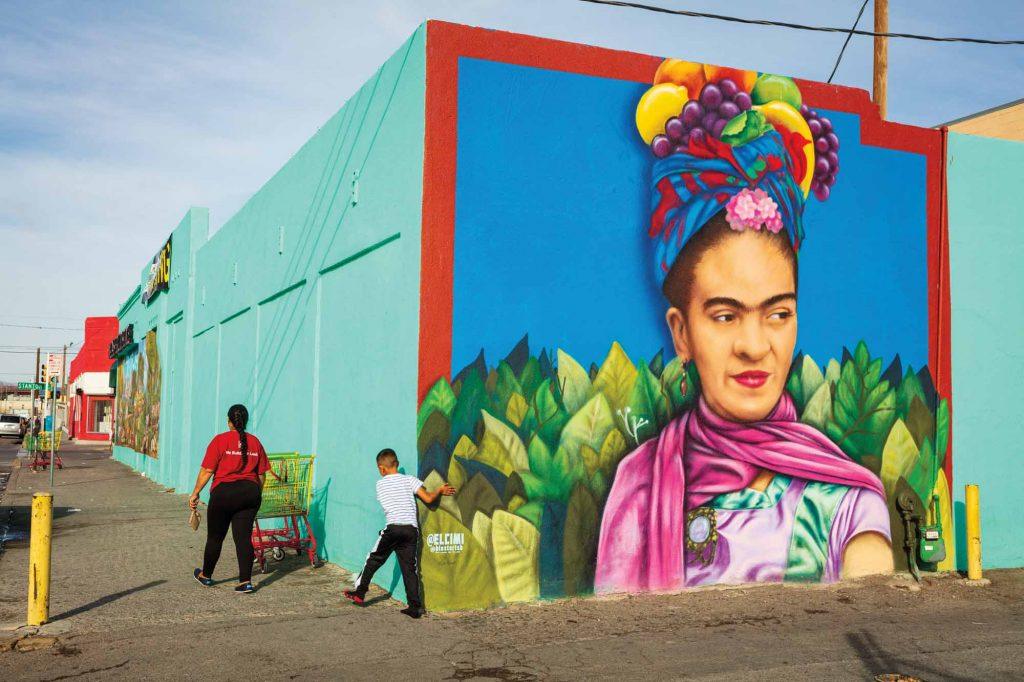
One mural that stands out in Chicano Park is the vibrant depiction of Frida Kahlo, a symbol of strength, resilience, and female empowerment. This mural uses bold colors and intricate symbolism to represent not just the life of the artist but also the broader struggle for women’s rights and representation within the arts. Kahlo’s likeness serves as a focal point, inspiring future generations of artists to challenge norms and assert their identities.
Art Walks: Exploring El Paso’s Murals on Foot
El Paso has cultivated a thriving arts community that hosts regular art walks, providing locals and tourists the chance to engage with the city’s murals in a thoughtful and immersive way. The El Paso Murals Project organizes these walks, often led by knowledgeable local artists who share their insights into the history and symbolism behind the murals. Participants are treated to a curated experience, which fosters a deeper appreciation for the art and its creators.
The art walks typically take place in specific neighborhoods known for their vibrant murals, such as the Downtown Arts District and Sunset Heights. Each walk allows participants to witness firsthand the transformative effect of art on urban spaces. With stops at various murals, guides narrate the stories behind the artworks, discuss the techniques employed by the artists, and offer context regarding the cultural significance of the pieces. This interaction not only educates participants but also helps forge a connection between the artists and the audience.
For those interested in joining an art walk, numerous platforms provide information about scheduled tours, including social media pages and local tourism websites. The walks are usually suitable for all ages and vary in length, from short, one-hour excursions to more extensive, themed tours that showcase the city’s artistic diversity. Engaging with art in this communal setting creates a sense of belonging and shared experience among participants, igniting conversations about creativity, culture, and the importance of public art.
The Impact of Murals on Community and Tourism
The presence of murals throughout El Paso has had a profound impact on the community, enhancing both cultural identity and tourism. As these murals promote local heritage, they contribute to a sense of pride among residents. The vibrant colors and dynamic subjects typically draw enthusiastic locals, instilling a feeling of ownership over the shared space. The inclusion of local stories, figures, and cultural motifs fosters connections that deepen community ties and encourage participation in events that promote the visual arts.
From a tourism perspective, the murals have made El Paso an attractive destination for art enthusiasts and cultural travelers alike. Social media platforms like Instagram and Facebook play a significant role in this shift, as many murals have become popular photo spots that visitors flock to capture and share. The hashtag #ElPasoMurals has garnered thousands of posts, effectively branding the city as a haven for mural lovers and driving interest in art-related tourism.
The economic benefits of these murals extend beyond tourism; they have also stimulated local businesses. Cafes, galleries, and shops often pop up in proximity to popular mural sites, creating a lively atmosphere that attracts both locals and visitors. Art walks, live events, and festivals that celebrate these murals encourage spending in the arts and entertainment sectors, benefiting the local economy while enhancing the city’s cultural richness.
Future Directions for El Paso’s Artistic Landscape
As El Paso continues to grow and develop, so too does its passion for public art. Community involvement remains at the forefront of initiatives that aim to create new murals throughout the city. Local artists and organizations are often called upon to contribute to these projects, fostering a spirit of collaboration that strengthens the bond between art and community. Such collaborative murals not only showcase diverse artistic styles but also encourage ongoing dialogue about contemporary issues, culture, and identity.
The city is also exploring partnerships with educational institutions to promote art education and inspire a new generation of artists. Workshops and seminars are being organized to educate young people about muralism and the impact of public art on communities. These educational initiatives encourage participants to engage with their city creatively, fostering a sense of responsibility for their shared spaces and promoting an appreciation for visual storytelling.
Moreover, plans for future art walks and festivals continue to emerge, providing opportunities for local artists to showcase their talents on larger stages. Events that celebrate mural art can create a sense of belonging among residents while attracting visitors from all over. By harnessing the power of art to unite and educate, El Paso is poised to become a leading example of how public art can shape urban landscapes and uplift communities.