









Frisco, recognized as one of the fastest-growing cities in North Texas, continues to attract new residents with its excellent schools, job prospects, and expanding neighborhoods. The rapid emergence of new subdivisions, shopping centers, and roadways is transforming the local landscape year after year. While this growth enhances convenience and opportunity, it disrupts the delicate balance between human habitation and the natural environment.
As previously open land is developed and construction encroaches on established communities, local wildlife finds itself compelled to adapt. Many insects and animals respond to these changes by seeking refuge indoors, where they can easily access food, water, and shelter. This shift has led to an uptick in homeowners recognizing unusual or persistent pest activity, prompting them to consider pest control services in Frisco as part of their routine home maintenance rather than a last-minute solution.
Frisco’s Expansion Is Reshaping the Local Ecosystem
The surge in development does more than simply increase the number of homes; it also alters the survival strategies of local wildlife. With fields and wooded areas disappearing, pests are losing their natural habitats and are often forced to seek new locations, frequently finding their way into residential neighborhoods.
The disruption caused by ongoing construction is not a one-time event; it perpetuates as neighborhoods continue to grow. Each new development phase pushes insects and rodents further into nearby homes, transforming pest activity into a persistent issue rather than a seasonal concern.
New Construction Creates New Pest Pathways
The clearing of land compels pests to relocate. When trees, brush, and soil are disturbed, creatures such as ants, rodents, and termites lose their nesting sites and often gravitate towards nearby homes where conditions are more favorable. This migration can occur swiftly, sometimes even before homeowners are aware that construction is underway.
Open foundations and exposed materials become attractive to insects. The presence of lumber, disturbed soil, and moisture around construction sites creates ideal conditions for pest proliferation. These areas serve as temporary shelters, allowing infestations to develop before spreading to surrounding homes.
Additionally, underground networks remain active. Utility trenches and drainage systems provide hidden pathways for pests to infiltrate residential areas, enabling them to traverse properties without being easily detected.
Common Pests Becoming More Active in Frisco Homes
As Frisco expands, certain pests are increasingly prevalent. These species often flourish in urban settings where development offers consistent resources. Recognizing the most common pests can help homeowners identify problems before they escalate.
While many of these pests are not new to the region, the intensity and frequency of their activity have risen dramatically. What may have once been an occasional nuisance has now turned into a recurring issue for numerous neighborhoods.
Ants and Roaches Thrive in New Neighborhoods
Ants are particularly attracted to new developments due to the disturbed soil and fresh landscaping. Once they infiltrate a home, they can be challenging to eradicate, as their colonies often extend beyond visible trails.
Roaches thrive in urban environments, benefiting from the increased moisture and food sources available in densely populated areas. Even impeccably maintained homes may face infestations, as roaches can enter through shared walls, drains, or small gaps in the exterior.
Rodents Follow Development Patterns
Mice and rats are remarkably adaptable and closely follow construction activities. When heavy machinery disrupts their burrows, they often seek shelter in garages, attics, and wall cavities.
Beyond being a mere nuisance, rodents pose a risk of damaging wiring and insulation. Their presence frequently goes unnoticed until signs such as scratching sounds or droppings indicate a more significant problem.
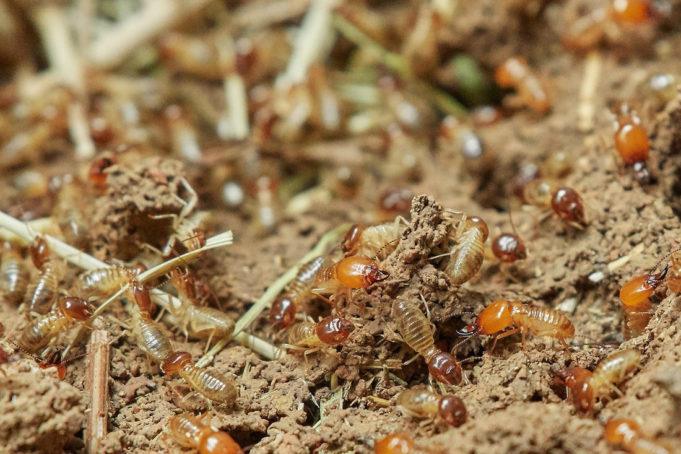
Termites Love Fresh Builds
Newly constructed homes are not immune to termite infestations, despite modern building standards. Fresh wood and soil contact create attractive conditions for termite colonies seeking to expand.
Many homeowners mistakenly believe that termites are primarily a concern for older properties. In fact, early infestations in newer homes can remain undetected until substantial damage has occurred.
Why Growth Makes Pest Problems Harder to Control
Urban expansion fundamentally alters pest behavior and complicates management strategies. Increased population density and ongoing construction foster ideal conditions for pest infestations to proliferate, making pest control considerably more complex than in smaller, less-developed areas.
In rapidly growing cities like Frisco, pest activity often escalates quicker than residents’ awareness. By the time homeowners begin to recognize a pattern, pests may already have established themselves in the vicinity.
Increased Density Encourages Spread
With homes built closer together, pests can easily migrate from one property to another without crossing significant open spaces, facilitating the spread of infestations throughout entire neighborhoods.
Shared infrastructures, such as drainage systems, utility lines, and fences, connect multiple homes, creating access points for pests. Once they infiltrate these shared pathways, containment becomes challenging.
The abundance of food sources supports larger pest populations. An increase in households leads to more waste, pet food, and outdoor dining areas, allowing pest populations to expand more rapidly than before.
Weather and Urban Heat Effects
Frisco’s climate naturally supports prolonged pest seasons, and urban development exacerbates this phenomenon. Concrete, asphalt, and buildings trap heat, creating warmer microclimates where pests remain active for extended periods.
Moreover, milder winters result in fewer natural population controls. Consequently, insects and rodents can reproduce earlier and persist later into the year, leading to heightened overall activity.
Signs Your Home May Be Affected
Pest issues often begin subtly before escalating into more visible problems. Being able to recognize early warning signs can help prevent more severe infestations. Many homeowners tend to overlook these indicators until they become impossible to ignore due to damage or discomfort.
Unusual noises in walls or ceilings, particularly at night, may suggest rodent activity. Small droppings, chewed materials, or grease marks along baseboards are also common signs of an infestation.
Insects may make their presence known around windows, doors, or sinks where moisture accumulates. Warped wood, hollow-sounding beams, or discarded wings near windows can indicate termite activity that warrants immediate attention.
Preventive Steps Homeowners Can Take
Preventing pest problems is often more effective than addressing a full-blown infestation. In rapidly growing areas, consistent prevention and awareness take precedence over drastic measures. Simple habits can lead to significant improvements over time.
While these steps may not eliminate all risks, they can make a home less attractive to pests. In a city like Frisco, maintaining a proactive approach to prevention is essential rather than waiting for issues to arise.
Simple Habits That Reduce Risk
Regularly seal entry points. Small cracks around doors, windows, and foundations provide easy access for pests. Periodic checks and sealing of these areas can limit entry opportunities.
Manage moisture levels both indoors and outdoors. Issues such as leaky pipes, clogged gutters, and poor drainage can attract insects. By controlling moisture, homeowners eliminate one of the primary factors that lure pests indoors.
Store food and waste responsibly. Using tightly sealed containers and ensuring regular trash removal reduces food accessibility, discouraging pests from settling in or returning.
Why Prevention Matters More in Growing Cities
As development progresses, pest pressures rarely remain static. A home that was previously pest-free may face new risks as adjacent areas are developed.
Consistent monitoring and prompt action allow homeowners to stay ahead of changes in their environment. Prevention becomes a vital part of adapting to a growing city rather than merely reacting to problems after they arise.
Frisco’s growth brings energy, opportunity, and a sense of progress that many residents appreciate. However, it also creates new challenges, including increased pest activity that often goes unnoticed until it starts to disrupt daily life.
By understanding how rapid development influences pest behavior and identifying early signs of infestations, homeowners can make informed decisions about protecting their properties. Staying proactive enables residents to enjoy all that Frisco has to offer while maintaining comfortable, safe, and resilient homes amid the city’s continuous expansion.