







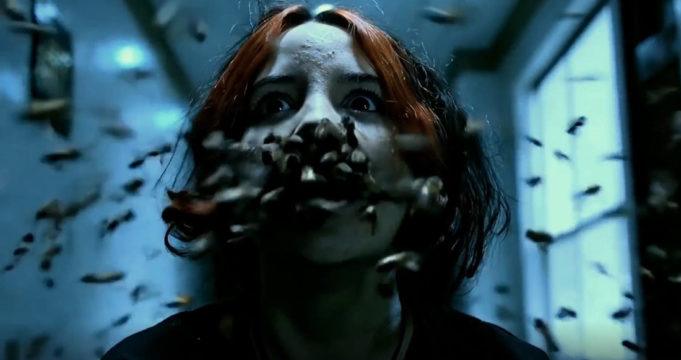
In the evolving landscape of the film industry, artificial intelligence (AI) is making a significant impact, sparking both concern and enthusiasm among filmmakers. This duality was highlighted by John Darbonne’s film, Devil’s Elbow, which showcases how AI can enhance visual effects while still relying on human creativity to shape narratives.
The advent of AI in filmmaking has generated anxiety among current filmmakers, who fear that automation might replace jobs traditionally held by crew members and actors. This concern has been amplified by the emergence of Tilly Norwood, recognized as the first AI actor. However, embracing AI might yield more advantages than previously imagined.
AI technology enables smaller productions to achieve a polished, big-budget aesthetic, potentially providing a platform for new voices to emerge in the industry. Darbonne, a filmmaker and professor who instructs primarily minority students, emphasizes that, “For a hundred years, money decided who got to make movies: cameras, stages, VFX houses. AI is breaking that down.”
In a pioneering move, Darbonne taught Texas’s first for-credit AI filmmaking course at Texas A&M-Corpus Christi in the spring of 2025. He believes that educators must engage with the challenges posed by AI to effectively address concerns surrounding its use in filmmaking.
Others in the industry are also adapting to the rise of AI. The North Texas Film Alliance has announced plans to launch AI workshops for filmmakers, create an AI Film and Media Showcase, and cultivate an ethical culture that prioritizes artists’ rights and consent.
While AI is unlikely to eliminate the film industry altogether, it is set to reshape it significantly. Darbonne predicts that a considerable amount of subpar content may flood the market, but films that truly resonate will be those driven by compelling stories, re-establishing the importance of screenwriters in the creative process.
Arthur Muhammad, director and producer of Surviving Sasha and Carter High, argues that filmmaking is inherently collaborative. He notes that although AI can create visuals, the essence of storytelling lies in human collaboration. “Now, you don’t even need a cast or crew with the use of AI,” he states, “but that defeats the purpose of filmmaking.”
Looking ahead, the Dallas AI Film Festival, scheduled for May 2027, aims to explore the potential of AI in film and challenge preconceived notions about its role in storytelling. Muhammad believes that while AI can assist in refining ideas, true creativity must originate from artists, as the human touch is what gives art its depth.
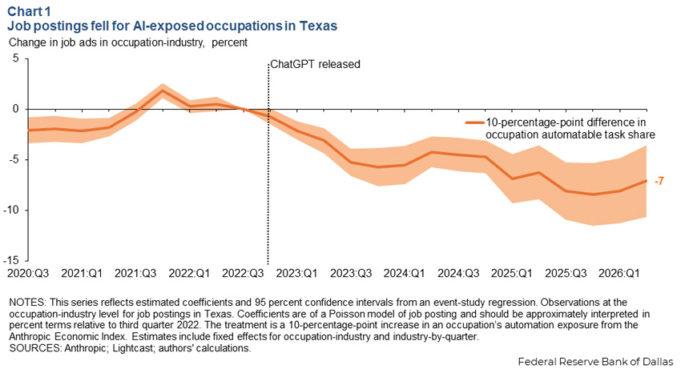
According to current employment statistics from the U.S. Bureau of Labor Statistics, the film industry is facing challenges, with job losses totaling around 50,000 positions between late 2025 and 2026. However, North Texas appears to be resilient, bolstered by recent state film incentives that have attracted a surge of productions post-pandemic.
Bart Weiss, a film innovator and founder of Dallas VideoFest, maintains a positive outlook regarding AI. He recalls initial resistance to video technology when he started VideoFest in 1986, mirroring today’s hesitance towards AI filmmaking. Weiss is looking forward to the upcoming AI film festival, which will feature an ethics panel aimed at addressing concerns and fostering dialogue about AI’s role in the arts.
While Weiss acknowledges that some jobs may vanish due to technological advancements, he is optimistic that new opportunities will arise. He advocates for a mindset of exploration and adaptability, asserting the importance of allowing creativity to flourish, even if it means risking failure.