









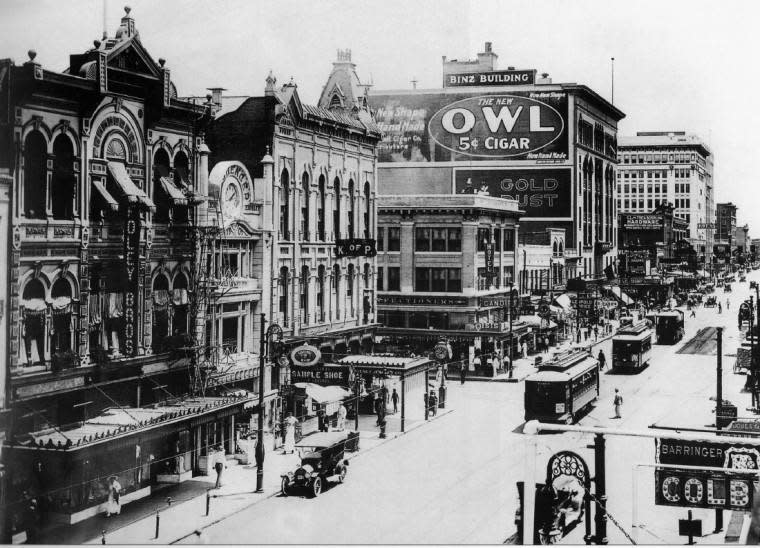
Exploring Historic Houston: Landmarks Along Main Street
Houston’s Main Street serves as a vibrant artery through one of America’s most dynamic cities, steeped in rich history and culture. This bustling thoroughfare is home to an array of historic landmarks that reflect the diverse architectural styles and the evolution of the city over decades. From palatial theatres to quaint shops, Main Street offers a glimpse into Houston’s past while seamlessly integrating contemporary life. As the heart of downtown, it invites both residents and visitors to explore its intriguing stories, providing a tangible connection to the city’s heritage.
The significance of Main Street extends beyond its commercial appeal; it also symbolizes the relentless spirit of Houston, a city constantly evolving yet deeply rooted in its history. As urban development continues to reshape the landscape, preserving these historic structures becomes essential. This article will delve into some of the most cherished landmarks along Main Street, highlighting their architectural features, historical significance, and the roles they continue to play in the community today.
The Majestic Theater: A Cinematic Time Capsule
One of the most iconic landmarks along Main Street is the Majestic Theater, a stunning representation of the golden age of cinema. Constructed in 1923, this historic theatre was originally designed as a movie palace for the majestic productions of the silent film era. The ornate facade, with its intricate terracotta detailing and twinkling marquee lights, serves as an invitation to step back in time.
The interior of the Majestic is equally captivating, featuring luxurious decor that includes lavish chandeliers, a grand staircase, and a beautiful proscenium arch. As a performance venue, it has hosted countless events, from live performances to film screenings, remaining a cherished place for generations of theater-goers in Houston. One of the theater’s most notable features is the “Mighty Wurlitzer” pipe organ, which adds a nostalgic touch to film presentations and live shows.
Over the years, the Majestic has undergone various renovations to preserve its authentic charm while adapting to modern audiences. Today, it hosts a variety of cultural events including concerts, film festivals, and community gatherings, ensuring that this historic site continues to thrive at the heart of Houston’s artistic community. The theater’s enduring legacy not only highlights the evolution of performance arts in Houston but also serves as a reminder of the importance of preserving architectural heritage.
The Rice Hotel: A Touch of Southern Elegance
Another hallmark of Houston’s history along Main Street is the Rice Hotel, a testament to Southern hospitality and elegance. Opened in 1913, the hotel was named after William Marsh Rice, a prominent Houstonian and philanthropist. The Rice Hotel quickly became a symbol of luxury, attracting the city’s elite and distinguished guests from around the world.
Architecturally, the Rice Hotel showcases a blend of Romanesque and Renaissance styles, featuring a striking red-brick exterior and intricate masonry. The hotel’s lobby is a sight to behold, adorned with elegant chandeliers and rich woodwork that evoke a sense of grandeur. Throughout its illustrious history, the Rice has played host to numerous significant events, including political gatherings and celebrations, making it a crucial part of Houston’s social fabric.
Although the Rice underwent several transformations over the decades, including a period of decline, it was revitalized in the early 2000s. Today, it operates as a modern hotel while maintaining its historic charm. It includes restaurants and event spaces that honor its heritage, providing guests with a unique experience that marries the old with the new. The Rice Hotel stands as a reminder of Houston’s legacy, fostering an appreciation for the city’s rich history and inviting all to indulge in its luxurious past.
Market Square Park: A Historical Heartbeat
Adjacent to Main Street lies the charming Market Square Park, an oasis of greenery amidst Houston’s urban sprawl. This park is steeped in history, initially serving as the site for Houston’s first market in the mid-1800s. With trees shading open spaces and plenty of benches for relaxation, it offers a tranquil escape while preserving the city’s heritage.
One of the park’s most notable features is its historic bandstand, which has been restored and serves as a venue for various cultural events, including live music and festivals. The park also features beautiful landscaping and public art installations that reflect Houston’s rich cultural mosaic. Walking through the park, one can encounter remnants of its historical past, such as the old brick paving that harkens back to the 19th century.
Furthermore, Market Square Park serves as a hub of activity for locals and tourists alike, hosting events that foster community engagement, including farmers’ markets and outdoor movie nights. Its preservation serves as a vital connection to Houston’s historic core while promoting a lively atmosphere for gatherings. By providing a space that intertwines nature and history, Market Square Park continues to be a beloved landmark along Main Street, celebrating the city’s vibrant past while encouraging community connections.
The Historic Court House: A Legal Legacy
The Harris County Courthouse, located just a stone’s throw from Main Street, exemplifies the grandeur of governmental architecture. Designed by famed architect John A. Watson, this historic courthouse was completed in 1910 and is recognized for its distinctive Beaux-Arts style with its impressive dome and elaborate facades. The building is not only a functional space for justice but also a monument to Houston’s civic pride.
The courthouse reflects the city’s commitment to justice and governance, standing as a center for political and legal matters for over a century. Its iconic dome is visible from various points along Main Street, symbolizing integrity and stability. Inside, the courthouse features intricate murals and decorative plasterwork, highlighting the artistry that went into its construction.
In addition to its architectural significance, the Harris County Courthouse has witnessed critical moments in Houston’s legal history. Significant trials and legislative sessions have taken place within its walls, making it a crucial landmark in the city’s judicial narrative. As renovations continue to preserve its historic aspects, the courthouse remains an active site of civic engagement and legal proceedings, underscoring the vital role historical landmarks play in contemporary society.
Modern Day Relevance of Historic Landmarks
Preserving historic landmarks along Main Street is crucial not just for retaining cultural heritage, but also for fostering a sense of identity and continuity amid rapid urban growth. These structures serve as reminders of Houston’s journey, shaped by diverse cultures, artistic movements, and social changes. As the city continues to grow, the juxtaposition of modernity and history creates a vibrant tapestry that enriches community life.
Furthermore, these historic landmarks contribute significantly to the local economy, attracting tourists eager to explore Houston’s unique narrative. The revitalization of these properties ensures that they remain relevant, adapting to the needs of modern society while still providing a glimpse into the past. As residents and visitors stroll down Main Street, they experience the city’s evolving identity through art, culture, and community.
As Houston moves forward, initiating urban development plans must respect and incorporate its historic roots. Engaging the community in preservation efforts can help boost awareness of the significance of these landmarks. Together, individuals, organizations, and local government can work toward safeguarding these treasures, ensuring they remain a source of pride for future generations.
From the ornate details of the Majestic Theater to the elegant halls of the Rice Hotel, the historic landmarks along Main Street encapsulate Houston’s journey through time. They serve not only as testimonials of architectural prowess but as vibrant social and cultural spaces that inspire future generations. Exploring these sites is not just a walk through history; it’s a journey through the spirit of a city that thrives on its past while looking boldly toward the future.