







Historic Missions That Shaped Texas
Texas, a state rich in history and culture, owes much of its identity to the missions that dotted its landscape in the 18th and 19th centuries. These missions served not only as religious sanctuaries but also as centers of commerce, agriculture, and cultural exchange. The legacy of these historic missions has fundamentally shaped the Texan identity and continues to influence the state’s social and cultural fabric today.
From the establishment of the first missions by Spanish colonizers to the later conflicts that revolved around land and resources, these sites are crucial to understanding the complex history of Texas. The story of Texas missions is a tapestry woven with threads of religion, colonization, conflict, and resilience. As we delve deeper into this subject, it is essential to examine several key missions that played a critical role in the state’s historical journey.
The Arrival of the Spanish Missions
The Spanish missions began to emerge in Texas in the early 18th century as part of Spain’s broader strategy to colonize and evangelize the New World. By establishing missions, the Spanish aimed to convert indigenous peoples to Christianity while also securing territorial claims against other European powers. The first official mission, Mission San Antonio de Padua, was founded in 1716, marking the start of a significant cultural and societal shift in the region.
These missions were not merely places of worship; they were self-sustaining communities designed to support the spiritual and physical needs of their inhabitants. The missions featured agricultural fields, workshops, and living quarters, serving as the nucleus of economic activity in their respective areas. The Spanish missionaries, primarily members of the Franciscan order, introduced European agricultural techniques and crops to the indigenous populations, leading to a profound transformation of local economies.
The Role of Indigenous Peoples
While the missions sought to convert natives, the interaction was often more complex than a simple dichotomy of oppressor and oppressed. Indigenous peoples engaged in the process of cultural exchange, adapting to new agricultural practices and technologies. Many tribes, such as the Coahuiltecan, linked their livelihoods with the missions, benefitting from the new tools and crops introduced by the Spanish.
However, the relationship was fraught with tension. Indigenous resistance to forced conversion and loss of land led to conflicts that often resulted in violent clashes. These struggles underscore the complicated legacy of the missions, where cultural assimilation occurred alongside significant loss and suffering for native populations.
Notable Missions and Their Impact
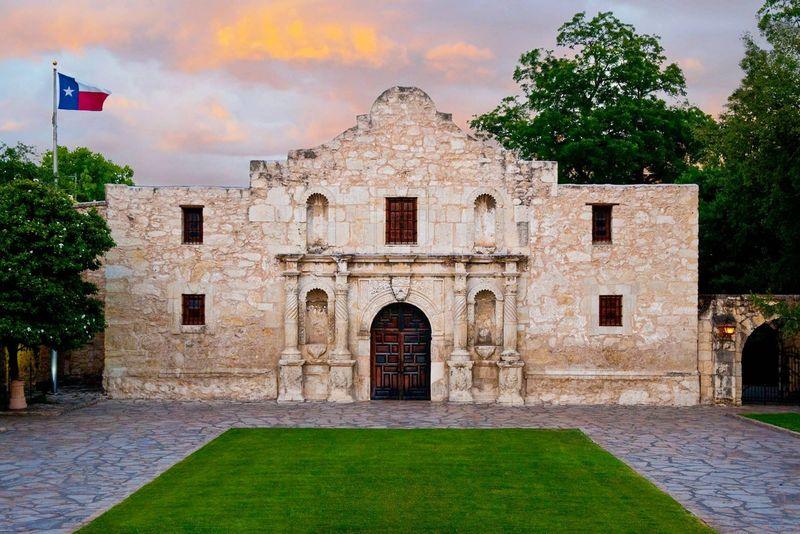
Among the numerous missions established, a few stand out for their historical significance. Mission San Antonio de Padua eventually evolved into the famed Alamo, which would later become a symbol of Texan independence. Similarly, Mission Concepción, built in 1731 and known for its stunning architecture, has garnered attention not only for its aesthetic appeal but also as a site of historical significance in the fight for Texan independence.
Mission San José y San Miguel de Aguayo, often referred to as the “Queen of the Missions,” was essential in shaping the communities that grew around it. This mission became a model for the others, showcasing successful integration of indigenous knowledge and Spanish practices. Its influence extended beyond its immediate vicinity, promoting agricultural development throughout South Texas.
The Mission Era and Its Decline
The late 18th century saw a peak in mission activity, but the following years brought challenges that would lead to their decline. Changes in administration and economic pressures, coupled with the growing independence movement among settlers, rendered the missions increasingly obsolete. By the early 19th century, many missions had fallen into disrepair, and their inhabitants dispersed as the focus shifted towards more secular forms of governance.
This decline did not come without its repercussions. The missions had served as the main channels for cultural transmission, and their reduction left a void that paved the way for the cultural assimilation of indigenous populations without the benefits previously provided by the missions. The once vibrant centers of community life gradually faded into history, but their remnants stood as testimony to a bygone era. Many of these sites are now protected as historical landmarks.
The Struggle for Independence
The struggle for Texas independence from Mexico in the 1830s marked another dramatic chapter in the state’s history. The missions’ legacy played a paradoxical role in this independence movement. While many Texians (as the Anglo settlers of Texas referred to themselves) sought to break away from Mexican rule, they also relied on the agricultural and economic networks established by the missions for support.
The Alamo, once a mission and now a symbol of sacrifice and resilience, became a focal point during the fight for independence. The infamous Battle of the Alamo in 1836, during which a handful of Texian defenders held out against a much larger Mexican force, galvanized the Texian cause. The phrase “Remember the Alamo” became a rallying cry, emblematic of a struggle for freedom and self-determination.
Legacy and Restoration Efforts
Despite their decline, the missions have left an indelible mark on Texas culture. Today, restoration initiatives have breathed new life into several of these historic sites. Sites like the San Antonio Missions National Historical Park have been designated UNESCO World Heritage Sites, recognizing their global significance and ensuring their preservation for future generations.
Various organizations are dedicated to educating the public about the missions and their role in Texan history. Through guided tours, educational programs, and community engagement, efforts are underway to revive interest in the rich narratives that these missions offer. They serve as an essential reminder of the shared history between indigenous peoples and Spanish settlers, embodying the convergence of cultures that has defined Texas.
Cultural Impact on Modern Texas
The missions’ influence is woven deeply into the cultural fabric of contemporary Texas. Their architectural styles have inspired modern buildings, and their agricultural practices continue to shape farming in the region. Festivals celebrating Texas history, such as the Fiesta San Antonio, reflect the cultural intersections that originated in the mission era, emphasizing the rich blend of Texan and Mexican heritages.
Furthermore, the missionary philosophy of community service and cooperation persists in various forms throughout Texas communities. Many local governments and organizations draw upon this spirit of unity and collaboration, promoting inclusivity and cultural understanding in an increasingly diverse state.
Educational Importance
Educational curricula in Texas schools place significant emphasis on the state’s mission history. By teaching students about the missions, educators foster a sense of pride and connection to the land. Lessons that explore the lives of both the missionaries and native peoples help students understand the dynamics that shaped the region’s development.
Field trips to historical missions are also a common component of educational programs, allowing students to engage with history in a tangible way. These experiences serve to connect the dots between the past and the present, helping young Texans appreciate their state’s complex identity.
Tourism and Preservation
Tourism centered around historic missions has grown significantly in recent years, with visitors eager to explore these sites. The San Antonio Missions, in particular, attract millions of tourists per year, contributing vastly to the local economy while promoting heritage tourism.
As communities recognize the significance of their historical sites, a renewed focus on preservation efforts emerges. Local governments, nonprofit organizations, and community members come together to raise awareness about the importance of maintaining these landmarks, ensuring they serve as educational resources for generations to come.
Embracing a Shared Heritage
The missions of Texas, born from a tumultuous history of conflict and cultural exchange, remain essential to understanding the state’s heritage. They exemplify the overlapping narratives of colonization, resistance, and resilience that define Texas’ past and present. The blend of Spanish and indigenous cultures that arose from the missions has created a unique Texan identity, fostering pride among its residents.
As conversations about cultural heritage and identity continue in modern society, the history of Texas missions serves as a mirror reflecting broader themes of inclusion, mutual respect, and collaboration. Recognizing and embracing this shared history allows Texas to walk towards a future that honors its diverse roots while celebrating the commonalities that unite its people.
Through ongoing education, tourism, and preservation, the legacy of Texas missions lives on, inviting all who tread upon that hallowed ground to remember the past while crafting a shared vision for tomorrow. The stories of these historic missions are not merely echoes of days gone by but are vital chapters in the ongoing story of a state that fiercely and proudly holds on to its history.