






Houston is preparing for a significant economic boost of an estimated $1.5 billion as it gears up to host seven matches for the FIFA World Cup 2026. Local leaders equate this event to hosting “five Super Bowls” simultaneously, underscoring its monumental impact on the region. Business owners, including Houston Dynamo icon Brian Ching, are adapting their operations by increasing staff, revising menus, and managing complex logistics such as downtown road closures to accommodate as many as 20,000 visitors each day.
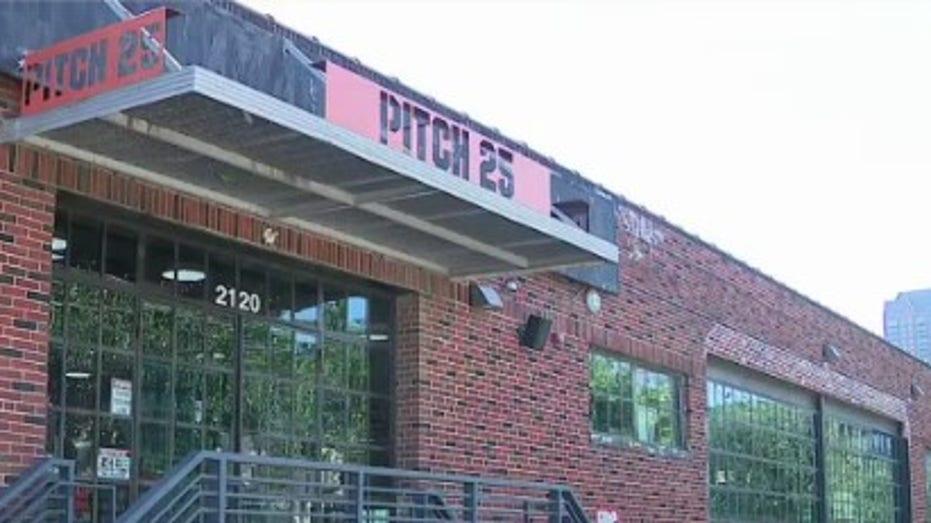
As the countdown to the World Cup enters its final two months, business leaders in Houston are shifting their focus from the excitement of soccer to the economic opportunities presented by this prestigious tournament. Bank of America recently organized a summit at Pitch 25 in East Downtown, uniting a diverse cross-section of the local economy to strategize for what experts predict will be a transformative summer for the city.
This World Cup is projected to generate a staggering $47 billion boost to the U.S. economy, with Houston’s share estimated at $1.5 billion. The influx of hundreds of thousands of international visitors represents a once-in-a-lifetime opportunity for local entrepreneurs, albeit alongside significant logistical challenges.
Insights from Industry Leaders
The summit featured a discussion with Brian Ching, a two-time MLS Cup champion and former member of the U.S. Men’s National Team during the 2006 World Cup. Ching shared his insights from experiences in Germany and Qatar, emphasizing how globally significant events draw visitors eager to enjoy local cultures and cuisines.
“Each game here in Houston is going to have the impact of a Super Bowl. Moreover, each match is likely to attract over a billion viewers worldwide,” Ching remarked. He cautioned that the anticipated surge in foot traffic will require businesses to adapt swiftly to avoid being overwhelmed.
“We expect around 15 to 20,000 people in our area throughout the World Cup tournament,” he added. “We will likely need to double our staff and adjust our menu to serve the influx of guests daily.”
Beyond Hospitality
The summit highlighted that the World Cup’s influence reaches far beyond just bars and restaurants. Bryce Lindner, a marketing executive at Bank of America, pointed out that attendees represented a variety of sectors, including oil and gas and manufacturing.
“This is an excellent opportunity to showcase our sponsorship for the World Cup,” Lindner stated. “Timing is crucial; we must ensure that the infrastructure is ready to leverage this unique chance.”
Alec Kennedy, a commercial manager at Sneter Plastics, sees the tournament as a prime networking opportunity. “With hundreds of thousands of potential customers arriving, we’re eager to host them here,” he noted. “Texas is a hub for the plastics industry, and I plan to attend as many games as possible to expand our business connections.”
Logistical Challenges
Despite the excitement surrounding the event, many business owners are apprehensive about the practical implications of operating under such intense global scrutiny. Concerns regarding security measures and road closures are foremost in the minds of those managing supply chains.
<p"Considering logistics, such as how to deliver products when streets are closed, and where employees will park, is paramount," Ching pointed out. The Houston Host Committee is set to release final maps detailing road closures and security protocols to the public next month.
Looking Ahead
The confidence in Houston’s market is evident through ongoing expansion efforts. Ching confirmed plans to open a second Pitch 25 location in Katy on June 3, just days before the first match kicks off at NRG Stadium.
For others, preparation involves ramping up inventory. Jonathan Patton, representing Woodson Whiskey and Intercept Wine, noted a surge of interest in their brands following a recent accolade at the World Spirit Competition. “We’re absolutely ready,” Patton affirmed. “I anticipate a busy month ahead, and I hope many whiskey enthusiasts visit our area!”