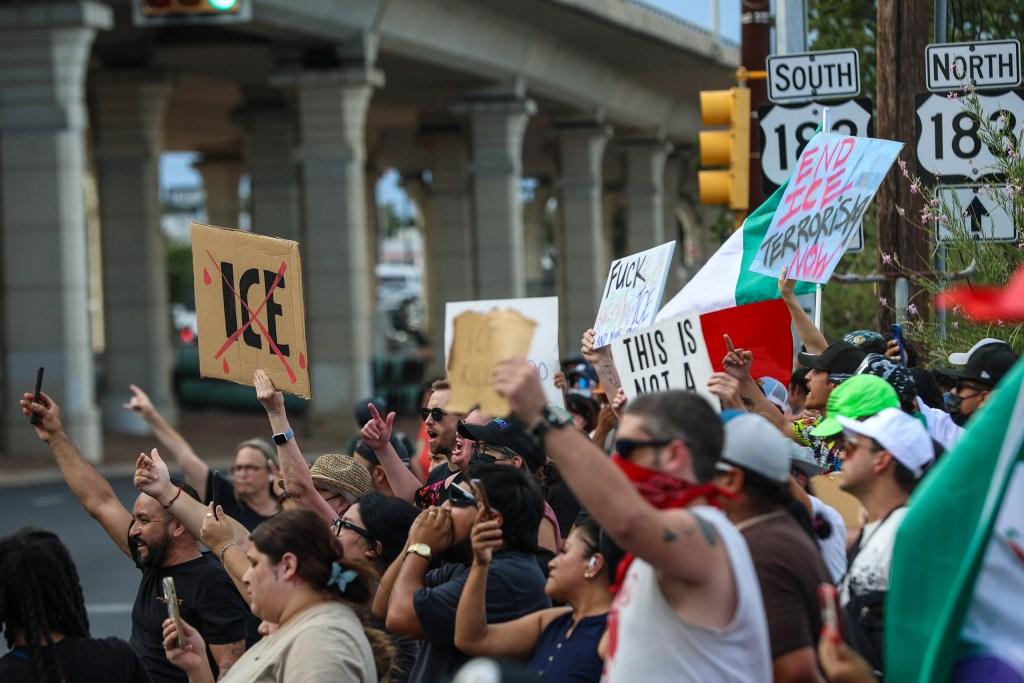





In the wake of the tragic shooting of Renee Good by a U.S. Immigration and Customs Enforcement (ICE) agent, families of individuals killed by law enforcement in Minnesota have come together to offer their support to her grieving family. This gathering took place on Monday in Minneapolis, where demonstrators, while initially peaceful, faced clashes with federal agents later in the day.
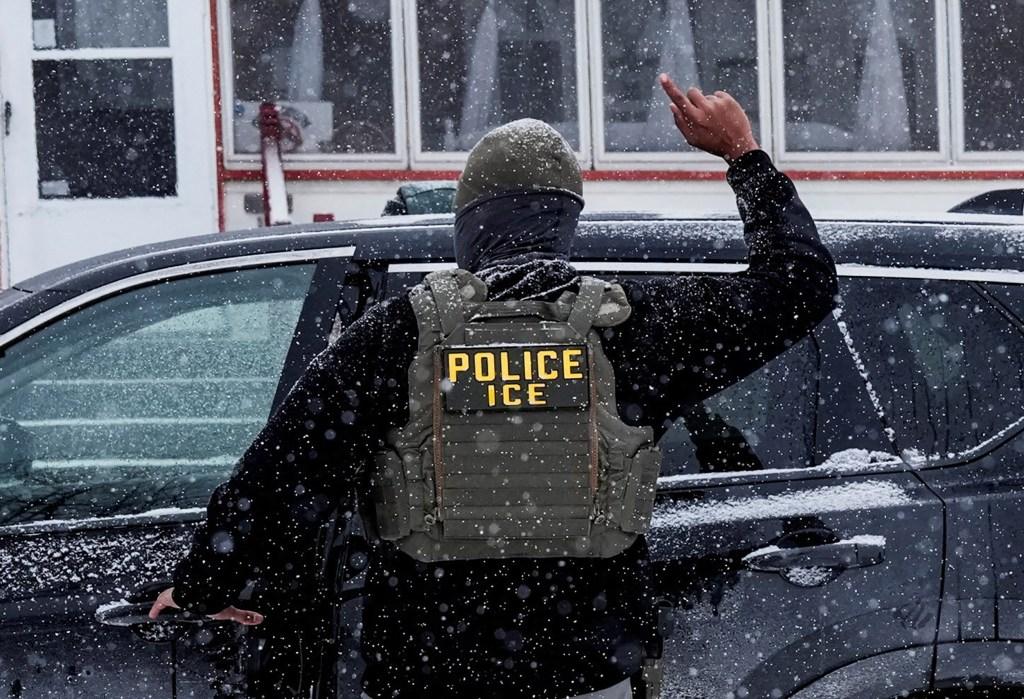
The Department of Homeland Security (DHS) has announced the deployment of hundreds more federal agents to Minneapolis, following the shooting incident. Secretary Kristi Noem revealed this plan, which would increase the number of federal officers in the Twin Cities to over 2,000—more than double the local police force. Local leaders are concerned that this heightened federal presence could exacerbate tensions and lead to further violence.
On Wednesday, the ICE agent involved shot Good multiple times while she was in her vehicle. Federal officials have portrayed her as an aggressor, claiming she posed a threat to the agent. However, local authorities and analysis of video evidence have disputed this characterization, with no credible evidence presented to suggest that Good was engaged in any terrorist activities.
Community Response and Protests
In response to Good’s death, families who have experienced similar losses gathered to stand in solidarity with her family. Toshira Garraway, who organized the press conference, expressed the collective grief and support from those who understand the hardships of losing a loved one to police violence. Several prominent figures, including relatives of George Floyd and others killed by law enforcement, spoke at the event.
Demonstrations continued at the Whipple Federal Building in Minneapolis, where protesters faced off against federal agents who used tear gas and chemicals to disperse crowds. The protests were a reaction not only to Good’s death but also to the ongoing immigration enforcement operations in the area, which have drawn significant public outcry.
As tensions rise, Minnesota’s state government, along with the cities of Minneapolis and St. Paul, have initiated legal action against the DHS in an effort to halt the influx of federal agents. The lawsuit argues that this surge undermines local governance and violates constitutional rights.
Ongoing Investigations and Community Impact
In light of the shooting, there are calls for the Minnesota Bureau of Criminal Apprehension to be reinstated in the investigation, which has been complicated by the FBI’s involvement. Local officials are committed to gathering evidence and encouraging public input regarding the incident.
The community continues to honor Good’s memory, with a memorial growing at the site of her death. Videos capturing the shooting and its aftermath have circulated widely, fueling public discourse on police conduct and immigration enforcement practices.
In schools across the Twin Cities, students have organized walkouts to protest ongoing ICE operations, reflecting widespread concern among young people about the implications of federal enforcement in their communities.
The state of Minnesota’s lawsuit against the DHS highlights the deepening divide between state and federal authorities, with local leaders advocating for the rights and safety of their communities amidst increasing federal intervention.
As the situation evolves, the community remains vigilant and engaged, ensuring that the voices of those affected by violence and systemic issues are heard and acknowledged.