






A new initiative in Austin is set to transform the city’s vibrant live music scene into a powerful fundraising platform for local nonprofits. The Let’s Fund Good festival, which kicks off this week, features a series of concerts and album parties designed to not only entertain but also to generate financial support for charitable organizations.
Running from Friday through August 30, the festival will showcase 12 events at various small and midsized venues across the city. Each event has a modest admission fee of $10, with all proceeds benefiting 24 participating nonprofit groups. The diverse lineup includes six live concerts featuring local artists and six album-themed dance parties, celebrating the works of influential acts such as The Beatles, Kendrick Lamar, Beastie Boys, and Harry Styles. Venues hosting these events include Mohawk, Hotel Vegas, Hole in the Wall, Chess Club, and 29th Street Ballroom.
This festival marks the inaugural initiative of the Interplanetary Help Desk, a newly established nonprofit in Austin that aims to innovate the way fundraising events are organized. The organization is addressing a common challenge faced by charities: the need for substantial upfront investments of time and money before any funds are generated for their causes.
Interplanetary’s innovative model separates event production costs from the funds raised. Sponsors and donors will cover the expenses associated with musicians and venue logistics, allowing the participating nonprofits to retain all ticket sales and any additional donations from attendees.
“Our aim was to create a more inclusive and approachable fundraising model,” explained founder and CEO Andy Sernovitz. “Nonprofits excel at connecting with their communities, venues are adept at hosting shows, and our role is to facilitate that collaboration.”
For the nonprofits involved, this initiative presents a viable alternative to costly galas and broad fundraising campaigns that often yield minimal results. John Riedie, president and CEO of the Austin Creative Alliance, highlighted the festival’s accessibility, stating, “Our ask for attendees is minimal: just come to a show and spend what you would typically spend.” He emphasized that this model serves as a welcoming opportunity for those looking to support local organizations.
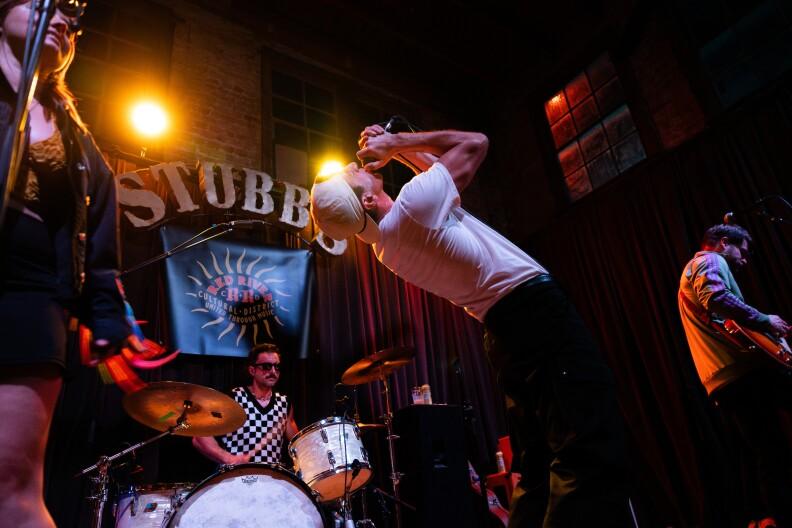
The festival’s programming reflects this low-pressure approach. It features performances from local talents like Parker Woodland, Candy Riot, and Blah Spa, alongside album parties centered around well-known artists.
Sernovitz noted that these events are designed to attract individuals who may not frequently attend Austin’s music venues or are hesitant to pay for performances by unfamiliar artists. Instead of quiet listening experiences, the album parties will feature loud music, inviting attendees to dance and mingle.
“Many people find the Austin live music scene intimidating,” Sernovitz remarked, adding that familiar music can serve as a welcoming entry point for newcomers, encouraging them to explore independent venues and the broader nightlife.
Concert promoter Graham Williams, founder of Resound Presents, believes this new approach could bridge gaps within the city’s civic and cultural communities. He pointed out that while nonprofit leaders are skilled at reaching out to donors, they may lack experience in concert production, and venue operators may not be familiar with fundraising.
“Bringing these groups together is an excellent idea,” he stated. “Raising awareness for the causes of these nonprofits is nearly as important as fundraising itself. Introducing artists to new audiences and inviting people from diverse backgrounds into unfamiliar venues fosters connection among different communities.”
Additionally, the festival is structured to benefit both the venues and the musicians. Artists are compensated for their performances rather than being asked to volunteer their time, and many events are scheduled from 6 to 9 p.m., allowing venues to host additional shows later in the evening. Sernovitz added that these fundraisers could attract older audiences and those who might not typically go out.
While Williams remains cautiously optimistic, he acknowledges that Interplanetary’s initial goal will be to build trust among artists, venues, and nonprofit partners. The Let’s Fund Good festival follows 11 smaller pilot events conducted by Interplanetary since its inception late last year. If the summer series proves successful, the organization plans to host two or three similar series annually, alongside other fundraising events for local nonprofits.
A key challenge will be ensuring a steady influx of sponsors and donors to cover operational costs while allowing all ticket revenue to support the nonprofits. Sernovitz expressed a desire to demonstrate that this model can effectively fill venues, fairly compensate artists, and generate funds for local causes. “If we can create an environment where everyone enjoys themselves while helping others,” he stated, “it becomes a powerful community-building opportunity and a chance to address important needs together.”