







The Allure of San Antonio’s Historic Missions
San Antonio, Texas, is a vibrant city known for its rich history, diverse culture, and a unique blend of modernity and tradition. At the heart of this picturesque city lies a collection of historic missions that not only shaped the region’s landscape but also tell the compelling story of the area’s colonial past. Recognized as a UNESCO World Heritage site, these missions offer a glimpse into the architectural and cultural legacies left by Spanish settlers and Indigenous peoples.
Visitors to San Antonio are encouraged to embark on a journey through time, exploring these historic landmarks that are more than just relics; they are a testament to the resilience and fusion of cultures over the centuries. This article will delve into the five historic missions that form the San Antonio Missions National Historical Park, highlighting their significance, architectural marvels, and visitor experiences that cannot be missed.
Mission San Antonio de Padua
Established in 1718, Mission San Antonio de Padua is the oldest of the missions and serves as the perfect starting point for your exploration. Originally founded in what is now California, the mission was moved to Texas in 1731 as a response to the demand for a stronger foothold in the region against British, French, and even Russian advances. The mission was dedicated to St. Anthony of Padua, the patron saint of lost things, reflecting the cultural and religious influences of the time.
The architecture of Mission San Antonio de Padua is a stunning example of Spanish Colonial design. The original structures feature adobe walls, intricately designed wooden doors, and rustic roof tiles that speak to the craftsmanship of the era. The mission’s church, with its charming exterior and historic altar, invites contemplation and reflection. Visitors can admire the beautifully preserved altarpiece, which is adorned with intricate carvings, showcasing the artistic flair of the mission’s builders.
Notably, the mission played a crucial role in the cultural exchange between Spanish settlers and Native American tribes. It served not only as a religious center but as an agricultural hub where various farming techniques were shared. Today, guided tours offer insights into traditional practices, enabling visitors to understand the significance of the land and its natural resources.
Experiencing Mission San Antonio de Padua
As you stroll through the peaceful grounds, you’ll find the remnants of ancient gardens and farming plots where crops were cultivated centuries ago. A visit offers numerous engaging experiences:
- Guided Interpretive Tours: Knowledgeable guides share stories of the mission’s history and its impact on the local ecosystem.
- Art and Craft Workshops: Hands-on experiences allow visitors to learn about traditional arts such as pottery and weaving.
- Seasonal Festivals: Attend various cultural celebrations throughout the year that honor the mission’s heritage and community spirit.
Mission San José
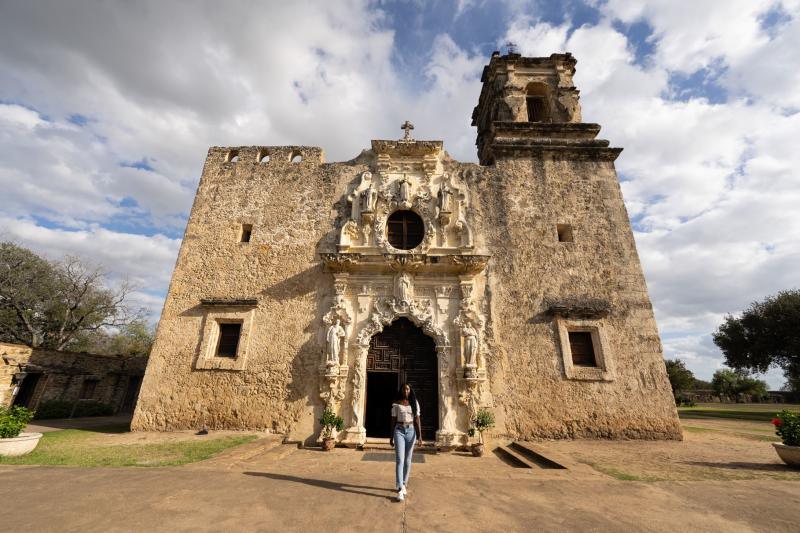
Perhaps the most iconic of the missions, Mission San José, was founded in 1720 and is celebrated for its impressive architecture and grand scale. Often referred to as the “Queen of the Missions,” San José was once a thriving agricultural community, complete with an elaborate irrigation system. The mission’s church, constructed in the 18th century, showcases exquisite stone carvings and intricate details that exemplify the artistry of the period.
The mission’s layout is designed to reflect both its defensive capabilities and its commitment to community life. The surrounding walls, robust and imposing, once served to protect against potential threats. Visitors can explore the compound, which includes living quarters, workshops, and a granary, all of which played integral roles in the mission’s daily operations and sustainability.
The centerpiece of Mission San José is the beautiful altar, which has been meticulously restored and showcases both religious iconography and cultural symbols that resonate with both local and global communities. The space reverberates with history, offering a contemplative atmosphere where visitors can reflect on the intertwining legacies of faith, culture, and resilience.
What to Discover at Mission San José
Mission San José not only stands as a reminder of the past but is also a hub for cultural discovery. Some of the must-see features include:
- The Plaza: Gather at the beautifully landscaped center courtyard, which was once the heart of community life.
- Art Exhibitions: The mission often hosts local artists who display works inspired by the rich history and culture of San Antonio.
- Pilgrimages and Blessings: Participate in traditional ceremonies that revive the mission’s spiritual practices and foster community connections.
Mission Concepción
Mission Concepción, established in 1731, stands out as one of the best-preserved examples of Spanish colonial architecture in the United States. Known for its striking facade and vibrant frescoes that adorn the interior, it offers visitors a unique glimpse into the artistic expression of the time. The mission was founded to convert the local Coahuiltecan tribes to Christianity, and much like its counterparts, it became an essential agricultural community.
The church, featuring robust stone walls and a distinctive domed chapel, is a masterpiece of engineering that has survived numerous challenges throughout its history, including the tumult of the Texas Revolution. The preservation efforts have been commendable, allowing visitors to witness the mission as it once was—alive with the chants of early missionaries and the hustle of communal life.
One of the most captivating elements of Mission Concepción is the vibrant mural paintings that depict biblical scenes and symbols from nature, infused with local artistic influences. These frescoes offer a rare opportunity to appreciate the blend of European and Indigenous artistic techniques. Guided tours present fascinating narratives about the artists and their motivations, providing deeper insight into the cultural fusions that shaped this mission.
Must-Experience Activities at Mission Concepción
Visitors to Mission Concepción can immerse themselves in a variety of activities designed to educate and entertain:
- Historical Reenactments: Experience live performances that bring historical events to life, showcasing the mission’s role during colonial times.
- Fresco Restoration Workshops: Learn about conservation techniques used to maintain the integrity of the mission’s artistic features.
- Scenic Picnics: Take advantage of the serene grounds for a picnic, enjoying the tranquil atmosphere that envelops the mission.
Mission Espada
Founded in 1731, Mission Espada is often regarded as the most picturesque of the missions, boasting a tranquil setting shielded by the lush banks of the San Antonio River. Its charm lies in the simplicity of its architecture, characterized by rustic stonework that reveals a deep connection with the surrounding landscape. This mission was unique in being the site of a successful agricultural and ranching community, becoming self-sufficient over time.
The chapel at Mission Espada is distinctive for its serene atmosphere, with its charming altar that reflects the Spanish Baroque style and the local artistry of the period. The mission actively engaged with the Native American tribes, teaching them European farming techniques that benefited the entire community. Today, it stands as a testament to cooperation and cultural exchange.
Additionally, Mission Espada is home to the remnants of the original aqueduct, an engineering feat that demonstrates the advanced irrigation methods employed by the mission residents. Visitors can stroll along the aqueduct trail, experiencing the harmony of nature and human ingenuity. This journey through the historical landscape allows for a moment of reflection on the significance of water management in the development of arid regions.
Exploratory Offerings at Mission Espada
Visitors at Mission Espada can enjoy a range of activities that celebrate this mission’s unique history:
- Guided Nature Walks: Explore the trails surrounding the mission, learning about the local flora and fauna that thrive in the area.
- Farm-to-Table Events: Participate in culinary experiences that highlight traditional recipes, paired with fresh produce from local sources.
- Cultural Heritage Gatherings: Attend gatherings that showcase Indigenous music, dance, and storytelling, reinforcing community ties and mutual respect.
Mission Our Lady of Guadalupe
The last mission on the official trail is Mission Our Lady of Guadalupe, founded in the early 1800s. This mission is especially notable for its role in the religious and cultural history of the area, as it served as both a place of worship and community gathering for local families. The mission’s church features an array of decorative elements, representing both the local Spanish culture and the influence of the New World.
Despite facing hardships, including declining populations and economic struggles, Mission Our Lady of Guadalupe remains a vital part of the community. It has been revitalized through various conservation efforts that have seen it flourish as a center for cultural education, hosting events and programs that celebrate its rich history.
Visitors can appreciate the beautiful architecture that portrays the mission’s legacy, along with the story of its resilience and enduring spirit. The mission actively engages the public through educational programs and community-oriented events, emphasizing the importance of preserving history for future generations.
Community-Focused Experiences at Mission Our Lady of Guadalupe
At Mission Our Lady of Guadalupe, guests can participate in various enriching experiences:
- Community Workshops: Engage with local artisans who share their crafts, offering hands-on experiences that allow you to create your own keepsakes.
- Educational Lectures: Attend informative presentations that delve into the historical significance of the mission and its impact on local culture.
- Religious Celebrations: Participate in traditional ceremonies that highlight the mission’s role in fostering faith and community unity.
Planning Your Visit
For those eager to explore the historic missions of San Antonio, careful planning can significantly enhance the experience. The missions are open year-round and offer free admission, making them accessible to a wide range of visitors. To best enjoy the diverse offerings, consider the following tips:
- Timing Your Visit: Early mornings or late afternoons are ideal to avoid crowds and fully appreciate the serene environment.
- Guided Tours: Opt for guided tours that provide in-depth narratives and unique insights into the missions’ histories.
- Stay Hydrated: Texas can be hot, so carry water and wear appropriate attire for outdoor exploration.
- Photography Etiquette: Capture memories, but be mindful of restrictions in sacred spaces to respect the ongoing spiritual significance.
Incorporating these tips will ensure your experience at the San Antonio missions is not only memorable but also educational, connecting you with the rich tapestry of history that this remarkable area presents.