








Discovering the Rich Tapestry of San Antonio’s Historic Sites
San Antonio, Texas, is a city steeped in rich history and vibrant culture, making it a treasure trove for history buff and casual visitor alike. From its renowned missions that echo tales of colonial colonization to charming neighborhoods that showcase the city’s unique blend of traditions, San Antonio’s historic sites stand as pillars of its diverse heritage. Each landmark whispers stories of the past, allowing visitors to walk in the footsteps of those who shaped the American Southwest.
Not only is San Antonio a cultural hub, but it also serves as a living museum that encapsulates more than 300 years of stories, traditions, and pivotal moments in American history. As travelers explore, they will discover a series of landmarks that represent the blending of Spanish, Mexican, and American influences, creating the unique San Antonio identity we know today.
The Alamo: An Icon of Resistance and Identity
The Alamo is arguably San Antonio’s most prominent historic site. Known originally as Mission San Antonio de Padua, the Alamo transformed into a fort and played a crucial role in the Texas Revolution. Built in the early 18th century, it originally served as a mission aimed at spreading Christianity to the Indigenous peoples. In a key moment of Texan history, the Alamo was the site of the 1836 battle for independence from Mexico, during which a small group of Texan defenders, fighting against overwhelming odds, became symbols of heroism and sacrifice.
The site itself has been preserved meticulously, allowing visitors to experience the atmosphere that surrounded the famous siege. The chapel, which is often photographed and recognized worldwide, stands as a poignant reminder of the sacrifices made by the defenders who fought for freedom. Interestingly, the Alamo is also the final resting place for many of these soldiers, who are honored annually, marking the enduring legacy of their bravery.
Every year, millions of visitors flock to the Alamo to pay tribute and learn about this pivotal moment in Texas history. The site offers guided tours, interactive exhibits, and extensive collections of artifacts that provide deeper insights into the lives of those who once stood their ground within its walls. Notably, the annual reenactments of the Battle of the Alamo help bring this historic event to life, offering a visceral understanding of the emotional stakes involved.
San Antonio Missions: UNESCO World Heritage Site
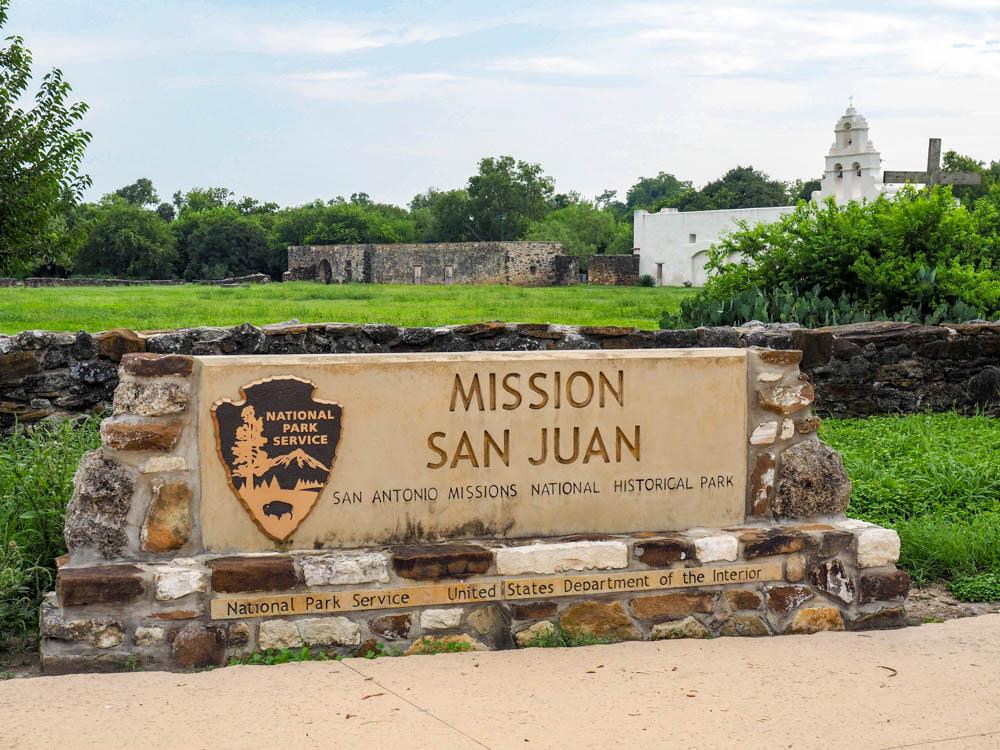
The San Antonio Missions comprise a group of five Spanish colonial missions, including Mission Concepción, Mission San José, Mission San Juan, Mission Espada, and, of course, the Alamo. Recognized as a UNESCO World Heritage Site in 2015, this remarkable collection reflects the colonial history of Texas and offers insight into the European settlement of the region. Each mission has its unique architecture and purpose, highlighting the multifaceted history of mission work in Texas.
Mission Concepción, the oldest unrestored stone church in the United States, features stunning frescoes and beautiful sandstone carvings. Its peaceful grounds are adorned with lush greenery, providing a serene contrast to the heated history that unfolded there. On the other hand, Mission San José is known for its grand size and spectacular attention to detail, featuring intricate carvings that depict religious themes and local flora, inviting visitors to explore the depths of its artistry.
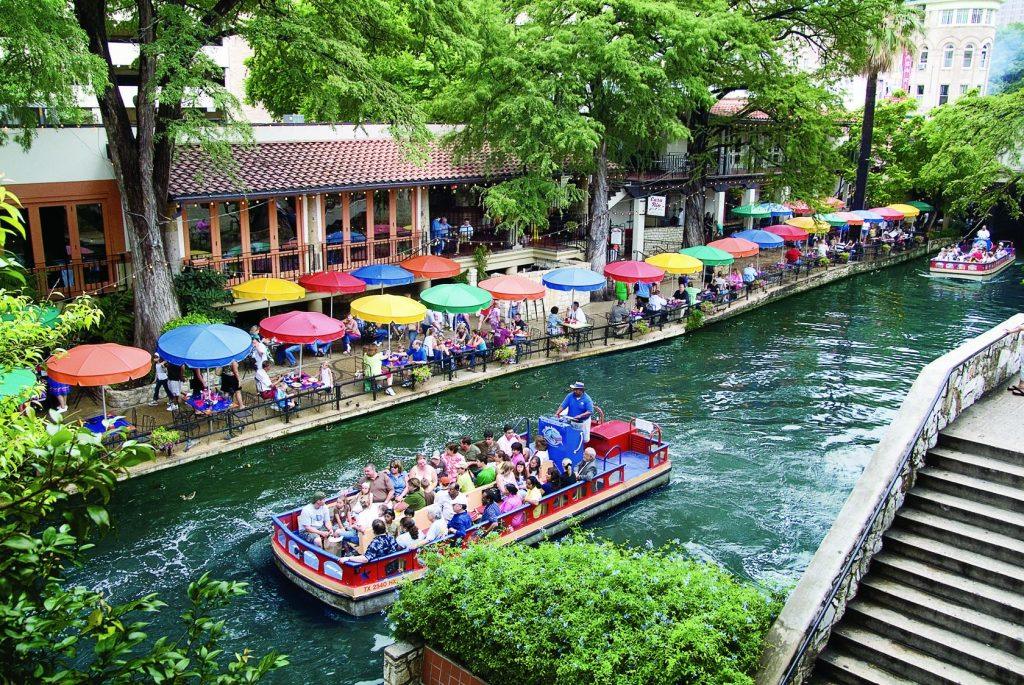
Each mission is connected through the *Mission Reach* section of the River Walk, encouraging visitors to stroll or bike between sites while enjoying the beautiful scenery along the San Antonio River. This initiative not only preserves the historical significance of the missions but also promotes community engagement and appreciation for heritage. Regular festivals, living history events, and educational programs help keep the spirit of the missions alive and provide an engaging way for visitors to connect with their history.
Historic Market Square: A Cultural Melting Pot
As the largest Mexican market in the United States, Historic Market Square is a must-visit for anyone wanting to explore San Antonio’s vibrant cultural identity. This lively area of the city, known as *El Mercado*, showcases an array of local artisans, authentic Mexican cuisine, and traditional music that echo the city’s deep Mexican roots. The market offers a plethora of shops and stalls filled with handcrafted goods, including pottery, textiles, leather items, and traditional decorations that celebrate the Hispanic heritage of the region.
Visitors can savor delicious food from various vendors and restaurants specializing in traditional Mexican dishes, including tacos, enchiladas, and **fajitas**. The bright decorations and festive atmosphere transport visitors to another time and place, allowing a full immersion in the local culture. Throughout the year, Market Square hosts multiple events, such as *Fiesta* and *Dia de los Muertos*, which celebrate Mexican culture and traditions, inviting both local residents and tourists to partake in the festivities.
As a historical site, Market Square represents the spirit of San Antonio’s ongoing commitment to preserving its Mexican heritage. Its establishment dates back to the early 1800s and has evolved into a gathering place for community celebrations and commerce. The vibrant colors, aromas, and sounds make it not just a shopping destination but a cultural landmark that embodies San Antonio’s diverse identity.
King William Historic District: A Walk Through Time
The King William Historic District stands as a testament to the city’s wealth and architectural diversity during the 19th century. Established as the first residential neighborhood in San Antonio, it features stunning Victorian-style homes and mansions that reflect the prosperity of German immigrants who settled in the region. The area is recognized for its commitment to historic preservation, ensuring that these architectural gems remain intact for future generations to admire.
As visitors stroll through the tree-lined streets, they can appreciate the fine detail of **wrought iron fences** and colorful facades that beckon photography enthusiasts. Many of these homes offer tours that provide insights into their histories and the families that once called King William home. Notably, the *Steves Homestead*, a beautifully restored mansion, offers visitors a glimpse into the life of the affluent families who shaped San Antonio’s development.
The district isn’t just a visual feast; it also hosts events, including the annual *King William Fair*, which celebrates local artists, musicians, and cultural traditions. This fair draws visitors from all around, further enriching the neighborhood’s vibrant, inclusive spirit. While wandering through this charming district, many find it easy to get lost in the stories of the past, connecting with San Antonio’s roots in a distinctly meaningful way.
La Villita Historic Arts Village: A Cultural Revival
La Villita Historic Arts Village represents yet another facet of San Antonio’s rich cultural tapestry. Once a traditional Mexican village, this area has transformed into a cultural center teeming with artisan shops, galleries, and restaurants. Its cobblestone streets and quaint architecture provide an enchanting backdrop for visitors exploring local art and crafts. The vibrant atmosphere reflects both historical and modern influences, creating a lively and unique environment.
In La Villita, artisans showcase their works, from pottery and textiles to paintings and jewelry, allowing visitors to purchase unique handcrafted souvenirs. This initiative supports local artists while preserving the neighborhood’s historic character, ensuring that it remains a hub for creativity and heritage preservation. Various events throughout the year, such as *Fiesta* and art exhibitions, enrich the community, bringing people together in celebration of their cultural roots.
The historic site is significant not only for its artistic offerings but also for its vibrant community life. With a well-attended weekend market, La Villita fosters a sense of togetherness that encourages interactions among locals and visitors alike. Whether sipping coffee at a quaint café or enjoying a cultural performance, one can grasp the essence of San Antonio’s enduring spirit through the engaged and lively atmosphere that permeates La Villita.
Spanish Governor’s Palace: A Glimpse Into Colonial Power
The Spanish Governor’s Palace, regarded as one of the oldest surviving buildings in San Antonio, offers an intimate look into the city’s colonial past. Dating back to the early 18th century, it served as the residence for the Spanish governor during Texas’s colonial period. Today, it stands as a museum and is a designated Historic Landmark, inviting visitors to explore its rich architecture and engaging history.
As one approaches the palace, the stunning Spanish Colonial architecture captures the essence of early Texas settlements. The ornate entrance offers a glimpse into its grandeur, while the interior features beautiful courtyards, original art, and furnishings from the 1700s that convey the life of the era. Through guided tours, visitors learn about the importance of the governor’s role in local governance and social dynamics in colonial Texas.
Beyond its architectural beauty, the Spanish Governor’s Palace serves as an educational venue, showcasing exhibits dedicated to the history of the region. Oftentimes, professional reenactors share the stories of historical figures who once graced its halls, bringing the past to life for visitors of all ages. It provides an enriching experience that reinforces the significance of historical preservation for future generations.
Cultural Festivals: Celebrating the Heart of San Antonio
Throughout the year, San Antonio hosts a myriad of cultural festivals that reflect its diverse heritage and vibrant community spirit. Key among these is the world-famous *Fiesta San Antonio*, a vibrant celebration held every April that draws in millions of attendees. With a history dating back to 1891, the festival honors the memory of the heroes of the Alamo and features parades, food, music, and dance, offering an immersive experience that showcases the city’s cultural pride.
Other significant festivals include *Dia de los Muertos*, where the city pays homage to its deceased loved ones through altars adorned with photographs, flowers, and foods. This celebration, rich in tradition, offers a glimpse into the customs and beliefs that have woven themselves into the fabric of San Antonio’s identity. The annual Battle of Flowers Parade, a major event during Fiesta, celebrates the city’s cultural roots with colorful floats decorated with flowers and combined with lively music and dance, echoing the spirit of community and celebration.
These festivals serve as not only a source of entertainment but also as a means of education, helping to foster understanding of San Antonio’s multicultural heritage. In their combined celebration of past and present, these events invite all residents and visitors to participate in the ongoing narrative of the city, building community connections and honoring its diverse roots.
Exploring San Antonio: A Journey Through History
San Antonio’s historic sites and landmarks offer immersive experiences that allow visitors to connect with the city’s rich tapestry of history and culture. From the famed Alamo to the picturesque streets of King William and the lively atmosphere of Market Square, there is a profound depth to each visit that resonates long after one leaves. Whether a local or a traveler, exploring these historic landmarks brings an understanding of the defining moments that shaped not just San Antonio, but the broader narrative of America’s Southwest.
As preservation efforts continue across the city to maintain and promote these areas, San Antonio stands as a living testament to its storied past. With ongoing events and initiatives aimed at preserving heritage, the city invites individuals from all walks of life to delve into its rich history, promising new discoveries and insights with each visit. Whether you stroll through the vibrant Market Square, ponder the sacrifices made at the Alamo, or forge lasting memories in the King William Historic District, the tales of resilience, cultural exchange, and artistic expression await at every corner in San Antonio.