







Federal authorities have confirmed a total of ten cases of New World screwworm in Texas, prompting the Texas Animal Health Commission to establish five quarantine zones aimed at curbing the spread of this destructive parasite.
The designated infested areas encompass several counties, including Coke, Edwards, Gillespie, Kerr, Kimble, La Salle, Sutton, Tom Green, Uvalde, Val Verde, Webb, and Zavala. A strict quarantine is enforced in these regions, preventing the movement of warm-blooded animals out of the affected zones without proper authorization.
The situation escalated after the discovery of the screwworm in Tom Green County, which led officials to create a new quarantine zone following confirmation of an infestation in a goat from Edwards County.
Since June 3, the U.S. Department of Agriculture has reported ten cases of New World screwworm in Texas, with infestations found in cattle and goats across Edwards, Tom Green, Zavala, Gillespie, and La Salle counties. An initial report of a case involving a dog in Andrews County was later reclassified after it was determined that the animal resided in Lea County, New Mexico, making it the first confirmed New Mexico case.
The veterinarian who submitted the dog’s samples operates out of Texas, and early reports indicated that the dog had recently traveled to Mexico.
The Texas Parks and Wildlife Department is committed to providing updates on the situation as new cases arise. A dedicated public information page has been established, with daily reports to keep the public informed about ongoing developments.
Quarantine Zones in Texas
As of June 13, 2026, the Texas Animal Health Commission has officially identified five regions as infested zones. These areas include Coke, Edwards, Gillespie, Kerr, Kimble, La Salle, Sutton, Tom Green, Uvalde, Val Verde, Webb, and Zavala counties. A quarantine is implemented, restricting the movement of warm-blooded animals from these areas without proper authorization.
Understanding New World Screwworm
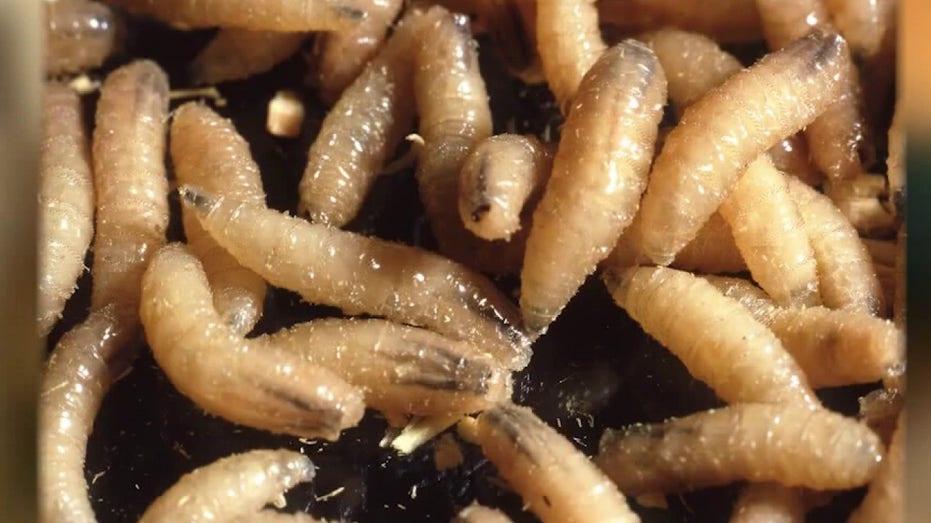
The New World screwworm is regarded as one of the most destructive pests affecting livestock and wildlife throughout history. This insect, native to the Americas, lays its eggs in the open wounds of animals, and its larvae act as parasites. Unlike typical fly larvae, screwworm maggots burrow into and consume the living flesh of warm-blooded animals, resulting in severe injuries, significant economic losses, and potential fatalities if left untreated. Although rare, they also pose a risk to humans.
Emergency Measures and Human Risk
In response to the infestation, the U.S. Food and Drug Administration has authorized emergency use of a medication to treat New World screwworm cases in dogs and cats. Authorities are urging livestock owners and veterinarians to remain vigilant and report any suspected infestations to the appropriate agencies. The Texas Animal Health Commission is tasked with livestock-related cases, while human infestation reports fall under the jurisdiction of the Texas Department of State Health Services.
Historically, the screwworm was largely eradicated in Texas and the broader United States during the 1960s. However, its recent resurgence is linked to its northward movement from Panama, with a known presence just over 300 miles south of the Texas-Mexico border.
To combat this pest, federal officials are rapidly deploying billions of sterile flies raised in laboratories. Ground release chambers are being utilized to supplement the four million sterile flies already being released aerially each week. This strategy aims to diminish the population by ensuring that when wild flies mate with sterile ones, no offspring are produced.
While the risk to the public remains low, individuals who visit areas where the New World screwworm is present, such as Mexico, Central America, or parts of South America and the Caribbean, may be at risk of infestation. Those who sleep outdoors during the day, work primarily outdoors, handle animals, or have open wounds may be particularly vulnerable.
The Department of State Health Services recommends several precautionary measures to prevent infestation, such as keeping wounds clean and covered, sleeping indoors or in screened shelters, wearing long-sleeved clothing, using insect repellent, and treating clothing with permethrin. Individuals who suspect exposure to C. hominivorax or believe they may have an infestation are encouraged to contact their healthcare provider immediately.