








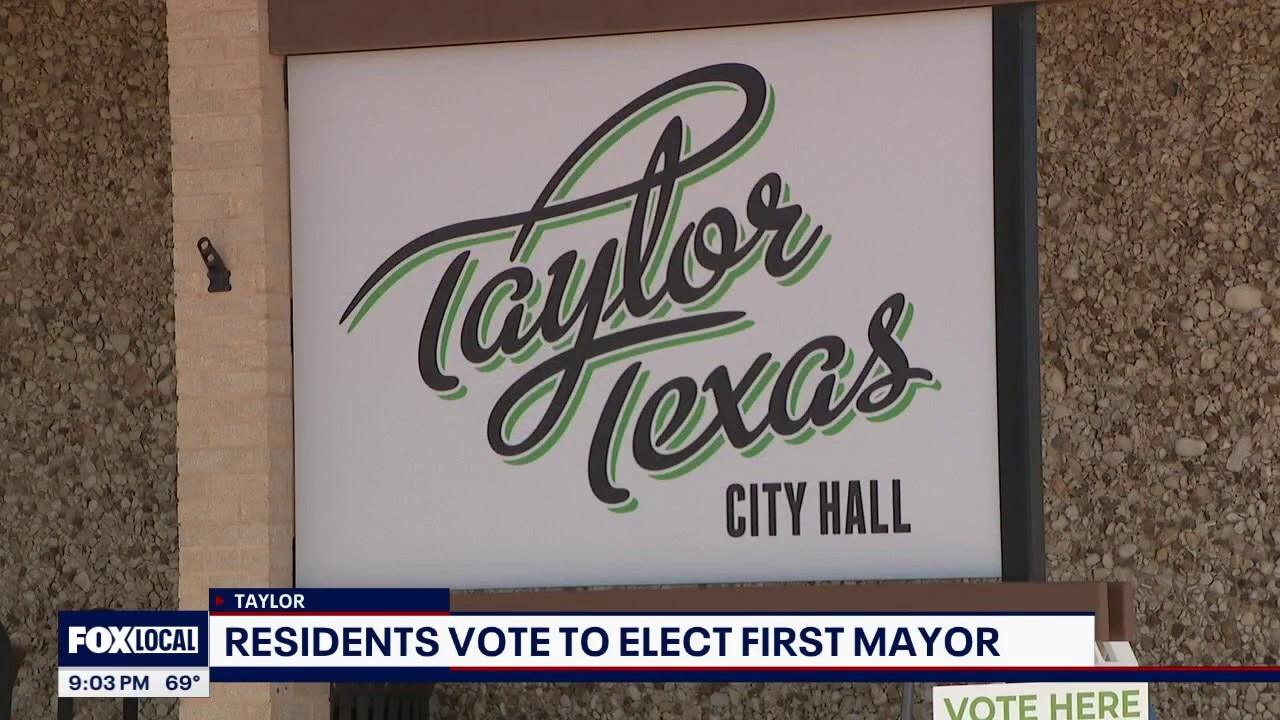
Voters in Taylor, Texas, made history on Saturday by electing their first-ever mayor, marking a significant shift in the city’s governance. This change comes following a charter amendment approved in 2024, which aimed to enhance accountability and transparency amidst the rapid industrial growth spurred by tech companies like Samsung.
Jim Buzan emerged as a frontrunner with approximately 74% of the vote as of Saturday night, positioning him to lead the city through its ongoing transformation and the challenges posed by burgeoning tech developments.
The election is a pivotal moment for Taylor, as residents were able to directly vote for their mayor for the first time. Previously, the mayoral role was filled by a city council member appointed for a one-year term. The recent charter amendment replaced the at-large council member position with a mayoral role, enabling Taylor residents to choose their leader directly.
“Being involved in such an important event for our community is truly special,” expressed Joe Gonzales, a local resident, while casting his vote outside city hall.
Dwayne Ariola, the outgoing mayor and a council member since 2017, emphasized the importance of this shift. “People want to be heard, and I’m fully supportive of this change,” he stated. Ariola noted that the demand for direct access to the mayor has increased significantly as the city continues to grow.
Ariola highlighted the influx of tech companies, which have been instrumental in Taylor’s expansion. “I’m currently working with Samsung, Soulbrain, iMarket, and several data centers,” he said, underscoring the significance of these developments for the community.
The completion of Samsung’s $17 billion semiconductor plant in South Taylor is anticipated later this year. Since breaking ground in 2022, Samsung has contributed approximately $3 million to the city and the local school district.
In a move to accommodate ongoing growth, the Taylor City Council recently approved the annexation and zoning of a 220-acre data center adjacent to the semiconductor plant. Additionally, plans for another data center valued at $1 billion were greenlit last summer. The city has mandated that future data centers employ a closed-loop cooling system to conserve water, projecting that these facilities will generate around $175 million in revenue over the next decade for local infrastructure and education.
Local resident Scott Gibbs, part of a community group advocating for responsible development, expressed concerns about potential impacts from these data centers. “We want zoning regulations that address the possible effects on our water, electricity, and noise levels,” he stated.
While some residents support the growth of data centers, they also expect the new mayor to ensure that developers contribute to the community. Gonzales expressed a desire for these companies to engage in community beautification and infrastructure improvements.
Ariola cautioned that the incoming mayor will face significant challenges in managing the city’s rapid growth. “Future mayors will need to invest more time as they engage with county officials and developers,” he remarked.
Amidst these changes, preserving the essence of Taylor remains a priority for many voters. “My family chose to be part of this growing community while maintaining its history,” Gonzales added.
As the night progressed, the latest results indicated Jim Buzan leading with 74% of the votes, followed by Taylor Stubbs with 20%, and Sandra Wolff with around 4%.