



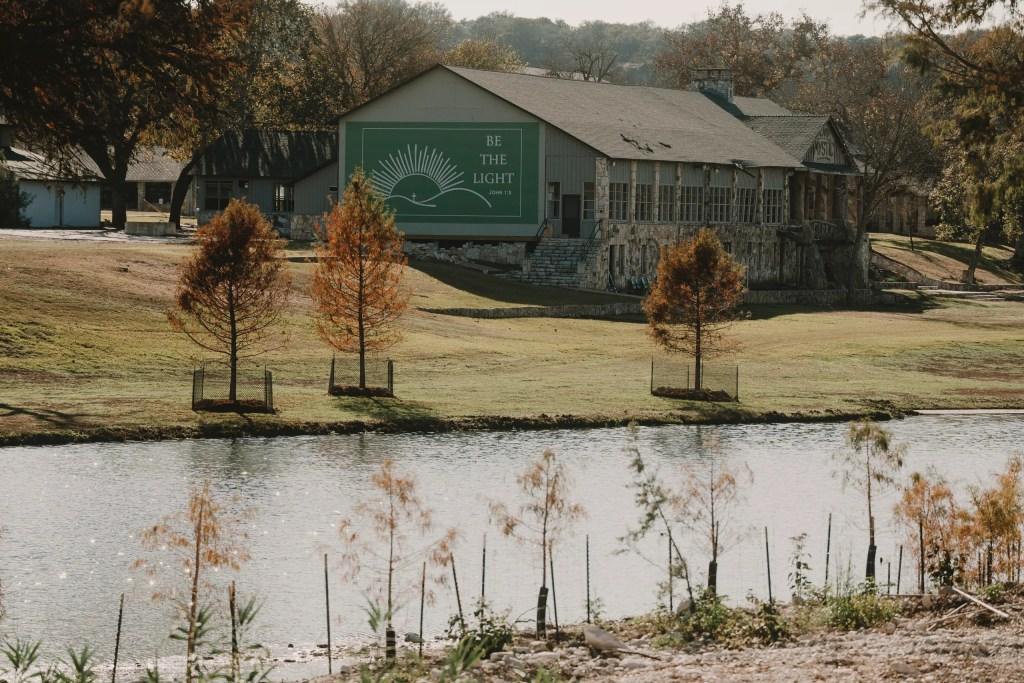
Camp Mystic has been notified by a state agency that its emergency preparedness plan does not fully comply with newly established regulations for youth camps. In a letter addressed to the camp’s director, the Texas Department of State Health Services (DSHS) granted the camp a 45-day period to rectify deficiencies in its emergency plan to align with state licensing standards.
The DSHS’s review of Camp Mystic’s plan, submitted alongside its license renewal application, identified shortcomings in 22 distinct categories. The agency has outlined specific areas for improvement, including the need for a detailed mapping of cabin locations in relation to potential flood risks, a strategy for assisting campers with mobility or visual impairments during evacuations, and a method for distributing the emergency plan to parents and staff.
In response, Camp Mystic stated that it is diligently reviewing the DSHS notice and is committed to collaborating with the agency to address the highlighted issues. “Our priority remains the safety and well-being of our campers,” the camp emphasized in its statement.
The historic girls’ camp is preparing to reopen a section of its facilities this summer, a move that has garnered critical attention following a tragic incident last summer when 25 campers, two counselors, and the camp director lost their lives in a flood during the July 4 weekend.
In the aftermath of this tragedy, parents of the victims advocated for Texas legislators to implement stricter regulations aimed at enhancing the safety of youth camps, which included the establishment of more comprehensive emergency response plans. Additionally, some parents have initiated legal action against state health officials, claiming that the agency failed to comply with state law by issuing a license to the camp without confirming the existence of an adequate evacuation plan.
As political pressure escalates, Lt. Gov. Dan Patrick has consistently urged the DSHS to reject the camp’s license renewal application. Under current state law, camps have the right to seek judicial review if their licensing requests are denied.
This year, DSHS has informed numerous youth camps that their emergency plans are inadequate. Lara Anton, a spokesperson for the agency, noted that it is the responsibility of DSHS to ensure that these plans adhere to legal requirements.
In its assessment of Camp Mystic’s emergency plan, the agency also requested the establishment of clearly defined staff roles, including responsibilities for communication with emergency services and families during crises, maintenance of an emergency warning system, and training campers on safety protocols.