







Governor Greg Abbott has announced an expansion of the statewide disaster declaration in Texas due to the emergence of the New World screwworm. This decision comes as officials aim to mobilize all available state resources to combat the crisis.
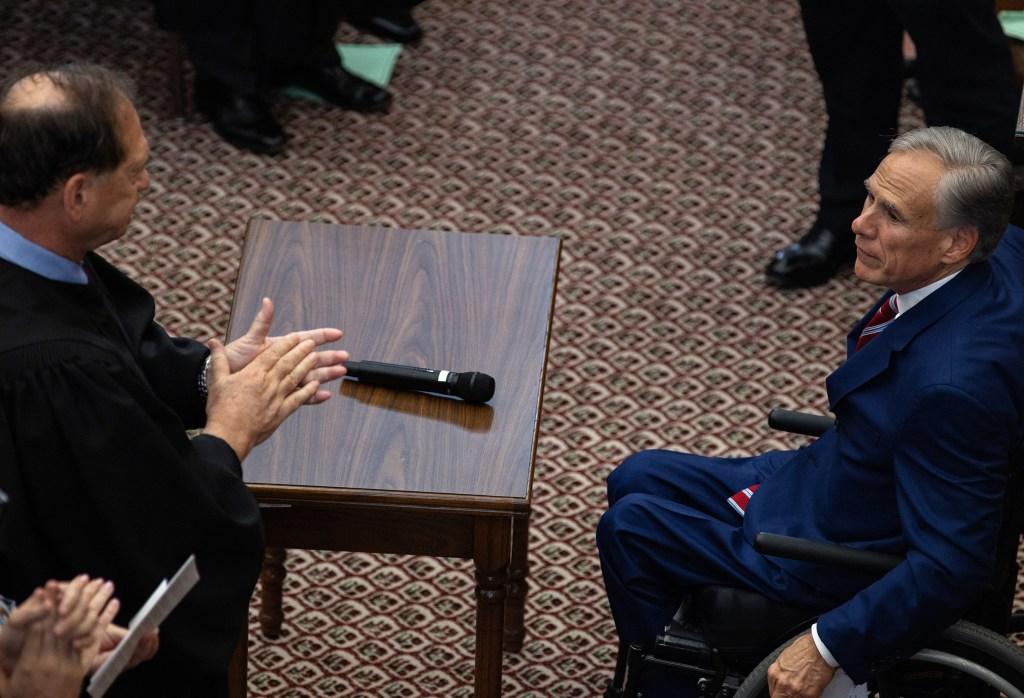
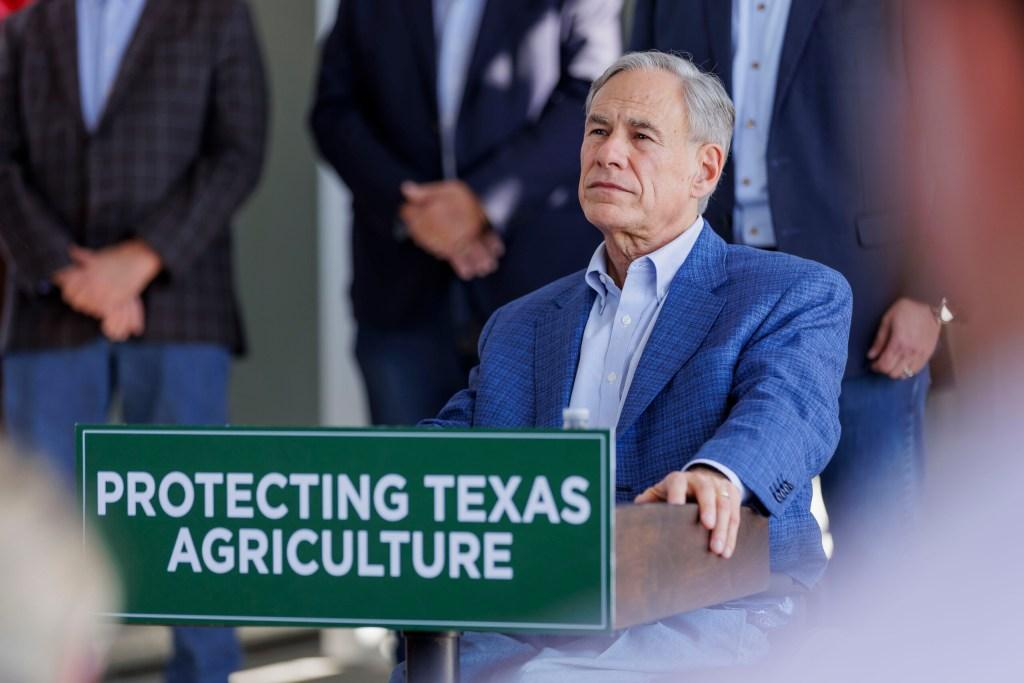
During a news conference held in Austin, Abbott emphasized the importance of this declaration, which allows for the reassignment of state resources and personnel, including those from university systems. The goal is to facilitate the rapid introduction of sterile flies into Texas and the establishment of a sterile fly production facility in South Texas.
The introduction of these sterile flies is a critical strategy designed to disrupt the reproductive cycle of the parasitic fly. Resources are being prioritized for Zavala County, where the first case of screwworm was confirmed earlier this week, along with nearby Uvalde County.
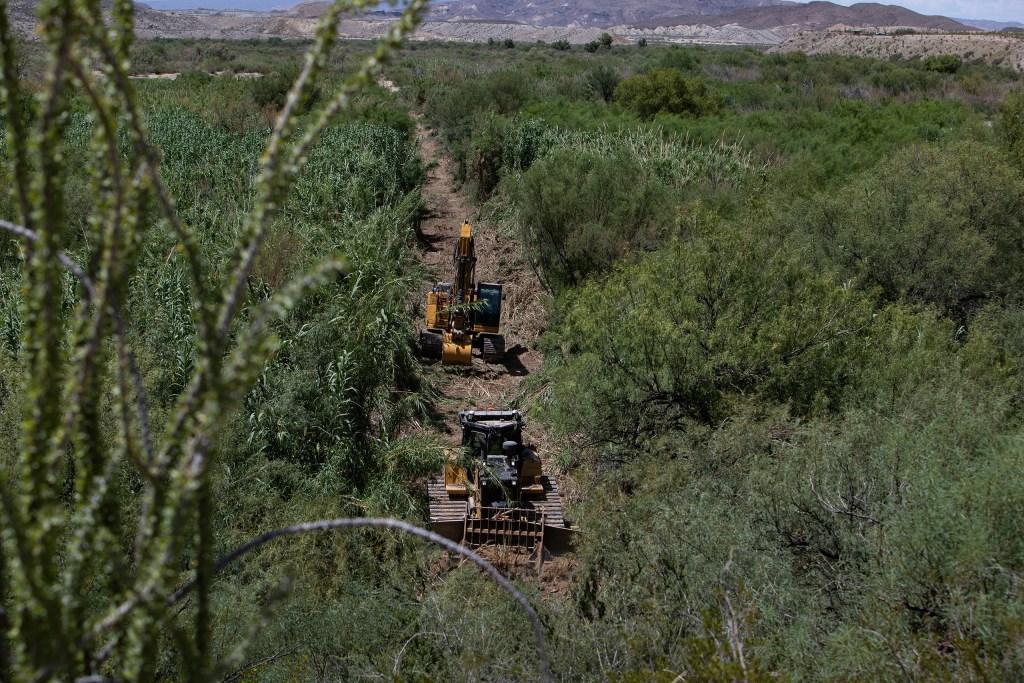
An “infested zone” has been established around the site in Zavala County, adjacent to the Nueces River, where the infested animal was discovered. A broader surveillance area encompasses Uvalde, Lima Grande, and Crystal City to monitor potential spread.
This expanded disaster proclamation follows a series of emergency declarations issued by county judges in Kinney, Jim Webb, and Uvalde counties. Texas law grants the governor and health commissioner extensive authority to respond in times of crisis, enabling them to waive regulations that may hinder effective action against the screwworm outbreak.
A sample taken from a three-week-old calf in La Pryor, Zavala County, tested positive for the first recorded case of New World screwworm in the United States, as announced by U.S. Department of Agriculture Secretary Brooke Rollins. To date, no additional cases have been reported.
The USDA has activated personnel to assist on the ground and is collaborating with local partners. They have indicated that the screwworm issue is not expected to disrupt the food supply chain, as the flies do not affect meat, fruits, or vegetables directly.
However, estimates from the USDA suggest that an outbreak could inflict up to $1.8 billion in damages to Texas’ economy, particularly affecting the cattle industry and potentially driving up beef prices nationwide.
The screwworm infests the wounds of affected animals, causing severe damage as flies repeatedly lay eggs in the wounds, leading to illness and potential death. Even if the animal survives, the damage to its hide and overall health can be extensive.
Cattle are particularly vulnerable due to their inability to protect open wounds, allowing the flies to thrive in multiple locations from a single injury. Russell Boening, president of the Farm Bureau, urged vigilance among Texas livestock producers and residents in their fight against this invasive pest.
Frustration has been expressed by some officials in South Texas regarding the perceived lack of communication from the USDA. Val Verde County Judge Lewis Owens criticized the situation, stating, “It’s a complete lack of information.” He noted that border counties have not received adequate updates on the locations of screwworm cases, hindering their ability to inform their communities.
Owens has also challenged Rollins’ comments attributing the spread of screwworms to President Joe Biden’s “open border” policies, arguing that such claims overlook the reality of current cattle import restrictions. He pointed out that ports of entry for cattle from Mexico have been closed since late 2024.
Nowell Borders, a rancher from Edinburg with property in Mexico, expressed concern for his livestock but is particularly worried about the impact on wildlife, which could be harder to control. He highlighted the economic significance of deer hunting in Texas, warning it could suffer from the screwworm outbreak.
Borders has offered his 100,000-square-foot facility in South Texas as a temporary production site for sterile flies, which scientists agree is the most effective way to eradicate the pest. The USDA is currently constructing a facility in Edinburg set to produce 300 million sterile flies per week, though it won’t be operational until fall 2027. Borders believes his facility could be ready in about a month and is eager for action.
“They need a facility to start, like, last week,” he asserted, urging the USDA and state authorities to begin dispersing sterile flies as far north as San Antonio without delay.
This situation remains fluid, and further updates are expected as the response to the outbreak continues to develop.