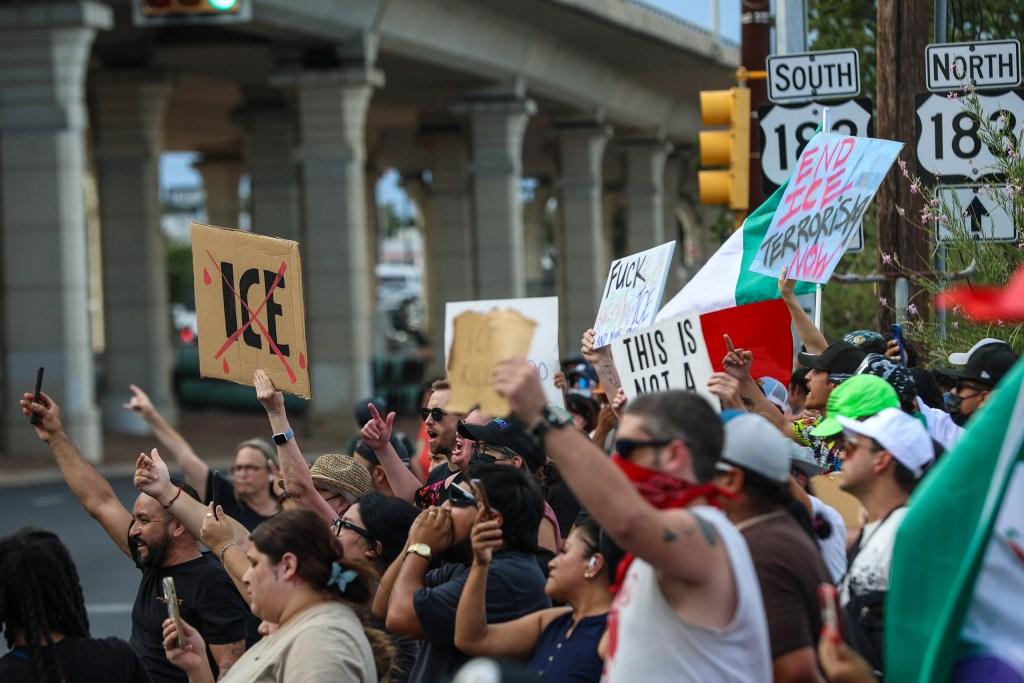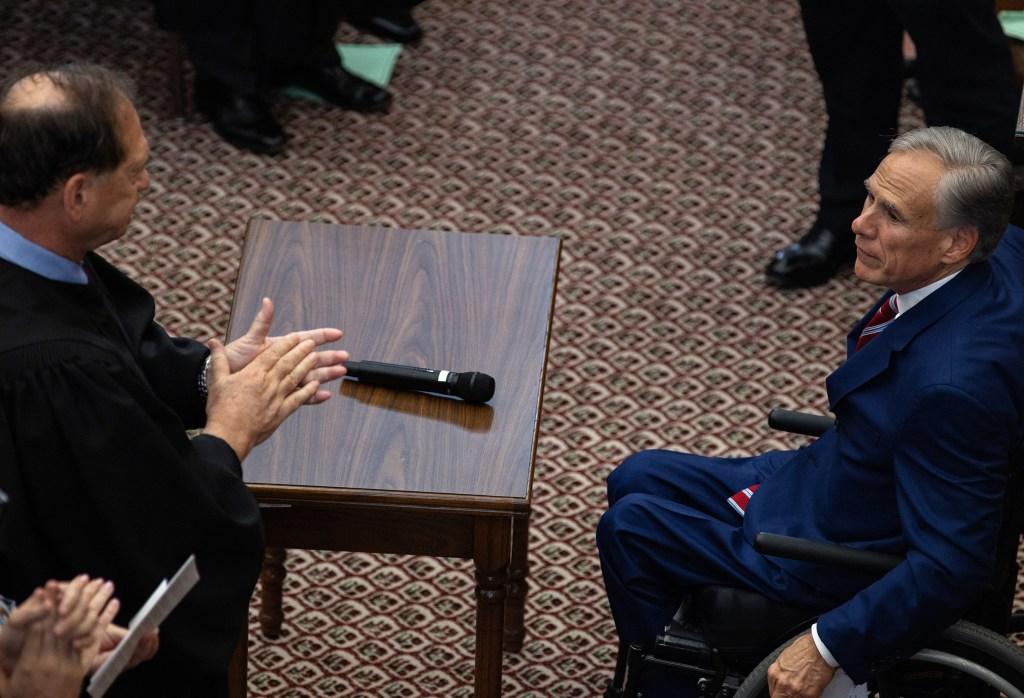









The office of Governor Greg Abbott has issued a warning that state funding may be cut for three of Texas’ largest cities if they do not amend policies that the governor claims hinder police collaboration with federal immigration authorities.
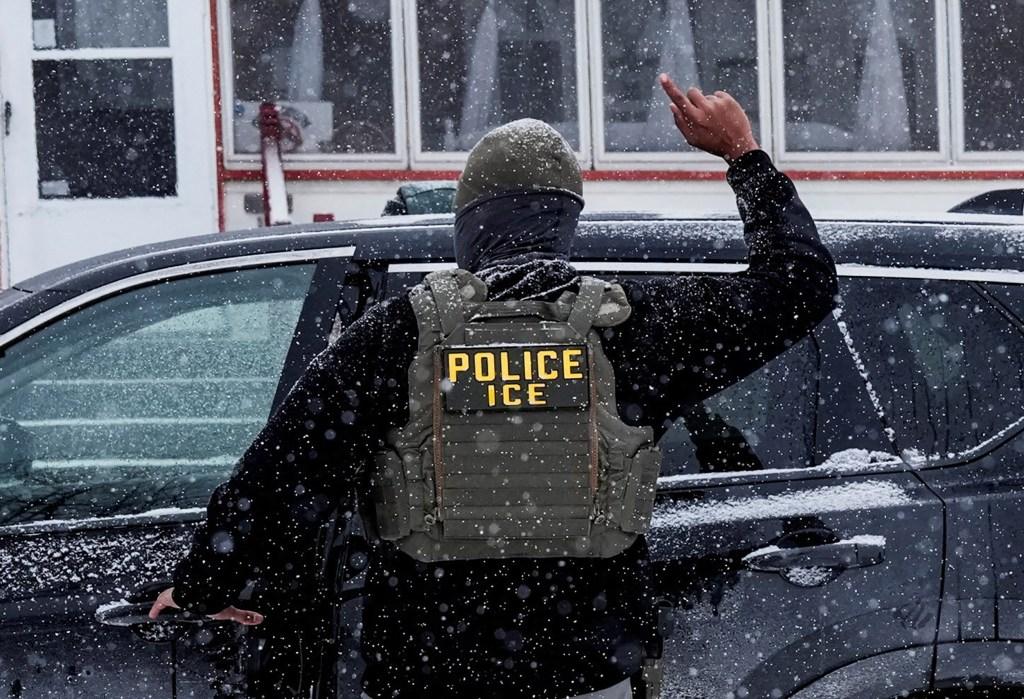
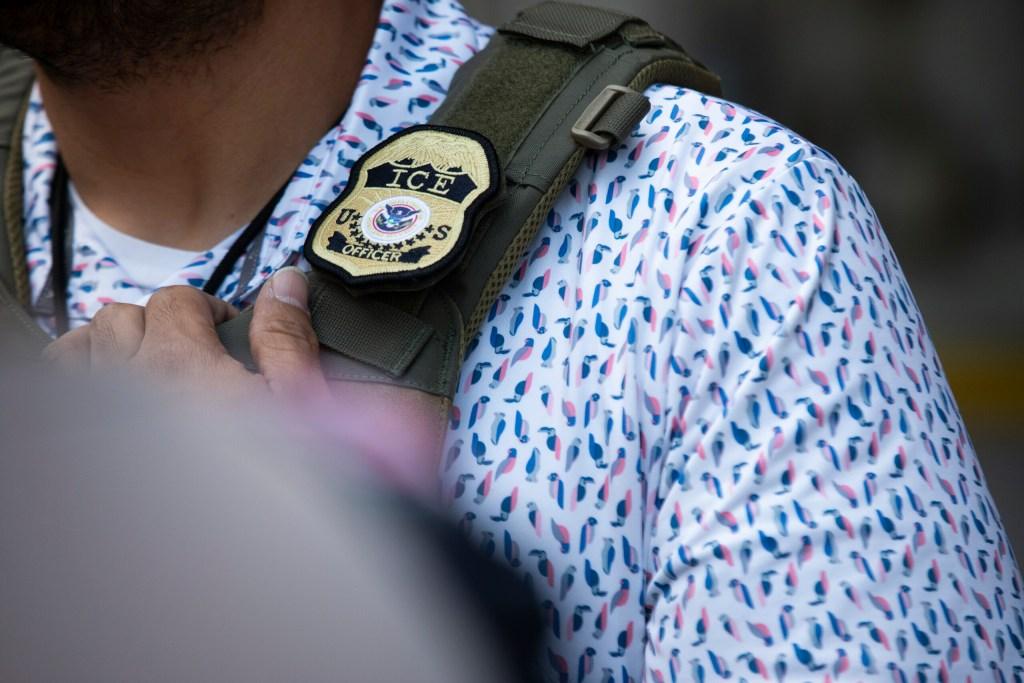
Approximately $200 million in public safety funding is at stake for Houston, Dallas, and Austin, each of which has established regulations directing police officers to avoid prolonging detentions during incidents such as traffic stops for Immigration and Customs Enforcement (ICE) agents. These policies aim to protect individuals from being held solely for immigration inquiries.
Additionally, some cities are facing legal challenges from Attorney General Ken Paxton’s office, which contends that their policies violate Senate Bill 4, a law that prohibits local governments from enacting measures that “materially limit” immigration enforcement. Local officials have contested this assertion, and the ACLU of Texas has expressed that such policies, like those in Houston, uphold “longstanding protections under the Fourth Amendment.”
Houston is at the highest risk of losing state funding, with Abbott’s office notifying the city on Monday that it could lose around $110 million in public safety grants unless it repeals its ordinance.
Following that, similar warnings were sent to Austin on Thursday, indicating that the city could face a loss of approximately $2.5 million in related funding, and to Dallas, where over $32 million in grants and more than $55 million in World Cup public safety funding are at stake.
“Cities in Texas are expected to make the streets safer, not more deadly,” stated Andrew Mahaleris, a spokesperson for Abbott.
Mahaleris has not responded to inquiries regarding whether similar letters have been dispatched to other local governments.
Austin Mayor Kirk Watson rebuffed Abbott’s threats in a public statement, asserting that the city’s policy aligns with SB 4 and merely clarifies guidelines for officers in their interactions with immigration authorities.
“The City of Austin has made significant strides in public safety — but our APD officers do not have the capacity — and should not be asked — to perform the duties of other entities,” Watson remarked. “It is ironic that the state would seek to penalize the City for providing services that enhance safety for Austin residents while threatening grants that contribute to that safety.”
Reports indicate that Paxton has launched an investigation into the Austin Police Department’s immigration policy, which was revised following public outcry over the January detention and alleged deportation of a Honduran woman and her 5-year-old child. The new guidelines, adopted in March, prohibit officers from arresting individuals based solely on civil immigration warrants and from “unreasonably prolonging a detention” to contact ICE.
Likewise, the Dallas Police Department has established guidelines that prevent officers from extending detentions to further investigate an individual’s immigration status or to hold them for federal authorities. Local police are also restricted from stopping individuals solely to determine their immigration status.
It remains unclear if Dallas is under investigation by Paxton’s office, which has not yet provided a comment on the matter.
In response to Abbott’s warning, Dallas spokesperson Rick Ericson affirmed the city’s commitment to comply with all relevant state and federal laws while prioritizing public safety and ensuring officers have the necessary resources to serve the community effectively.
Houston Mayor John Whitmire, who supported the ordinance targeted by Abbott, described the governor’s threats as a “crisis situation” and called for an immediate special city council meeting to reconsider the measure. While Whitmire secured an extended deadline from the governor’s office, Houston was also confronted with a lawsuit from Paxton’s office on the same issue.
“It is regrettable that so much time and resources are being diverted to an issue that should not be partisan,” Whitmire stated in response to the lawsuit. “It hampers our responsibility to maintain safety in Houston and protect all residents.”
Councilmember Alejandra Salinas, who played a crucial role in passing Houston’s ordinance, urged city leaders to “vigorously defend” the measure, which eliminates the requirement for local law enforcement to wait 30 minutes for federal agents to arrive when encountering individuals with administrative immigration warrants during situations like traffic stops. The ordinance also mandates quarterly reports on Houston police’s cooperation with ICE.
Before Paxton filed the lawsuit, Salinas had already been advocating for the city to legally challenge Abbott’s threats.
“This is no longer a question of whether the City should pursue legal action. We are already engaged in it,” Salinas asserted. “The Mayor and City Council must robustly defend the law we enacted and that the City Attorney has deemed legal. I am prepared to collaborate with my colleagues to uphold our laws and protect the constitutional rights of Houstonians.”