








Texas Murals: A Canvas of Culture and Expression
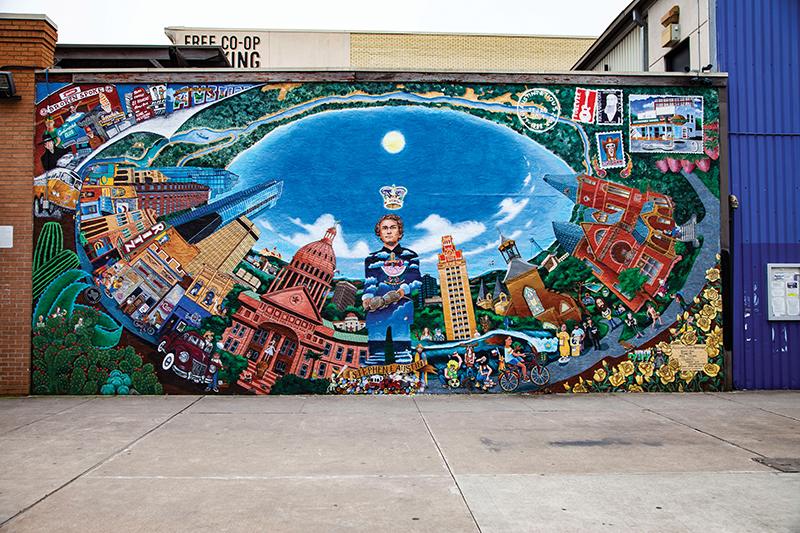
Covering the diverse landscapes of Texas, murals and street art serve as a vibrant tapestry that reflects the state’s expansive history, culture, and community spirit. From the bustling streets of Austin to the industrial landscapes of Houston, these large-scale artworks energize urban environments, bringing color and life to often-overlooked areas. The significance of these murals goes beyond mere aesthetics; they often convey deep narratives and serve as platforms for social commentary.
Artists from various backgrounds contribute to this thriving scene, with their artwork becoming a source of local pride and identity. With a mixture of heritage, artistic innovation, and public participation, Texas murals encapsulate what it means to be part of this state’s ever-evolving culture. As we delve into the flourishing world of Texas street art, we discover not only the remarkable artists behind these works but also the stories they tell and the impact they have on their communities.
The Evolution of Murals in Texas
The history of murals in Texas can be traced back to the early 20th century when they were primarily used as tools for advertising. Business owners commissioned artists to illustrate their products and services, effectively bringing a splash of color to otherwise drab environments. As time passed, this art form evolved significantly, reflecting shifting societal values and cultural trends throughout the decades.
By the mid-1900s, artists began to create public murals that showcased local narratives and historical events. Notable movements included the Mexican muralist movement, which left an indelible mark on Texas art, particularly in cities like San Antonio and El Paso. Artists such as Diego Rivera and José Clemente Orozco inspired local talent to explore themes of identity, struggle, and heritage in their work.
The 21st century marked a new chapter for murals in Texas. The rise of street art as a prominent cultural movement inspired many creatives to take to the walls of their cities with bold and innovative ideas. This era saw a shift from purely representational art to more abstract, conceptual pieces that challenge viewers and invite interaction. Murals have transformed from static images into living conversations, engaging audiences and enhancing the environment they inhabit.
Austin: The Heart of Street Art
Austin, the state capital and a hub for creativity, is home to an extensive array of murals that characterize its eclectic vibe. The city embraces its artistic identity, encouraging artists to showcase their work throughout various neighborhoods. With numerous local festivals and street art events, creatives have ample opportunities to display their talents, transforming public spaces into vibrant galleries.
One of the most famous areas for murals in Austin is the SoCo (South Congress) district. Here, visitors are greeted by a multitude of stunning works, with phrases like “I love you so much,” adorning various walls. This particular mural, created by musician and artist Amy Cook, has become an iconic symbol of love and unity in the city, attracting thousands of visitors each year.
The murals found in Austin serve as a reflection of the city’s progressive values and its commitment to diversity. Artists from different backgrounds collaborate on projects that address pivotal issues such as racial equity, environmental justice, and the LGBTQ+ experience. In this way, Austin’s street art becomes not just decorative but also meaningful and relevant to contemporary society.
Houston: A Fusion of Styles
Houston, the largest city in Texas, showcases an impressive variety of street art, blending various styles and techniques. The city’s murals are a testament to its cultural diversity, featuring influences from African American, Mexican, and Texan heritage. Neighborhoods such as the Heights and Third Ward are hotspots for mural enthusiasts, revealing the voices and stories of local communities.
The Houston Mural Project, launched in 2016, aims to beautify the city while simultaneously supporting local artists. Through this initiative, over 100 murals have been commissioned, creating a unique outdoor gallery that inspires residents and visitors alike. This project is also a great example of community engagement, as many artists work closely with local organizations to ensure their art represents the voices of the neighborhoods they inhabit.
Among the highlights of Houston’s street art is the work of internationally recognized artist and activist, Shepard Fairey, who gained fame for his iconic “Hope” poster during Barack Obama’s presidential campaign. Fairey’s murals in Houston often focus on social and environmental issues, further enriching the dialogue created by the city’s artistic community. His work emphasizes the importance of art as a vehicle for change, resonating with Houston’s commitment to fostering inclusivity and social justice.
Murals as Instruments of Social Change
While the vibrant colors and intricate designs of Texas murals may captivate passersby, many of these artworks are steeped in social commentary. Artists frequently address pressing issues such as gentrification, racism, and mental health, using their platforms to provoke thought and inspire dialogue. The transformative power of art provides a unique medium through which communities can engage in discussions about vital societal topics.
An excellent example is the “Wall of Respect” in San Antonio, a large mural that celebrates African American culture while addressing the historical and ongoing social challenges faced by communities of color. Created collaboratively by local artists, this mural serves as a focal point for grassroots activism and community empowerment. Visitors often stop to reflect, take photos, and engage with the culture and history captured within the mural’s design.
Furthermore, many Texas murals encourage community participation, with artists inviting locals to contribute to their projects. This collaborative approach fosters a sense of ownership among community members and promotes a collective identity, reinforcing the idea that public art belongs to everyone. By drawing in the voices of the community, these murals become living, breathing entities that resonate on a personal level, encouraging individuals to share their stories and experiences.
The Future of Murals in Texas
The future of murals and street art in Texas appears bright, with an ever-increasing number of projects focusing on engaging communities and amplifying diverse voices. As cities continue to embrace and invest in public art, artists remain committed to pushing boundaries and experimenting with new techniques and styles. Embracing technology bears the potential for innovative forms of street art, including interactive murals that leverage augmented reality to immerse viewers in the experience.
Furthermore, local governments and organizations are beginning to recognize the extensive benefits of public art, providing funding and resources to facilitate mural projects. Initiatives like the Texas Commission on the Arts are growing increasingly supportive of street art, offering grants and promotional resources that enable communities to elevate their artistic narratives. This growing institutional support empowers local artists while fostering an appreciation for the cultural significance of these murals.
As Texas continues to evolve as a cultural hub, the murals and street art across the state will undoubtedly adapt in response to contemporary issues. They will remain a dialogue between artists and society, constantly reflecting the changing landscapes of our communities, identities, and the narratives we choose to embrace. With creativity, collaboration, and compassion at the heart of this art form, the potential for Texas murals is limitless.
Experiencing Texas Murals: A Guide for Art Enthusiasts
For those eager to experience the breathtaking murals and street art in Texas firsthand, several neighborhoods and districts serve as must-visit destinations. To truly appreciate the rich artistic tapestry woven throughout the state, consider the following:
- South Congress Avenue (Austin): Famous for its eclectic shops and eateries, this district is adorned with numerous murals and art installations. Make sure to visit the “I love you so much” mural and take in the vibrant atmosphere of the area.
- Heights (Houston): A hub for creative expression, the Heights boasts stunning murals that combine different styles and influences. Wander through the streets, discovering hidden gems and larger works alike.
- Downtown San Antonio: Known for its rich history, this area offers various murals that honor the city’s cultural heritage. Don’t miss the “Wall of Respect” for its powerful message and artistic tribute.
- Deep Ellum (Dallas): A historic neighborhood that has transformed into a lively arts district, Deep Ellum features an array of colorful murals that celebrate local artists and the vibrant community spirit.
When visiting, take time to engage with the artists whenever possible, as many are eager to share their thoughts and experiences behind their creations. Consider participating in local art walks and festivals that celebrate street art while supporting the artists and organizations striving to uplift Texas communities through artistic expression.