





A federal magistrate judge in Minnesota has declined to endorse a complaint accusing independent journalist Don Lemon of involvement in a protest held inside a St. Paul church. This decision has drawn ire from the state’s attorney general, who has been actively working to bolster prosecutorial resources in the region.
Sources close to the situation indicate that Attorney General Pam Bondi expressed significant frustration over the magistrate’s ruling. Despite this setback, officials in the Justice Department are exploring other potential legal avenues to pursue charges against Lemon.
On Thursday, Bondi announced the arrests of two individuals linked to the protest at the church: Chauntyll Louisa Allen, a member of the St. Paul School Board, and Nekima Levy Armstrong, who is alleged to have played a key role in organizing the demonstration. A magistrate judge has approved charges against both Allen and Armstrong.
Kristi Noem, the Secretary of the Department of Homeland Security, stated that Armstrong faces federal charges under 18 USC 241, a law that prohibits conspiracies to infringe upon constitutionally guaranteed rights, including the free exercise of religion.
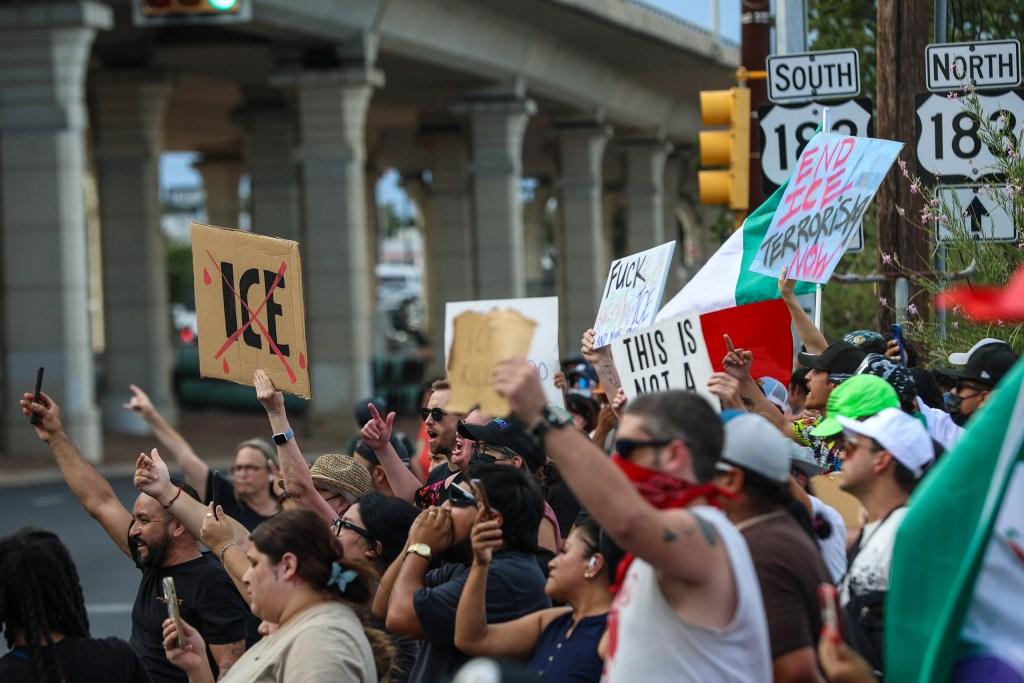
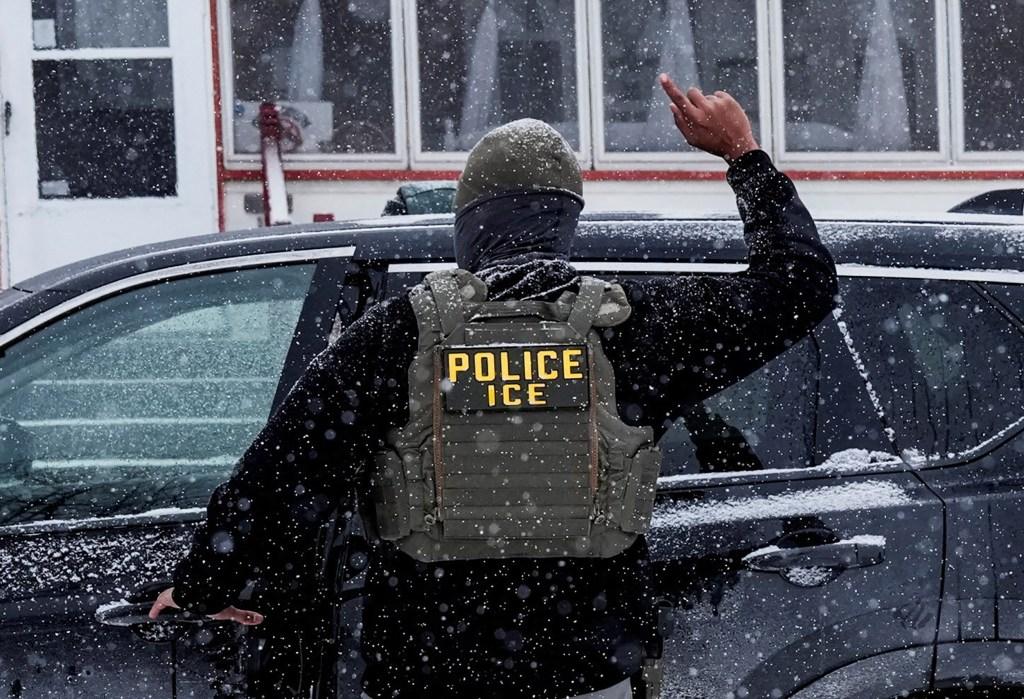
Protesters entered Cities Church in St. Paul after learning that an Immigration and Customs Enforcement (ICE) official was reportedly serving as one of the pastors. Tensions between residents and federal immigration officers have escalated in the Twin Cities, fueled by daily protests since the Trump administration increased the deployment of ICE and Border Patrol agents in the area. Protesters have also been calling for accountability regarding the death of Renee Good, a U.S. citizen shot by an ICE officer in early January.
Lemon, a former CNN anchor, was present at the protest, which disrupted the Sunday service and led to the evacuation of congregants and their families. During an interview with the church’s pastor, Lemon emphasized the importance of the First Amendment, asserting the rights to free speech and peaceful assembly.
In a statement, Lemon’s attorney, Abbe Lowell, highlighted that the magistrate’s decision affirms the First Amendment protections surrounding Lemon’s journalistic activities during the protest. He warned that if the Justice Department attempts to penalize Lemon for his reporting, they will face a strong legal challenge.
Meanwhile, Harmeet Dhillon, the assistant attorney general for the Civil Rights Division, has hinted that Lemon may still face charges related to the disruption of the church service. She remarked that being a journalist does not shield one from facing legal consequences.
Last year, the U.S. Attorney’s Office in Washington, D.C., encountered similar challenges after an influx of federal agents was deployed to address violent crime. Prosecutors were pressured to treat many cases as federal offenses, a tactic that backfired as grand juries began to reject charges and magistrate judges dismissed cases viewed as lacking substantive legal standing.
Magistrate Judge Zia Faruqui noted in an opinion that over eight weeks following the crime surge, the government moved to dismiss 21% of cases charged by criminal complaint, a stark contrast to the 0.5% dismissal rate observed over the previous decade.