







The Origins of the Texas State Fair
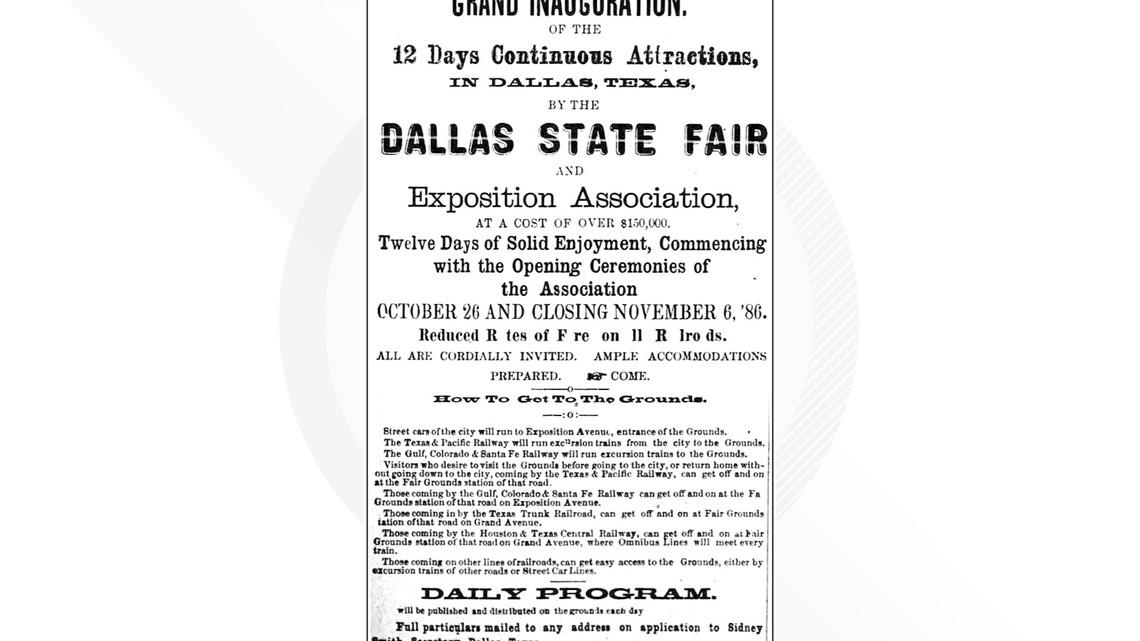
The Texas State Fair, a vibrant celebration of Texan culture and camaraderie, has roots that reach back to the late 19th century. Established in 1886, the fair was initially held in Fair Park, Dallas, as a way to promote agriculture and livestock. The aim was not only to showcase the state’s agricultural bounty but also to uplift the spirit of a community recovering from the Civil War, thereby igniting a tradition that would evolve into one of the most significant events in Texas.
Over the years, the fair has transitioned from its humble beginnings into a massive annual event that attracts millions of visitors, boasting an array of attractions, exhibits, and entertainment options. The fair has often been described as a microcosm of Texas itself—diverse, lively, and filled with an unshakeable sense of pride.
The fair’s initial objectives were primarily educational. It aimed to educate the public about agricultural practices, foster competition among local farmers and ranchers, and ultimately create a platform for communities to come together. The first Texas State Fair showcased stunning livestock exhibitions, agricultural displays, and even various arts and crafts, highlighting the state’s rich resources and ingenuity.
The Evolution of Attractions and Events
As the years rolled by, the Texas State Fair showcased an increasing variety of attractions and events that catered to all ages. By the early 20th century, the fair began to incorporate rides, games, and live entertainment into its schedule, evolving from a pure agricultural fair into a full-fledged amusement experience. Today, the fair features a wealth of attractions, ranging from thrilling rides to heartwarming family shows.
The iconic Ferris wheel, a brilliant symbol of modern fairs and festivals, became a mainstay by the 1950s. It was replaced by a more prominent and larger wheel in 2011, standing at 212 feet tall, showcasing spectacular views of the fairgrounds and beyond. The inclusion of rides not only appealed to younger attendees but also transformed the fair into an all-encompassing entertainment hub, inviting diverse audiences each year.
The fair offers various events, including rodeos, cooking demonstrations, and live music shows, reflecting Texas’s rich cultural heritage. Local and national artists perform on multiple stages, bringing the sounds of country, rock, and pop to an eager audience. The fair is a showcase for Texan talent, with countless performers contributing to an electric atmosphere, making it a cornerstone of Texan values.
The annual Texas State Fair Barbecue Cook-off is another highlight, attracting pitmasters and barbecue enthusiasts from across the nation. This competition underscores Texas’s passion for barbecue, rewarding both creativity and traditional methods, further enhancing the fair’s reputation as a culinary epicenter.
The Culinary Landscape: Food at the Fair
No discussion about the Texas State Fair would be complete without mentioning its legendary food offerings. The moment visitors enter the fairgrounds, they are greeted by an enticing aroma of frying delicacies and grilled specialties. The fair is famed for its adventurous culinary twists, such as deep-fried desserts and unique takes on classic Texan dishes. Some innovative classics include deep-fried butter, fried chicken-fried steak, and fried lemonade.
Each year, the fair hosts a competition for the best new fair food, showcasing the culinary creativity that bursts at the seams of Texan ideas. Winning dishes become symbols of pride for their creators and solidify the fair’s reputation as a gastronomic adventure. Fried foods aside, traditional Texas barbecue remains a central theme, with local vendors serving brisket, ribs, and sausage that celebrate the palate of Texan barbecue culture.
The Texas State Fair doesn’t just stop at food; it also prioritizes showcasing Texas wine and craft beer. A dedicated area within the fairgrounds spotlights local wineries and breweries, allowing visitors to pair their favorite foods with exceptional beverages that hail from the Lone Star State. Such emphasis on local cultivation reflects the fair’s desire to not only entertain but also support local businesses.
While many indulge their culinary senses at the fair, health-conscious visitors are not left out either. The inclusion of various healthy food options has become increasingly important in recent years, allowing attendees to enjoy their favorite fair experiences without sacrificing their health goals. This attention to health reflects evolving societal norms and a growing awareness of dietary needs.
Cultural Significance and Community Involvement
The Texas State Fair serves as a vital cultural touchstone for the state. It honors Texas’s rich heritage, from its Native American roots to the influence of Spanish settlers and early American pioneers. Exhibits offer insight into cowboys, historic agricultural practices, and the diverse customs that characterize Texan life. These portrayals are framed within engaging narrative experiences, giving visitors a deeper understanding of what it means to be Texan.
Beyond entertainment, the fair fosters significant community involvement. It provides a platform for local businesses, artisans, and entrepreneurs to showcase their talents and products. More than 20,000 volunteers contribute to the fair’s success, performing a wide array of roles, from managing food stalls to guiding visitors around the expansive grounds. This engagement strengthens the bond between various communities within Texas.
The fair also emphasizes education through numerous programs and activities geared toward children and young adults. Educational exhibits, workshops, and interactive activities facilitate learning about agriculture, sustainability, and the importance of healthy living. For many, the fair is a place where lasting memories are forged, bringing families together and fostering intergenerational sharing of stories, traditions, and values.
Furthermore, the Texas State Fair stands as a mirror reflecting current societal changes. The fair has become a platform for social progress, celebrating diversity while advocating for inclusion in its vast array of showcases and performances. This embodiment of progressive values manifests in the fair’s continuous evolution, ensuring it remains relevant in an ever-changing landscape.
Challenges and Adaptations in Recent Years
As the Texas State Fair thrived across the decades, it faced unprecedented challenges—especially during recent years marked by the COVID-19 pandemic. The safety of attendees and community health became paramount concerns, prompting the fair to reevaluate its strategies completely. In 2020, after thorough consideration, the decision was made to cancel the fair, marking the first time in its storied history that the event would not occur. This decision, while painful, was made with the community’s health as the foremost priority.
Despite the setback, the Texas State Fair came back in 2021 with enhanced safety protocols. Social distancing measures were put in place, and contactless payment options were introduced to minimize contact among attendees. Such adaptations demonstrated resilience, ensuring that the beloved event could continue amidst tumultuous times, preserving the traditions and happiness it brought to everyone.
With the newfound challenges arising from technological advancements, the fair also adapted by introducing an online presence. Virtual events and engaging digital content become essential to keeping the community connected, extending outreach beyond the fairgrounds. This approach allows the Texas State Fair to embrace the digital realm, reaching a wider audience and laying groundwork for future expansions of its audience.
The resilience demonstrated by the Texas State Fair exemplifies the spirit of Texas itself—unwavering in the face of adversity. The fair’s ability to emerge stronger while maintaining its focus on community involvement and cultural representation proves that the Texas State Fair is much more than an event; it symbolizes endurance and unity.
The Future of the Texas State Fair
Looking forward, the Texas State Fair aims to maintain its role as a cultural landmark while continually embracing evolution. As interests shift and communities expand, the fair recognizes the need to innovate. Emphasis on sustainability, cultural diversity, and inclusivity is at the forefront of planning efforts for future events. The commitment to featuring local businesses, promoting eco-friendly practices, and celebrating diverse cultures will ensure the fair remains relevant to younger generations.
Plans for future fairs include incorporating more green initiatives, such as waste reduction programs and sustainable food practices, which can enhance the visitor experience while championing environmental stewardship. By leaning into these principles, the fair will create a legacy of responsibility, echoing the values of the community it serves.
The Texas State Fair recognizes the importance of engaging the next generation, aiming to curate events and educational programs that cultivate a love for Texan traditions while addressing contemporary issues. Exciting changes for the upcoming years will build a bridge between history and the future, ensuring the fair remains a significant gathering place for Texans and tourists alike.
In embracing its rich history and looking forward to a dynamic future, the Texas State Fair stands as a testament to the spirit and resilience of a community that values its past while eagerly paving the way for what lies ahead. The excitement, tradition, and unity experienced at the fair promise to create cherished memories for future generations, keeping the Texas spirit alive for many years to come.