








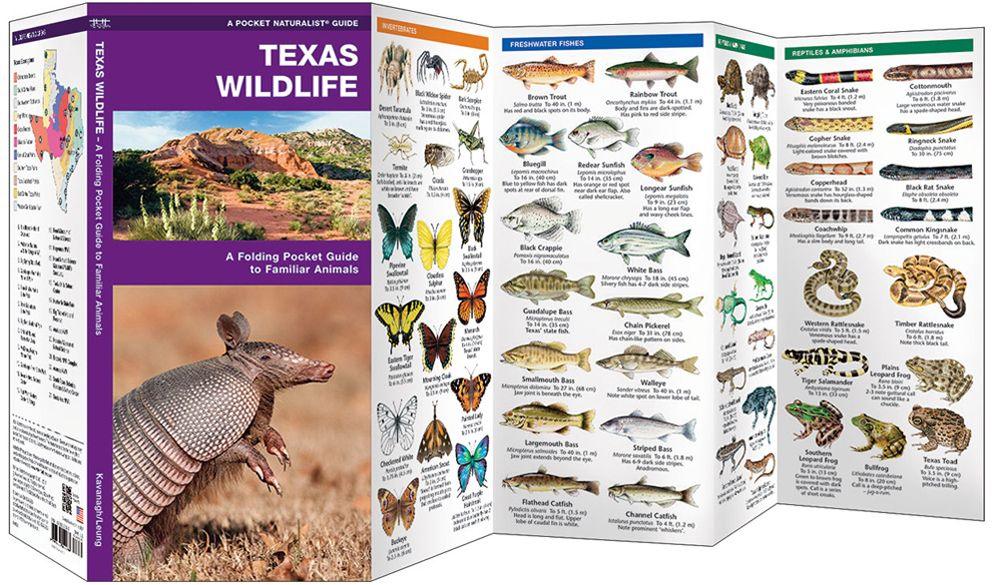
Texas, the second-largest state in the United States, is renowned for its vast landscapes, rich cultures, and diverse ecosystems. From the arid deserts of West Texas to the lush wetlands of the Gulf Coast, the state’s varied habitats provide a haven for an astonishing array of wildlife. Among these, birds, mammals, and reptiles play pivotal roles in maintaining ecological balance and showcasing the area’s natural beauty. This article delves into the diverse species of wildlife found in Texas, highlighting their characteristics, habitats, and conservation efforts.
As one traverses the state, it becomes apparent that the unique geography and climate foster a remarkable variety of species. Texas boasts over 600 bird species, 140 mammal species, and nearly 200 reptiles. This abundance not only delights wildlife enthusiasts and photographers but also marks Texas as a critical region for biodiversity. Understanding the various groups of wildlife residing in this state helps to appreciate their ecological importance and the ongoing efforts to protect their habitats.
Birds of Texas: A Feathered Paradise
Diverse Avian Species Across Ecosystems
Texas is a birdwatcher’s paradise, offering a multitude of environments that host various species of birds throughout the year. The state’s diverse habitats include grasslands, forests, wetlands, and coastal regions, making it one of the top birding destinations in the country. Among the most notable avian residents are the American Robin, Northern Mockingbird, and Bald Eagle. Each species plays an essential role in the ecosystem, contributing to seed dispersal, pest control, and environmental monitoring.
During the migration seasons, Texas becomes a vital stopover for countless migratory birds. The Central Flyway and Mississippi Flyway converge in this region, attracting species such as the Sandhill Crane and Whooping Crane. The Houston Audubon Society has been instrumental in maintaining marine habitats, ensuring that these migratory birds have safe resting places.
Birds of Texas are not just limited to well-known species. The subtropical regions of South Texas, known for its dense thickets and wetlands, harbor rare birds such as the Green Jay and Black-capped Vireo. Conservation efforts to protect these critical habitats have become imperative, as urban expansion threatens these unique species.
Endangered Birds and Conservation Efforts
Despite the rich biodiversity, many bird species in Texas face threats from habitat loss, pollution, and climate change. The California Condor, once on the brink of extinction, has seen some recovery through dedicated conservation programs, including captive breeding and habitat restoration. Texas has played a crucial role in this recovery effort, providing necessary habitats for these majestic birds to thrive.
Organizations such as Texas Parks and Wildlife and the National Audubon Society have been actively involved in monitoring bird populations and implementing conservation strategies. These efforts not only focus on rare species but also on preserving the delicate balance of Texas’s ecosystems, ensuring that future generations can enjoy birdwatching and the presence of diverse avian populations.
In addition to government and non-profit organizations, local communities are increasingly participating in conservation efforts. Numerous grassroots initiatives promote awareness and provide resources for residents to help protect local bird populations through habitat restoration, citizen science projects, and community birdwatching events.
Mammals of Texas: Diversity in Fur and Form
Savannahs, Mountains, and Urban Landscapes
The mammalian fauna of Texas is as diverse as its landscapes, ranging from the iconic Bison roaming the plains to Armadillos scurrying through suburban backyards. Mammals in Texas are adapted to a wide range of environments, including deserts, forests, and coastal areas. Species like the Texas Hill Country White-tailed Deer are common in wooded regions, while Mexican Free-tailed Bats can be found in caves and urban areas, playing a significant role in insect control.
The state’s extensive ranching and farming industries provide essential habitat for larger mammals. In areas like the Rio Grande Valley, one can encounter unique wildlife such as the Coatimundi, a South American native, and the Ocelot, both of which thrive in brushy undergrowth. Conservationists are concerned about the dwindling populations of these species due to habitat fragmentation and loss.
Texas is also home to several endangered and protected species, such as the Houston Toad and the Texas Kangaroo Rat, both of which require specific environments to survive. Efforts to conserve these species, such as habitat restoration projects and environmental grants, are critical in ensuring their survival. Public awareness campaigns often highlight the importance of preserving these unique mammals and their habitats.
Human-Wildlife Interactions and Challenges
The interaction between humans and Texas mammals can sometimes lead to conflict, as urban development encroaches on natural habitats. Animals like Raccoons and Coyotes have adapted to city life, often leading to sightings in neighborhoods. While some residents appreciate the presence of wildlife, others see it as a nuisance. Education is key in promoting coexistence, teaching the public ways to create wildlife-friendly spaces and secure their properties against wildlife intrusions.
Government agencies and non-profit organizations run programs to educate citizens on wildlife behavior and the ecological importance of preserving native species. These initiatives focus on creating healthy environments both for humans and wildlife. Future sustainability depends on achieving a balance that allows people to thrive alongside diverse mammalian populations without compromising the integrity of their habitats.
Reptiles of Texas: Scales and Survival
A Reptilian Wonderland
Texas is home to an impressive array of reptiles, with over 100 species recorded across various habitats, from deserts and forests to wetlands and grasslands. This group includes snakes, lizards, turtles, and alligators, each adapted uniquely to their environment. The Texas Horned Lizard and Eastern Collared Lizard are two examples of reptiles that thrive in the arid environments of the state, showcasing extraordinary adaptations for survival.
Snakes occupy a prominent place in the Texas reptile lineup. The state’s ecosystems are home to a variety of snakes, ranging from the non-venomous Texas Rat Snake to the venomous Western Diamondback Rattlesnake. While some view snakes with fear, many species serve essential roles in controlling rodent populations and maintaining ecological balance.
Texas’s coastal regions host a variety of turtles, including the Texas Tortoise and the Loggerhead Sea Turtle. Conservation programs aimed at protecting these reptiles are paramount, particularly for the sea turtles, which face threats from pollution, climate change, and habitat loss. Beaches along the Texas coast are critical nesting sites, and conservationists work tirelessly to protect these areas and educate the public about the importance of preserving coastal habitats.
Conservation Strategies and Responsibilities
The preservation of Texas’s reptiles relies significantly on understanding various species’ ecological roles and the threats they face. Conservationists have developed strategies to monitor reptilian populations and their habitats, utilizing citizen science as a powerful tool. Enthusiasts are encouraged to participate in reporting sightings and gathering data on reptile distribution and behavior. These contributions help researchers gain insights and inform conservation efforts.
Public education campaigns have proven successful in changing perceptions about reptiles, emphasizing their critical roles in ecosystems. Programs that focus on the benefits of snakes and lizards, such as pest control and ecological balance, aim to reduce fear and misinterpretation associated with these animals.
Collaboration between governmental bodies, educational institutions, and wildlife organizations fuels ongoing conservation efforts. Ensuring that Texas’s unique reptile species can thrive for generations to come depends on collective action towards habitat preservation, population monitoring, and public education.
Cultural Significance and Ecotourism
Wildlife as a Cultural Touchstone
The wildlife of Texas is more than just a collection of animals; it is intertwined with the culture and heritage of the state. Local festivals celebrate the state’s diverse ecosystems, emphasizing how integral wildlife is to Texas identity. Events such as the Texas Coastal Bend Wildlife Festival and Great Texas Birding Classic attract nature lovers from across the country, showcasing the stunning biodiversity.
Folklore, local art, and literature often draw inspiration from Texas wildlife. The portrayal of iconic species like the Longhorn Steer and the American Alligator can be found in various mediums, depicting their significance in shaping Texan life. Understanding and valuing this cultural heritage is essential in fostering a sense of stewardship among residents and visitors alike.
Ecotourism: A Thriving Industry
Ecotourism has emerged as a vital component of Texas’s economy, encouraging people to explore its natural landscapes while advocating for conservation. The state’s numerous national and state parks, wildlife refuges, and nature reserves attract millions of visitors each year. Places such as the Big Bend National Park and Santa Ana National Wildlife Refuge offer opportunities for birdwatching, wildlife photography, and exploration of habitats rich in biodiversity.
Local communities benefit from ecotourism as it generates revenue through paid tours, wildlife photography workshops, and educational programs. Many residents have taken on roles as naturalists and guides, sharing their knowledge and passion for Texas wildlife with visitors. This connection fosters a greater appreciation for the state’s natural beauty, motivating tourists to support conservation efforts.
In this way, Texas wildlife not only contributes to the ecosystem’s health but also shapes the state’s cultural, social, and economic landscape. As awareness of environmental issues grows, residents, conservationists, and visitors can work together to preserve the unique wildlife that defines Texas for future generations.