





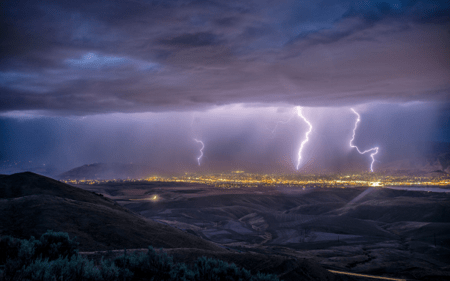
In Fort Worth, outdoor venues are increasingly implementing lightning alert systems to enhance safety for attendees. While the city’s outdoor sirens are designed to signal major public threats such as tornadoes and extreme weather, they are not specifically activated for lightning strikes close to individual venues. This gap has prompted event operators to take charge of monitoring conditions specific to their locations.
These lightning alert systems provide venue staff with timely data, allowing them to act proactively before the first thunder reaches the audience. Unlike citywide alerts, which address broader weather events, these localized systems give event operators the necessary information to protect attendees at concerts, sports events, and festivals.
Local Alert Systems for Local Threats
Fort Worth’s approach to lightning safety emphasizes local monitoring. The city’s athletic fields have adopted a policy where an on-site monitor clears the fields when lightning is detected within a 10-mile radius. This rule is straightforward: participants must remain off the field for 20 minutes following the last detected strike. The policy does not allow exceptions for championship games or inclement weather that may not be severe enough to warrant such action.
This shift from subjective judgment to objective measurement is significant. Previously, decisions about lightning safety relied heavily on visual cues and audible thunder, which could mislead coaches and players. With technology in place, the decision-making process is now based on data that indicates danger, improving safety for everyone involved.
The Challenge of Evacuating Large Crowds
While clearing a small athletic field is relatively simple, managing the evacuation of a large outdoor festival is much more complex. Fort Worth hosts numerous events that attract thousands of attendees, often spread out over expansive areas. This makes it challenging to direct people to safe shelter quickly, especially when they are away from their vehicles.
The warning system must provide ample time for crowds to disperse, but the distance and number of exits available can complicate this process. Unlike athletes who are accustomed to game interruptions, concert-goers may feel frustrated if performances are halted prematurely, especially if the weather still appears manageable.
Shifting Control of Weather Decisions
As safety protocols evolve, the responsibility for weather-related decisions is also changing. A dedicated monitor now tracks lightning strikes, allowing the event organizer to focus on the performance and audience management. When the alert threshold is reached, this information is relayed to the person in charge, ensuring that safety decisions are based on data rather than instinct.
This transition alters the dynamics of live events. While sponsors and production teams may push for the show to continue, having a documented trigger for safety allows organizers to justify their decisions, even when audiences may feel inconvenienced.
Challenges with Shelter Availability
Despite advancements in lightning detection technology, many outdoor venues still struggle with inadequate shelter options. Structures like pavilions and dugouts may provide some cover, but they do not offer the same level of safety as fully enclosed buildings. During a storm, attendees may not have enough time to reach their vehicles, and the capacity of available shelters often falls short of demand.
This mismatch between warning systems and shelter availability can create chaotic situations when storms approach. As guests scramble for safety, staff must work to redirect them efficiently, which can become increasingly difficult as conditions worsen.
Changing Public Expectations
Residents of Fort Worth are well-acquainted with severe weather, leading to a mix of apprehension and skepticism regarding storm warnings. The introduction of localized alerts helps clarify the threat, focusing on the immediate area surrounding an event rather than suggesting citywide danger.
As attendees become accustomed to earlier alerts and interruptions, event organizers will likely integrate these weather protocols into their planning routines. The emphasis will shift from reactive to proactive measures, ensuring that safety considerations are firmly established before events begin.
While technology cannot prevent lightning strikes, it does facilitate timely decisions about when to halt events, ultimately prioritizing the safety of attendees in North Texas.