








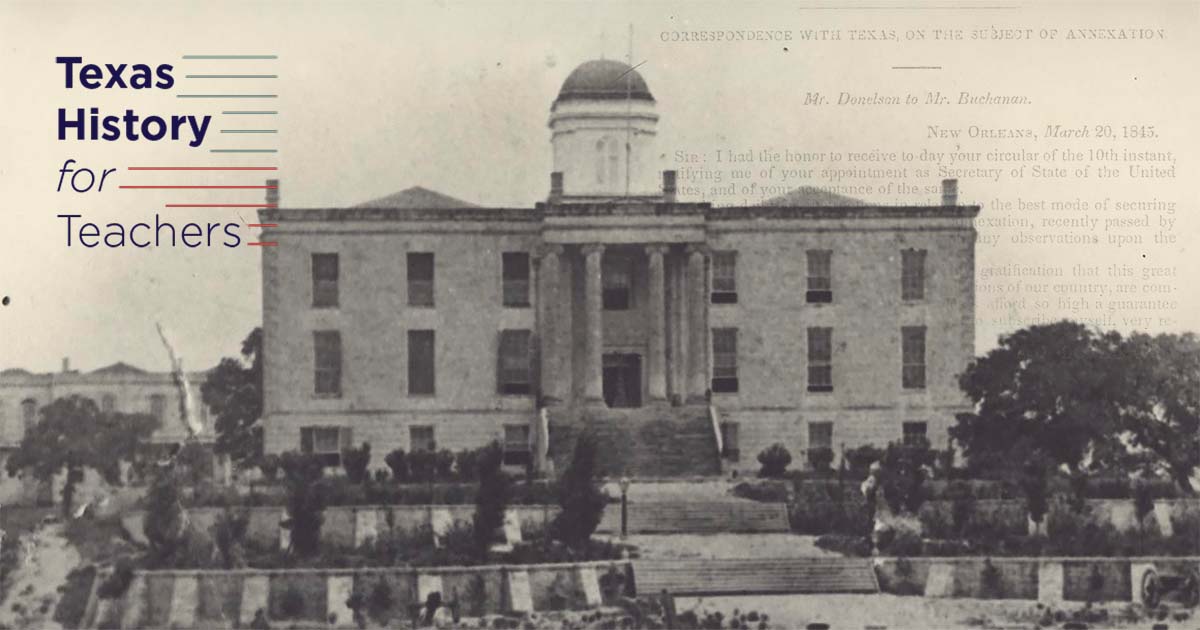
The Story of Texas Statehood
The journey to Texas statehood is a remarkable saga that intertwines conflict, ambition, and a quest for independence. It is a tale shaped by the spirit of revolution, as a burgeoning population sought to carve out its legacy amid the turbulent politics of the early 19th century. Today, Texas stands as one of the largest and most influential states in the United States, but its path to statehood was fraught with challenges and pivotal moments that ultimately defined its identity.
From its days as a Spanish territory to an independent republic and ultimately American statehood, Texas’s history is rich with significant figures and landmark events. This article delves into the complex timeline of Texas’s journey, examining the motives, conflicts, and resolutions that played crucial roles in its eventual acceptance into the Union.
Colonial Beginnings and Mexican Texas
The early history of Texas can be traced back to the mid-18th century when Spain began to establish missions and settlements. The area was initially considered sparsely populated and strategically important. The Spanish saw Texas as a buffer against encroaching French territories, leading to a greater military and civilian presence in the region. By the time the Spanish crown began granting land to settlers, it became clear that Texas would play a crucial role in shaping North America’s geopolitical landscape.
Following the War of Independence from Spain, Mexico emerged as an independent nation in 1821, inheriting the vast territories that included Texas. As part of Mexico, Texas experienced significant changes; it attracted a large influx of American settlers. These settlers were largely drawn by the promise of land and opportunity. However, tensions grew between the Anglo settlers and the Mexican government over issues such as cultural differences, language barriers, and laws regarding slavery.
By the late 1820s, the Mexican government sought to curb this influx of settlers, imposing stricter immigration policies and limiting the spread of slavery, which many Anglo settlers relied upon for their agricultural ambitions. This shift incited resentment among the Texian settlers, who felt alienated and increasingly disillusioned with Mexican authority. The seeds of discontent were sown, setting the stage for a dramatic clash that would alter the course of Texas’s fate.
The Road to Independence
As tensions escalated, the Texian settlers began to organize and voice their grievances. Notable figures such as Stephen F. Austin emerged as leaders in the struggle for Texian rights, advocating for a greater degree of autonomy from the Mexican government. In 1833, Austin traveled to Mexico City to present a series of requests on behalf of the settlers, but his mission was ultimately thwarted. Upon his return, he was arrested for treason, further inflaming the situation.
In October 1835, skirmishes erupted between Texian militiamen and Mexican forces at the Battle of Gonzales, signaling the start of the Texas Revolution. This clash was fueled by the desire to preserve Texan rights and freedoms, with many settlers rallying to the cause. The revolution gained momentum as battles such as the Siege of Bexar played out, ultimately leading to a critical confrontation at the Alamo in 1836, which would become a symbol of resistance.
The fall of the Alamo on March 6, 1836, although a devastating loss for the separatists, ignited a fierce desire for revenge among Texians. Led by Sam Houston, the Texian army achieved a decisive victory at the Battle of San Jacinto on April 21, 1836, a mere 18 minutes that turned the tide in favor of Texian forces. This battle culminated in the capture of Mexican General Santa Anna and set the stage for Texas’s declaration of independence.
The Texas Republic and Its Challenges
With independence declared on March 2, 1836, the Republic of Texas was born. However, it faced immediate trials. The new government struggled with financial instability, a lack of recognition from foreign powers, and an ever-present threat of reinvasion by Mexican forces. Sam Houston became the first president of the Republic, focusing efforts on securing the borders and establishing diplomatic relations, particularly with the United States.
Despite these challenges, the Republic saw growth and development, attracting further immigration from the U.S., fueled by the promise of land and opportunity. However, the integration of large numbers of settlers raised concerns about the implications for slavery, as many Anglo settlers sought to maintain their practices contrary to Mexican law. The socio-political landscape of Texas was becoming increasingly complex, highlighting the growing divide between pro-slavery and anti-slavery sentiments that would later play a significant role in national politics.
The challenges faced by the Republic were not just internal; relations with Mexico remained fraught. Santa Anna’s retaliatory measures and continued threats to reclaim Texas created a climate of insecurity. The uncertainty surrounding Texas’s future placed immense pressure on its leaders, making the question of annexation to the United States a central focus of political discourse. Through treaties and negotiations, Texas sought recognition and stability, but the landscape remained volatile.
The Path to Annexation
The road towards Texas annexation was marked by political maneuvering and significant debates in the United States. The appeal for union resonated with many Texans, who were eager for the security and economic benefits that American statehood would bring. Yet, the prospect of annexation met with staunch opposition from various factions within the U.S., particularly those concerned about expanding slave territory into the Union.
The pivotal moment for annexation came in 1844 when President John Tyler, a pro-slavery advocate, moved to facilitate the process. His actions reignited the national discourse on slavery and exacerbated existing regional tensions. The Texas annexation became a major campaign issue during the election of 1844, featuring prominently in the platforms of both Tyler and his challenger, James K. Polk. Ultimately, Polk’s presidency heralded a new era of expansionist ideology, leading to Congressional approval for annexation in 1845.
However, the annexation was not without complications. Provisions spelled out by Congress included a notable stipulation that Texas would be allowed to divide into multiple states later—something that hinted at possible political divisions regarding slavery in the future. This compromise did little to quell the heightened tensions nationwide, as the political landscape was sparking debates that would shape the trajectory of the nation.
Texas Becomes the 28th State
On December 29, 1845, Texas officially became the 28th state of the United States. This transition from a republic to a state allowed Texas to solidify its claim over vast territories that had once been integral to its independence. The integration into the Union made way for infrastructure improvements and further population growth, yet it also opened the door for conflict. The tensions over slavery continued to simmer, laying the groundwork for divisive political fractures that would have profound implications for the nation.
The integration process was not seamless; it led to the intensification of disputes regarding the border with Mexico. The U.S. and Mexico had differing interpretations of the Texas-Mexico boundary. As American settlers pushed further westward, the issue of expansion became intertwined with the question of whether new territories would permit slavery, further complicating the national dialogue.
This conflict ultimately led to the outbreak of the Mexican-American War in 1846. Texans played a pivotal role in the war’s initial confrontations, seeking to further assert their claim on the territory while also confronting their history of conflict with the Mexican government. As the war progressed, the decisive victories for American forces heralded the acquisition of vast land, setting the stage for future debates about statehood, territorial governance, and civil rights.
The Enduring Legacy of Texas Statehood
The complex history of Texas from its independence to statehood is a reflection of a broader narrative of ambition, conflict, and the pursuit of belonging. Today, Texas retains a unique identity within the United States, steeped in pride, cultural diversity, and a spirit of independence borne out of its tumultuous journey to statehood. The legacy of its past continues to shape its politics, economy, and cultural dynamics.
As one of the largest states in the nation, Texas now plays an integral role on the national stage. From its sprawling cities to vast rural landscapes, Texas has become a microcosm of American life, where conservative values and progressive agendas vie for prominence. The historical undercurrents of its journey to statehood still resonate in contemporary dialogues surrounding immigration, state rights, education policy, and civil liberties.
The story of Texas statehood remains a testament to the resilience of its people and a reflection of the broader American experience. The events that have shaped Texas offer vital insights into the complexities of national identity, regional pride, and the ongoing challenges of unifying diverse interests within a larger framework. As the state continues to evolve, its rich history will undoubtedly remain pertinent, guiding its aspirations and shaping its future.