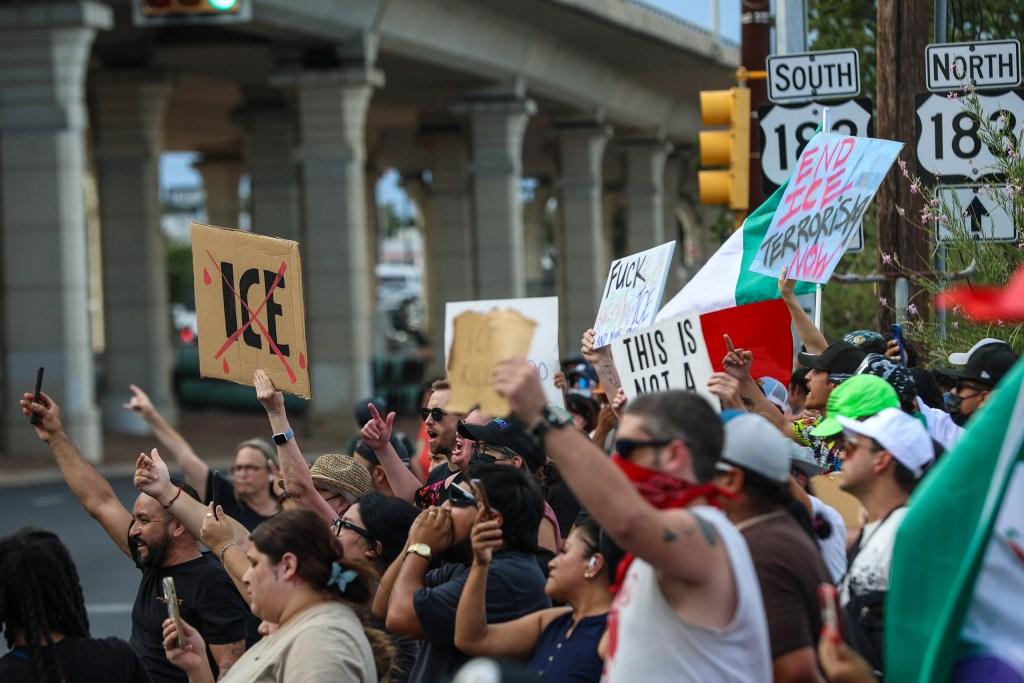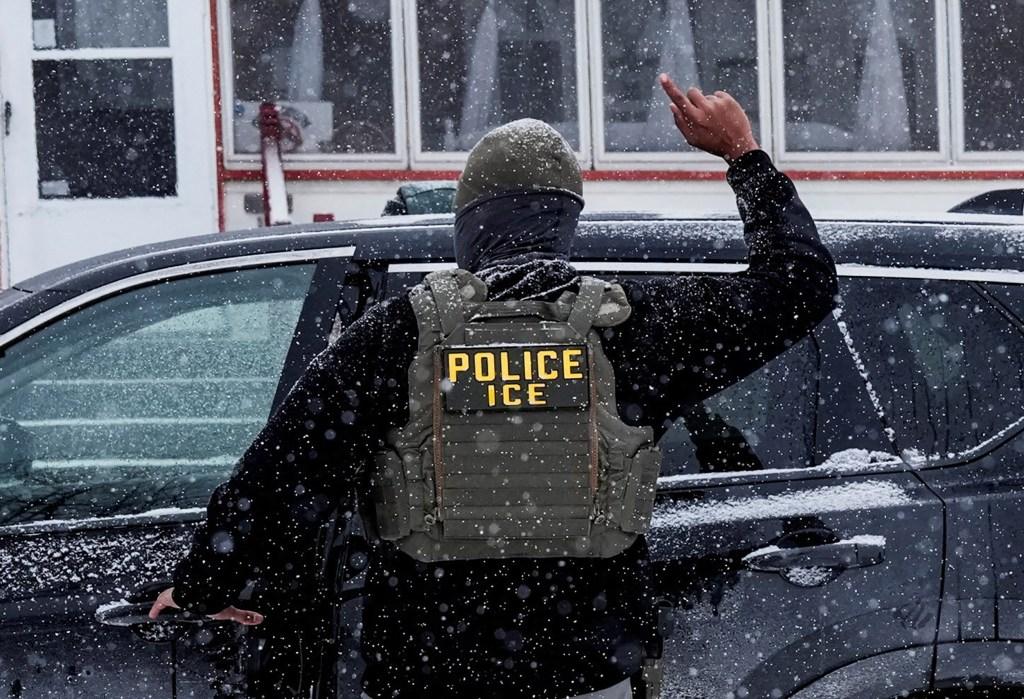








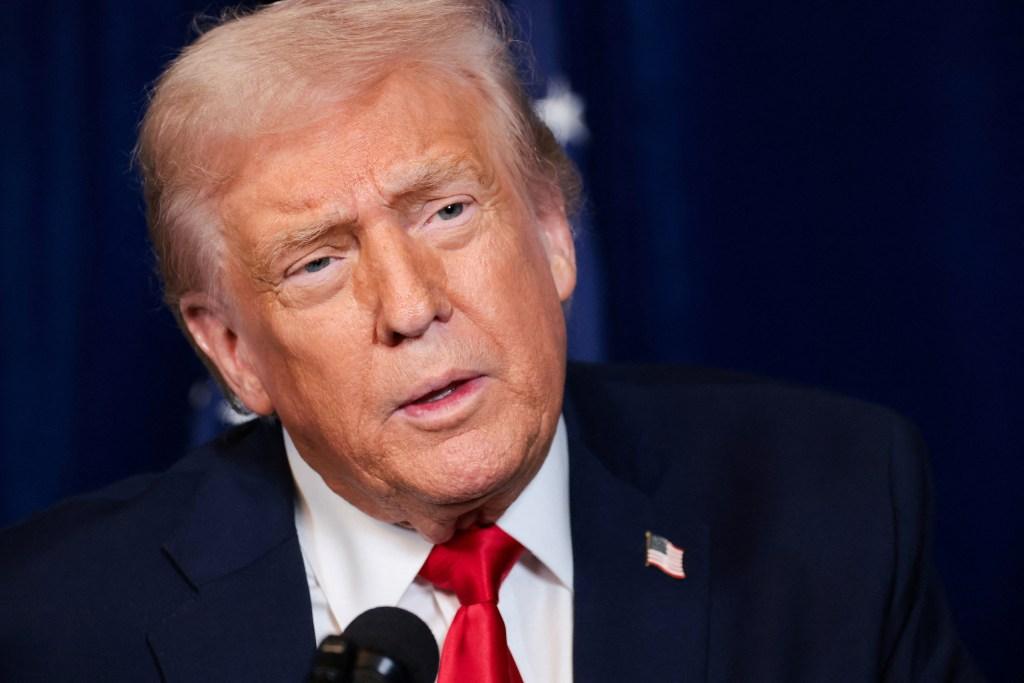
President Donald Trump has announced that he is temporarily halting his initiative to deploy National Guard troops in Chicago, Los Angeles, and Portland, Oregon, following a series of legal challenges that have obstructed the effort.
In a social media statement made on Wednesday, Trump indicated that the National Guard troops would be withdrawn for the time being. He suggested that they could be re-deployed in a “much different and stronger form” when crime rates increase again, asserting that it is “only a question of time.”
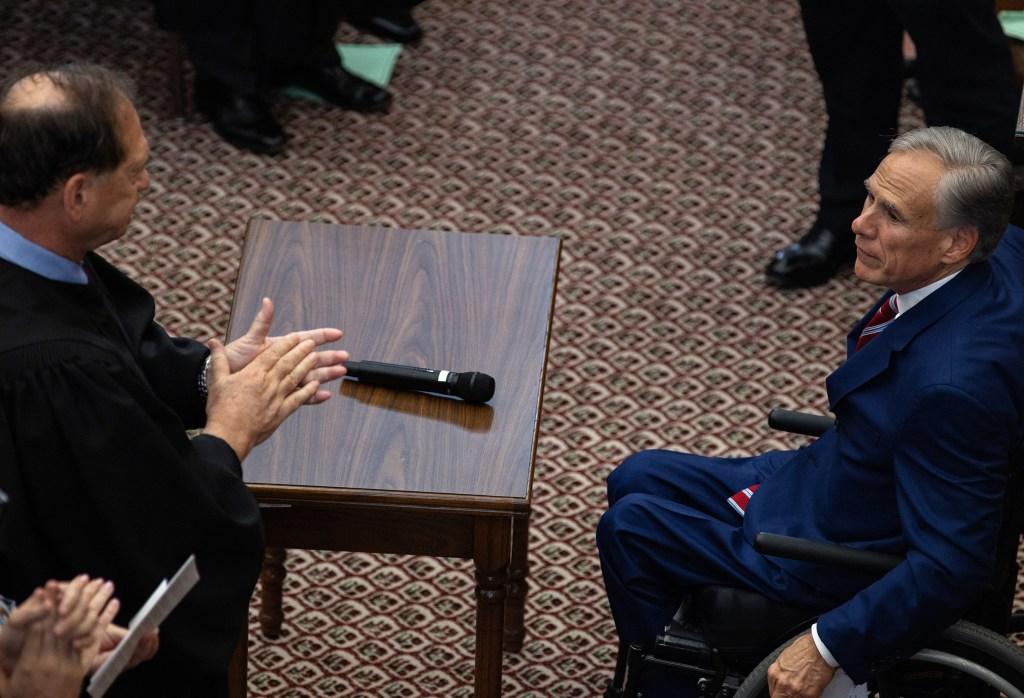
Previously, Texas Governor Greg Abbott had sent the state’s National Guard to assist in Chicago. Earlier this month, the U.S. Supreme Court denied a request to stay a lower court ruling, which had blocked the mobilization of National Guard troops in the Chicago area.
The deployment of troops to Los Angeles had already concluded after Trump initially sent them earlier this year as part of a broader strategy to address crime and immigration issues. Although troops were dispatched to Chicago and Portland, they never reached the streets due to ongoing legal disputes.
Trump has emphasized a crackdown on urban crime as a key focus of his second term, even considering the invocation of the Insurrection Act to counteract judicial challenges to his plans.
He views a tough stance on crime as a politically advantageous issue ahead of the midterm elections next year.
In November, U.S. Northern Command indicated that it was “shifting and/or rightsizing” operations in Portland, Chicago, and Los Angeles, while maintaining a “constant, enduring and long-term presence” in those cities.
Legal opposition has plagued Trump’s attempts to deploy troops in cities governed by Democrats. In December, the Supreme Court declined to permit the administration’s deployment of National Guard troops in Chicago, marking a significant setback for Trump’s immigration crackdown efforts.
In Washington, D.C., the Attorney General, Brian Schwalb, filed a lawsuit to stop the deployment of over 2,000 National Guard members.
While hundreds of troops from California and Oregon were sent to Portland, a federal judge prohibited their active presence on the streets. Following a three-day trial, a judge permanently blocked the deployment of National Guard troops in Portland in November.
California National Guard troops were withdrawn from Los Angeles by December 15, following a court ruling. However, an appeals court suspended a portion of the ruling that mandated control of the Guard to revert back to Governor Gavin Newsom.
In a recent court filing, the Trump administration indicated it would no longer pursue a pause in that ruling, allowing for the California National Guard to fully revert to state authority after Trump had federalized the Guard in June.
California Attorney General Rob Bonta labeled this development a “major litigation victory” in a statement released on Wednesday, criticizing the use of National Guard troops for political purposes. “For six months, California National Guard troops have been used as political pawns by a President desperate to be king,” Bonta said. “There is a reason our founders decided military and civilian affairs must be kept separate; a reason that our military is, by design, apolitical.”
Additionally, Trump had ordered the deployment of the Tennessee National Guard to Memphis in September to combat crime, a decision that received backing from the state’s Republican Governor Bill Lee and local senators. However, a Tennessee judge blocked the deployment, siding with Democratic state and local officials who filed a lawsuit.
Contributions from Associated Press writer Jaimie Ding in Los Angeles have been included in this report.