







Nineteen summer camps across Texas have initiated legal action to challenge a newly imposed state requirement mandating the installation of “end-to-end fiber optic facilities” for their operations this season.
The lawsuit asserts that the fiber optic internet requirement does not enhance safety at the camps, infringes upon the state constitution and laws, and could jeopardize their ability to open. Among the camps involved in the lawsuit are notable names such as Camp Champions, Camp Longhorn, and Tejas Ministries.
The camps claim that service providers have indicated that either the necessary infrastructure cannot be installed, the term “end-to-end” remains undefined, or the costs associated are prohibitively high. For instance, Camp Liberty reported receiving an estimate of $1 million in initial costs along with a monthly fee of $3,500 over a five-year period. Similarly, Camp Longhorn was quoted over $1.2 million for the installation.
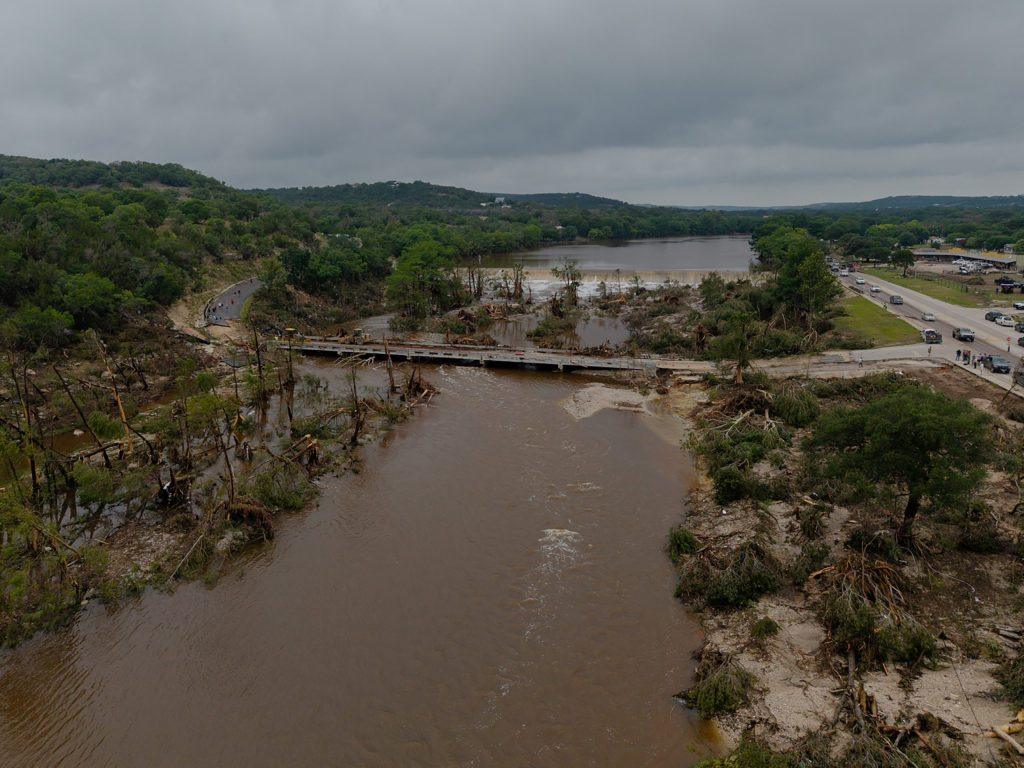
This new requirement was enacted following a tragic event during last year’s July 4 flood in the Texas Hill Country, which resulted in the deaths of 25 campers and two counselors at Camp Mystic. Emergency responders faced difficulties verifying information due to downed phone lines and a lack of cell service at the camp, a situation exacerbated by the region’s already unreliable cellular connectivity.
The lawsuit highlights that the requirement does not account for rural camps where fiber optic internet may not be accessible or may incur costs that are economically unfeasible, as stated in the legal document.
The lawsuit was filed in a state district court in Travis County against the Department of State Health Services and its commissioner, the Health and Human Services Commission along with its executive commissioner, and Attorney General Ken Paxton. Representatives from the Texas Department of State Health Services and the Texas Health and Human Services Commission have refrained from commenting on the ongoing litigation. Efforts to reach the camps’ legal representatives were unsuccessful at the time of reporting.
According to the lawsuit, these camps collectively serve more than 40,000 children each year, underscoring their significance in the community.