






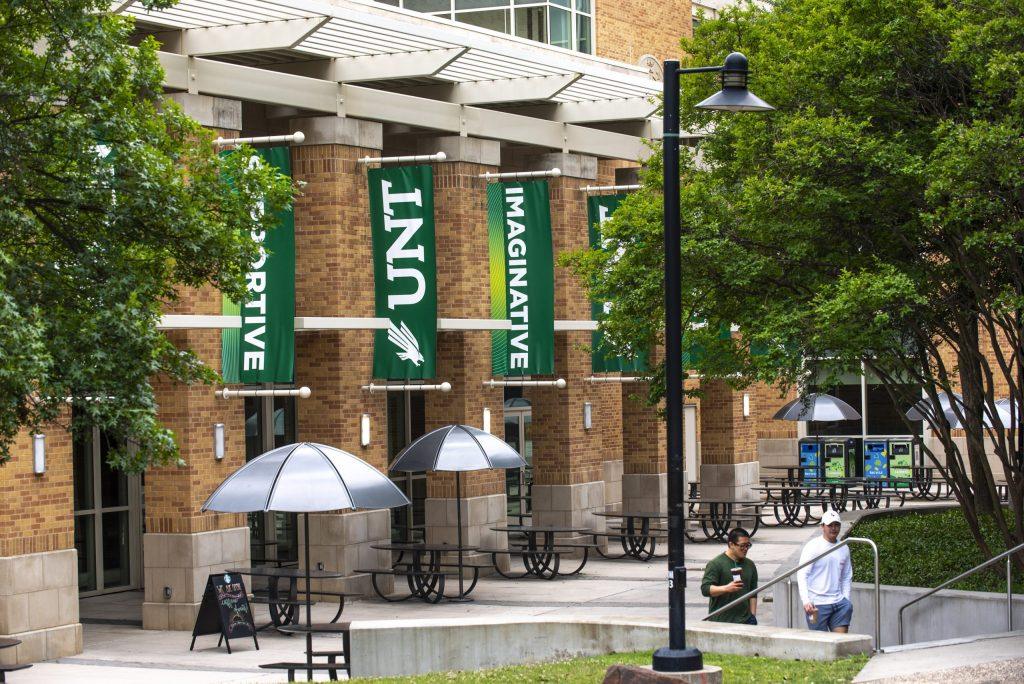
The University of North Texas (UNT) has announced a significant initiative aimed at easing the financial burden on students. Beginning in fall 2026, the university will offer full coverage of tuition and mandatory fees for incoming freshmen from Texas families with an annual income of $100,000 or less.
This program aligns UNT with a growing trend among Texas universities that have established promise programs designed to enhance access to higher education and minimize student debt.
Under the new initiative, eligible freshmen pursuing their first bachelor’s degree at the Denton campus will benefit from a tuition and fee waiver applicable for a maximum of four years, or eight consecutive semesters. University officials estimate that over 3,500 incoming freshmen could qualify for this program in its inaugural year.
According to UNT’s tuition estimator, a full-time, in-state undergraduate enrolling in 12 credit hours can expect to pay approximately $6,000 per semester in tuition and mandatory fees, depending on their chosen major.
In addition to the income threshold, students must either rank in the top 25% of their high school class or qualify for a federal Pell Grant to be eligible for the program.
Students who meet the criteria will be automatically considered for the program without needing to submit an additional application, aside from completing the Free Application for Federal Student Aid (FAFSA) by February 15, 2026. The university encourages prospective students to apply for admission and submit their FAFSA by the end of January to allow sufficient processing time.
Recently, every public university system in Texas has introduced a tuition promise or guarantee program. However, the details, eligibility requirements, and funding sources differ across institutions.
For instance, the University of Texas System’s Promise Plus initiative emerged from a UT-Austin endowment established in 2019, initially covering tuition and fees for in-state undergraduates from families earning up to $65,000. In 2022, the initiative was expanded to include students at all nine institutions within the system, raising the income threshold to $100,000 in 2024. Unlike many other campus-based programs, the UT System’s initiative is not restricted to incoming freshmen.
Other notable programs include the University of Houston’s Cougar Promise and Texas State University’s Bobcat Promise, both of which utilize a combination of federal, state, and institutional aid to cover full tuition and fees for eligible students from middle- to low-income households. These programs primarily depend on income-based criteria and are also limited to incoming freshmen, but do not impose class rank requirements.
The rationale behind UNT’s inclusion of high school class rank as an eligibility factor remains unclear, as does the funding source for the program—whether it will be financed through institutional funds, philanthropic contributions, or another means.