








Exploring Houston’s Historic Theaters and Cinemas
Houston, Texas, known for its rich cultural history, vibrant arts scene, and diverse population, is also home to a fascinating collection of historic theaters and cinemas. These venues have served not only as locations for entertainment but also as cultural hot spots that reflect the city’s evolving identity over the decades. From the glamorous days of silent films to the modern resurgence of live performances, Houston’s theaters tell stories of artistry, community, and resilience.
As the city has grown and developed, so have its theaters. What started as simple vaudeville showcases and silent movie houses have transformed into multi-dimensional venues that cater to diverse audiences and artistic expressions. This article takes a closer look at some of the most historically significant theaters and cinemas, highlighting their architectural beauty, cultural significance, and the role they play in today’s entertainment landscape.
The Birth and Evolution of Theaters in Houston
Origins of Theater Culture in Houston
Theater in Houston has its roots that trace back to the late 19th century when it first began to flourish. Early theaters like the Grand Opera House, built in 1881, made their mark by hosting traveling theater troupes and various entertainments. The architecture of these early venues was a reflection of the popular styles of the time, incorporating elaborate details and grand designs that invited audiences into a world of spectacle.
By the early 20th century, the advent of cinema began to influence the theater landscape. The Majestic Theatre, opened in 1923, was one of the first movie palaces, providing a lavish experience complete with a dramatic façade and intricate interiors. These theaters were designed not just for viewing films but for providing an escape from the everyday life of Houstonians. Showcasing silent films accompanied by live orchestras, these venues quickly became social hubs, where communities gathered to share in the magic of storytelling.
Theaters continued to evolve during the Great Depression, which brought challenges but also innovation. Many theaters began to host double features and promote lower ticket prices to attract larger audiences, adapting to the economic realities of the time. The University Theatre and Princess Theatre were just a handful of venues responding creatively to the changing landscape, showcasing both films and live performances.
The Rise of Revival and New Theatre Movements
As the mid-20th century ushered in a new era, Houston’s theaters began to re-emphasize live performances, creating a renaissance of interest in local arts. Organizations such as Theatre Under The Stars (TUTS), founded in 1968, emerged to enhance the performing arts scene with Broadway-style musicals. This marked a shift toward local productions, which not only entertained but also bolstered community pride.
During the 1980s and 1990s, the rise of multiplex cinemas offered audiences a different viewing experience, leading to the decline of some iconic theaters. However, organizations devoted to historical preservation have worked tirelessly to save these treasures. The Alley Theatre, established in 1947 and known for its commitment to regional theatre, exemplifies how traditional venues adapted by becoming leaders in cultural production.
Today, many of Houston’s historic theaters have undergone significant renovations to modernize while preserving their historic charm. For instance, the Fox Theatre was meticulously restored to its former glory, ensuring that new generations can appreciate its architectural and cultural significance. This seamless blend of the past and present not only invigorates the local economy but also nurtures a sense of identity among residents.
Spotlighting Houston’s Iconic Theaters
The Majestic Theatre: A Jewel of the Past
The Majestic Theatre in downtown Houston is often regarded as one of the finest examples of early 20th-century theater architecture. With its Spanish Baroque design, the theater boasts stunning frescoed ceilings, ornate chandeliers, and intricate tile work that transport visitors back to an era of opulence. Originally built to showcase films, it now serves multiple purposes, from concerts to plays, while maintaining its historical integrity.
A key part of its charm is the Majestic’s interior. Elaborate decorations tell stories, and the venue’s original neon marquee still captures the attention of passersby. The ongoing maintenance and restoration projects signify a commitment to preserve not just the building but also the cultural history it embodies. Beyond its aesthetics, the theater often features a variety of performances that appeal to diverse audiences, ensuring that it remains a vital component of Houston’s cultural scene.
The Alley Theatre: Cultural Institution
The Alley Theatre, a resident theater company founded over seventy years ago, has made a name for itself nationally and locally. Located in the heart of the Theater District, it focuses on producing both classical and contemporary works, fostering a love of theater among Houstonians. The venue itself is a marvel—an intimate setting that allows for an immersive audience experience, making theater accessible and engaging.
A significant part of the Alley’s mission is to promote new plays and new voices. The theatre has been instrumental in launching the careers of various playwrights and creatives, thus contributing to a diverse cultural landscape. Education and outreach programs aim to engage youth and underserved communities, demonstrating a commitment to enriching lives through the performing arts. The Alley Theatre is more than just a place for performances; it is a community hub that brings people together to celebrate the transformative power of storytelling.
The Historic Heights Theatre: A Community Staple
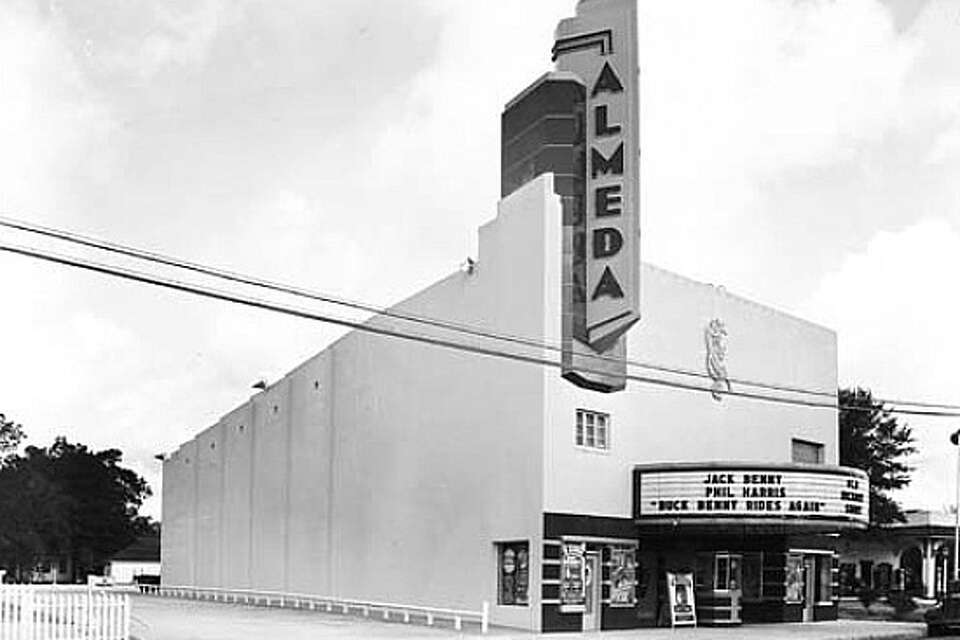
The Heights Theatre, inspired by the art deco style, has a storied past that reflects the changes in Houston’s cinematic tastes. Originally built as a standalone movie house, it became a local favorite for families and couples seeking an evening of entertainment. Over the years, however, it faced challenges with the rise of suburban multiplexes.
Currently, the Heights Theatre has embraced a new identity as a venue for live music and independent films, thus pioneering a movement that champions local artists. With its vintage architecture and retro charm, it serves as a reminder of the city’s cinematic history while adapting to contemporary trends. Its involvement in the community—hosting festivals, live performances, and local screenings—helps maintain a vibrant cultural atmosphere that continues to grow.
The River Oaks Theatre: A Cinematic Gem
Located in the affluent River Oaks neighborhood, the River Oaks Theatre stands as Houston’s last remaining single-screen theater, a nostalgic relic amid a sea of multiplexes. Opened in 1939, it has survived various cinematic eras, adapting its programming to feature a mix of foreign films, classics, and contemporary independent cinema. Its historical architecture and art deco style complement its legacy as a cherished community cinema.
The theater has not only served as a movie-viewing destination but also as a community space for discussions, screenings, and events centered around the love of film. Its classic marquee and intimate setting have given it a cult following, and recent preservation efforts aim to ensure that it continues to serve as a cultural beacon in the community. Events like themed film nights and local filmmaker showcases keep it relevant, bridging the gap between cinema’s past and future.
The Cultural Impact of Historic Theaters
Community Engagement and Education
Houston’s historic theaters are more than just venues; they are key players in community engagement and education. Many of these institutions offer educational programs aimed at introducing the arts to younger generations. Schools and community groups frequently collaborate with theaters to facilitate workshops, summer camps, and after-school programs, instilling a sense of creativity and passion for the performing arts in children.
Events such as Theatre Under The Stars’ summer musical workshops or the Alley Theatre’s youth programs are designed to involve children in the arts, preparing them for future opportunities in performance and production. Such initiatives have not only fostered talent but have also created lifelong memories for families, creating a shared love of performance.
Moreover, many historic theaters actively work towards community outreach, ensuring that everyone has access to the arts. Programs that target underprivileged or underserved communities not only provide free or discounted tickets but also organize special performances that highlight local narratives. This inclusivity expands the audience base and plays a crucial role in building community ties.
Preservation and Restoration Efforts
Given the architectural and historical significance of these theaters, preservation efforts are vital to maintaining their cultural impact. Various organizations, including the Houston Historical Commission, actively collaborate with theater owners to promote restoration and enhancement projects. The aim is not only to uphold the aesthetics and functionality of these buildings but also to ensure they remain relevant in today’s cultural landscape.
Preservation grants and community fundraising events have become common strategies for ensuring these theaters remain operational while respecting their past. The community often rallies around these efforts, highlighting the theaters’ importance not just as entertainment venues but as crucial parts of the local identity.
Recent initiatives have sought to integrate modern technology with historic architecture, ensuring that theaters can compete with newer venues while maintaining their classic charm. Enhanced sound systems, comfortable seating, and improved amenities are all part of a comprehensive strategy that respects the past while innovating for the future.
The Future of Historic Theaters in Houston
Adapting to Modern Trends
As the entertainment landscape continues to change, historic theaters in Houston are adapting to remain vital cultural hubs. Many venues are incorporating technology into their offerings, using social media and digital marketing to engage younger audiences. Online ticket sales, curated virtual events, and live streaming of performances have opened new doors to reach a wider audience.
In response to the pandemic, many theaters have redefined their programming by exploring hybrid models of in-person and virtual performances, creating safe environments while ensuring continued patronage. This adaptability not only meets current safety standards but also aligns with changing consumer preferences, showing that traditional venues can thrive amidst contemporary demands.
Moreover, the trend toward *experiential dining and entertainment* has influenced how theaters approach their services. Some historic venues are exploring options like “dinner and a show” or special themed events, responding to the millennial and Gen Z audiences that value unique experiences. By integrating gastronomic components, theaters are enhancing the overall experience for visitors and creating memorable evenings.
A Legacy of Cultural Significance
The legacy of Houston’s historic theaters is far-reaching, affecting generations of residents and visitors. These venues have been monumental in shaping the city’s cultural identity, offering spaces for creativity, performance, and community engagement. Beyond the performances that resonate with audiences, these theaters encapsulate stories of resilience, change, and cultural richness that continue to be relevant today.
Furthermore, as Houston continues to grow, the commitment to preserving these theaters remains crucial. Each restoration not only revives a building but reawakens a piece of history that connects past generations with present and future audiences. The cultural narrative interwoven within these walls enriches the community, fostering a deeper understanding of the arts and the power they hold in society.
As Houston looks to the future, the responsibility lies with both the public and private sectors to ensure that these historic theaters are not only preserved but thrive as centers of cultural exploration and artistic expression. In embracing both innovation and tradition, Houston’s theaters will continue to shine brightly, enhancing the city’s vibrant tapestry of art and culture for generations to come.