









The British zombie series receives a revitalizing boost with the introduction of a new American director.
In a remarkable feat, Nia DaCosta has managed to both reboot the Candyman franchise and reinterpret Henrik Ibsen through a contemporary lens, proving her versatility as a filmmaker. Her adaptation of Hedda has been highlighted throughout various discussions of 2025’s cinematic landscape. With a unique blend of contemporary horror and classical theater, DaCosta demonstrates a remarkable range of storytelling, and her direction in The Marvels received a more favorable reception than many critics suggested.
When it was announced last summer that DaCosta would helm the latest installment of the 28 Years Later zombie saga, there was a sense of optimism. However, her vision for 28 Years Later: The Bone Temple exceeded all expectations. This latest entry stands out as the finest in the series, emphasizing atmosphere and character development while still delivering the thrilling elements that define the genre.
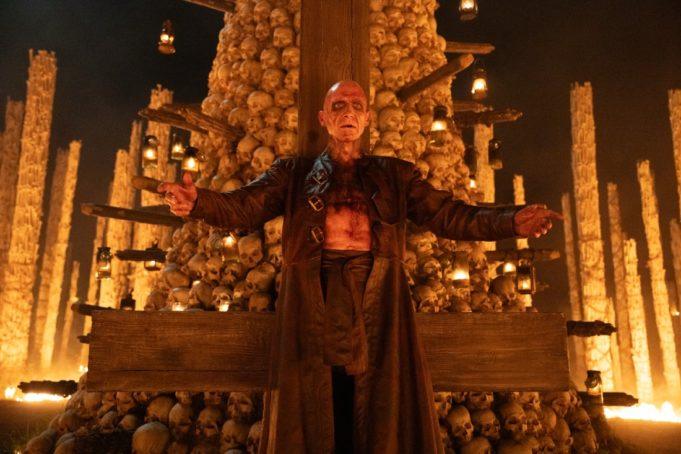
The narrative picks up with Spike (Alfie Williams), who finds himself under the control of an evangelical zombie hunter named Sir Lord Jimmy Crystal (Jack O’Connell), a menacing figure indeed. He refers to his followers as “Jimmy,” forcing Spike into a deadly confrontation with one of his disciples. In an unexpected turn, Spike triumphs, killing his opponent, and earns the grim reward of taking the deceased’s place among the cult, where he witnesses the brutal torture of uninfected survivors.
Returning screenwriter Alex Garland crafts a chilling antagonist in Sir Lord Jimmy, who claims to be the messenger of a Satanic deity he calls “Old Nick.” O’Connell’s portrayal is a stark contrast to his previous role as a head vampire in Sinners. This time, he embodies a different kind of monster—gruff, bearded, and adept at manipulating the traumatized youth under his influence. British audiences may also catch echoes of Sir Jimmy Savile in his performance, a notorious figure whose crimes remained unchecked for decades. This cult-like demeanor adds depth to the film’s narrative.
Simultaneously, we learn about Dr. Ian Kelson (Ralph Fiennes), whose passion for Duran Duran provides a backdrop to his survival journey. DaCosta skillfully contrasts the upbeat music with Kelson’s attempts to rehabilitate a large, shaggy zombie he names “Samson” (Chi Lewis-Parry). The storylines converge when one of the Jimmys (Erin Kellyman) misinterprets Kelson’s pacifying actions with morphine-tipped darts as him embodying Old Nick. This misunderstanding leads to a standout moment in the film, as the doctor, in a dramatic display, convinces the other Jimmys of his identity by blasting “The Number of the Beast” and orchestrating a pyrotechnic spectacle reminiscent of Iron Maiden. This scene not only injects levity into an otherwise grim narrative but also critiques how easily the followers are swayed by theatrical illusions.
However, this shift in focus does leave Spike somewhat sidelined for a significant portion of the film. Nonetheless, The Bone Temple successfully expands the universe of 28 Years Later while remaining true to its established characters. Spike’s journey continues, shaped by his encounters with both Kelson and Sir Lord Jimmy. With DaCosta at the helm, there is much to be hopeful about for the future of this franchise.
28 Years Later: The Bone Temple
Starring Ralph Fiennes and Jack O’Connell. Directed by Nia DaCosta. Written by Alex Garland. Rated R.