









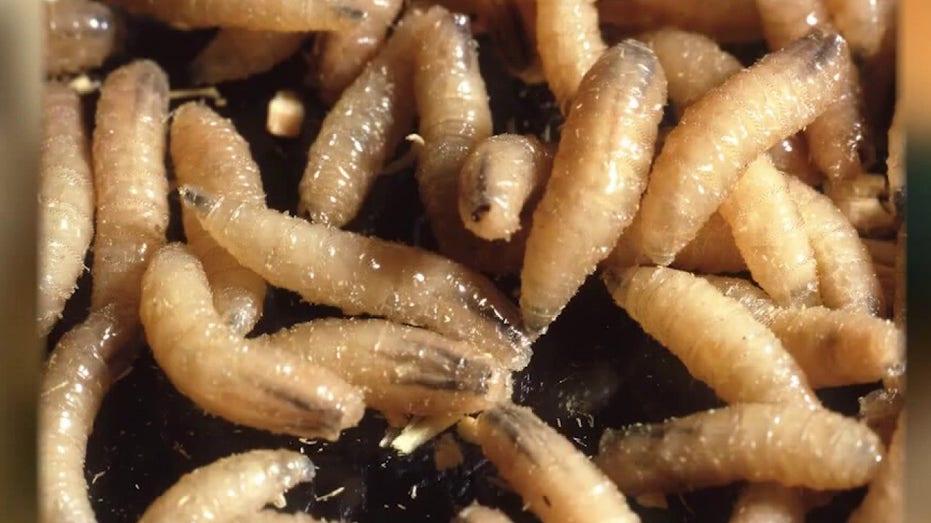
The U.S. Department of Agriculture has reported a significant increase in infestations of the New World screwworm across Texas, New Mexico, and Arizona, with confirmed cases reaching 128 animals. This surge is particularly alarming given that 42 new cases in domestic livestock and pets were identified in just the first 11 days of November.
This parasitic outbreak, which has been especially pronounced this fall, has prompted officials to implement animal movement restrictions and establish checkpoints to mitigate further spread. However, the timeline for containing the outbreak remains uncertain.
Recent data from the USDA’s Animal and Plant Health Inspection Service indicates a rapid escalation in infestations over the past six weeks. In August, only four domestic cases were reported, with three additional cases in September. This number skyrocketed to 33 in October, and the alarming trend continued into November with 42 new cases confirmed.
Of the 128 confirmed infestations since the outbreak began on June 3, 126 involve domestic animals, including cattle, horses, sheep, goats, and dogs. Additionally, two wild elk were identified in Pecos and Jeff Davis counties in West Texas.
Recent detections were reported between November 6 and November 11 across all three affected states. In Texas, cases have emerged in Reagan and Hudspeth counties involving cattle, a horse in Bandera County, sheep in Val Verde County, and a dog in El Paso County. In New Mexico, cattle were found infected in Luna County, and a horse in Otero County was also affected. Arizona reported a horse case in Cochise County.
Understanding the New World Screwworm
The New World screwworm is a parasitic fly whose larvae invade the open wounds of warm-blooded animals, consuming living tissue. If left untreated, these infestations can lead to severe tissue damage and may be fatal for livestock, wildlife, and pets. Symptoms of infection include:
- Irritated or lethargic behavior
- Loss of appetite
- Head shaking
- Odor of decaying flesh
- Presence of fly larvae in wounds
- Isolation from other animals
In response to the outbreak, both state and federal animal health officials are enforcing strict animal movement restrictions and inspection checkpoints throughout affected areas in New Mexico, Arizona, and parts of 21 Texas counties. Ranchers and pet owners are encouraged to conduct daily inspections of their animals for any signs of drainage or larvae in wounds and report any suspected cases to state veterinarians immediately.