






In his latest cinematic endeavor, Mother Mary, director David Lowery ambitiously tackles an array of themes, intertwining the complexities of friendship overshadowed by fame, body horror, and a commentary on the nature of pop stardom. The film also serves as a metaphysical exploration of the afterlife and a glimpse into the frantic world of fashion design, all while evoking the surreal experience of a Taylor Swift concert through a psychedelic lens. While it may not fully succeed in all its aspirations, the film’s distinctively nightmarish qualities elevate it above other contemporary portrayals of pop icons.
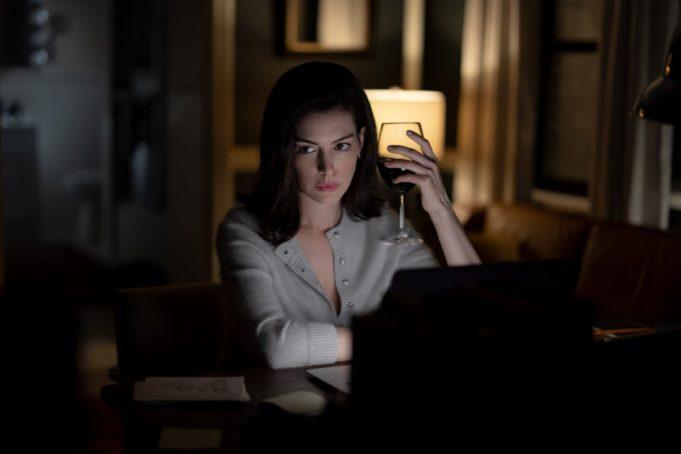
The narrative unfolds on a rainy day as pop star Mother Mary, portrayed by Anne Hathaway, unexpectedly arrives at the English countryside studio of her former best friend and costume designer, Sam Anselm, played by Michaela Coel. More than a decade after a traumatic fall from a concert stage, Mary is gearing up for a comeback but is dissatisfied with the garments prepared for her tour. She seeks Sam’s assistance to create a new outfit, giving her less than 72 hours to fulfill the request.
Their relationship is strained; Mary had already distanced herself from Sam prior to her fall. Now, with Sam having established her own reputation in the fashion world, she is reluctant to help, leading to a series of overwritten dialogues where she reflects on the challenges of living in a celebrity’s shadow. Interestingly, Coel is currently featured in another film that offers a more profound examination of an artist grappling with the consequences of fame.
The film truly ignites when Mary performs a dance routine for Sam. It’s clear that Hathaway is fully committed, executing the choreography with an intensity that raises concerns about her ability to sing simultaneously. This moment not only showcases Hathaway’s impressive skills but also shifts the focus away from Sam’s passive-aggressive demeanor towards Mary’s struggles. Lowery’s unique style adds an element of weirdness that, while inconsistent, contributes to some of the film’s most striking scenes.
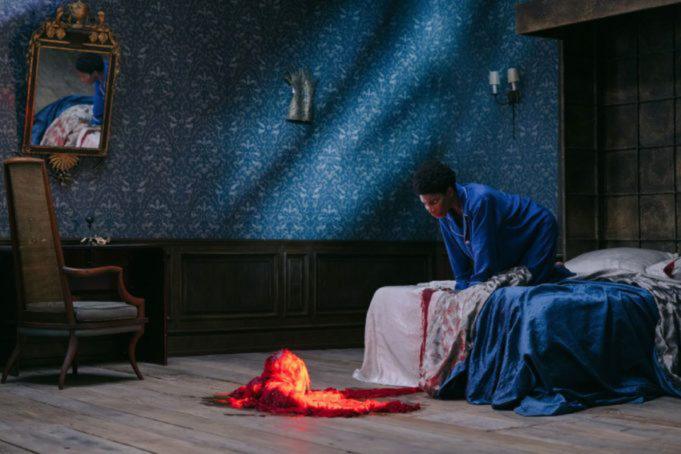
Throughout the film, flashbacks occur in what appear to be adjoining sets of Sam’s workshop, with the characters observing their younger selves. The ghostly presence manifests as a large piece of red fabric, while Mary’s recounting of her own ghostly encounter unfolds on stark black stages reminiscent of Under the Skin, as well as on bustling concert stages that could easily fit into a sequel to Smile. Lowery’s references span from The Bitter Tears of Petra von Kant to Moulin Rouge! and In Fabric, making the film a treat for cinema enthusiasts.
However, the film’s musical component does not quite match its visual artistry. Mother Mary presents herself in angelic attire adorned with halos while delivering dark, twisted lyrics about toxic love—a concept that costume designer Bina Daigeler executes more effectively than the film’s score. Despite contributions from prominent artists like Jack Antonoff, Charli XCX, and FKA twigs, who plays a fan that invokes the ghost in Mary’s life, songs such as “Burial” and “Blue Flame” do not meet the expectations set by their premise.
While the visual elements of Mother Mary are commendable, Lowery’s focus on multiple narrative threads ultimately prevents the film from coalescing into a cohesive whole. Mary’s delayed apology to Sam feels like a rushed conclusion, and the supernatural elements fail to evoke the intended sense of wonder or horror. Lowery’s cinematic talent is evident throughout, and while the film resonates with his distinct style, it leaves viewers with the impression of a lackluster pop album from an artist capable of much more.
Mother Mary
Starring Anne Hathaway and Michaela Coel. Written and directed by David Lowery. Rated R.