









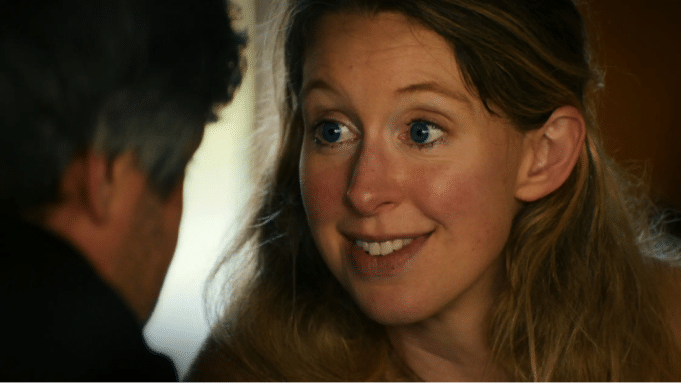
Nathan Fielder’s latest documentary, “You Can See Everything,” offers a riveting yet deeply unsettling exploration of the life of Elizabeth Holmes, the former CEO of Theranos, and her husband, Billy Evans. This film, which debuts this weekend in a greater number of Tarrant County theaters than is typical for documentaries, has the potential to be hailed as one of the best films of the year, if not the decade.
The documentary captures a significant moment in Holmes’ life, chronicling the 34 days leading up to her incarceration at a federal penitentiary in Bryan, Texas, where she is to serve an 11-year sentence for defrauding investors. Fielder, along with documentarian Lance Oppenheim, embeds himself with the couple and their two children at their San Diego beach house, offering an intimate glimpse into their world during this critical period.
Throughout the film, Fielder artfully confronts the self-deceptions of both Holmes and Evans. Despite the overwhelming evidence of wrongdoing, they maintain a facade of innocence, asserting that Theranos operated exactly as intended. Fielder’s insightful questioning often reveals the absurdity of their claims, such as when he presents Holmes with misleading promotional materials from Theranos and challenges Evans’ understanding of the situation.
One particularly telling scene has Holmes struggling to prepare scrambled eggs for her children, illustrating her disconnection from everyday tasks. Evans steps in to correct her, foreshadowing his controlling nature, while Fielder further probes Holmes’ comprehension of humor by showing her a classic Abbott and Costello sketch, which she fails to grasp. This moment raises questions about her perspective and whether it hints at broader issues, such as being on the autism spectrum.
The documentary reaches a new level of complexity about an hour in, when it shifts to 2025. Fielder invites actress Amanda Seyfried, who portrayed Holmes in the Hulu series “The Dropout,” to watch footage of Holmes observing Seyfried’s performance. This meeting leads to a unique collaboration where Seyfried reenacts scenes from the series, deepening the exploration of Holmes’ character and motivations.
As the film unfolds, it delves into the intricate layers of documentary storytelling, with Fielder directing Seyfried to embody the Elizabeth Holmes he encountered. This leads to poignant scenes that challenge viewers’ perceptions of both the real and portrayed characters. The film culminates in a tense dinner scene with the real Billy Evans, where his true nature is laid bare, revealing a man who claims to know his wife intimately while simultaneously asserting control over her finances and decisions.
Evans’ behavior becomes increasingly alarming as he threatens Seyfried and expresses a chilling sense of power following Holmes’ imprisonment. His remarks about her supposed newfound health and fitness, along with his threatening demeanor, paint a troubling picture of his character. Seyfried’s candid reaction to Evans’ erratic behavior adds to the film’s tension, leaving the audience to grapple with the implications of his actions.
By immersing themselves in the lives of these deluded individuals, Fielder and Oppenheim transcend traditional access journalism. They do not merely present a case study of ambition gone awry; they redefine the boundaries of documentary filmmaking. “You Can See Everything” is a significant contribution to the genre, evolving the narrative form and offering insights that resonate far beyond its runtime.
In summary, “You Can See Everything” is not just a documentary; it is an event in cinema that challenges and expands the way we understand storytelling in nonfiction. With its powerful themes and complex character portrayals, it promises to leave a lasting impact on its viewers.
You Can See Everything
Starring Nathan Fielder and Elizabeth Holmes. Directed by Nathan Fielder and Lance Oppenheim. Rated R.