







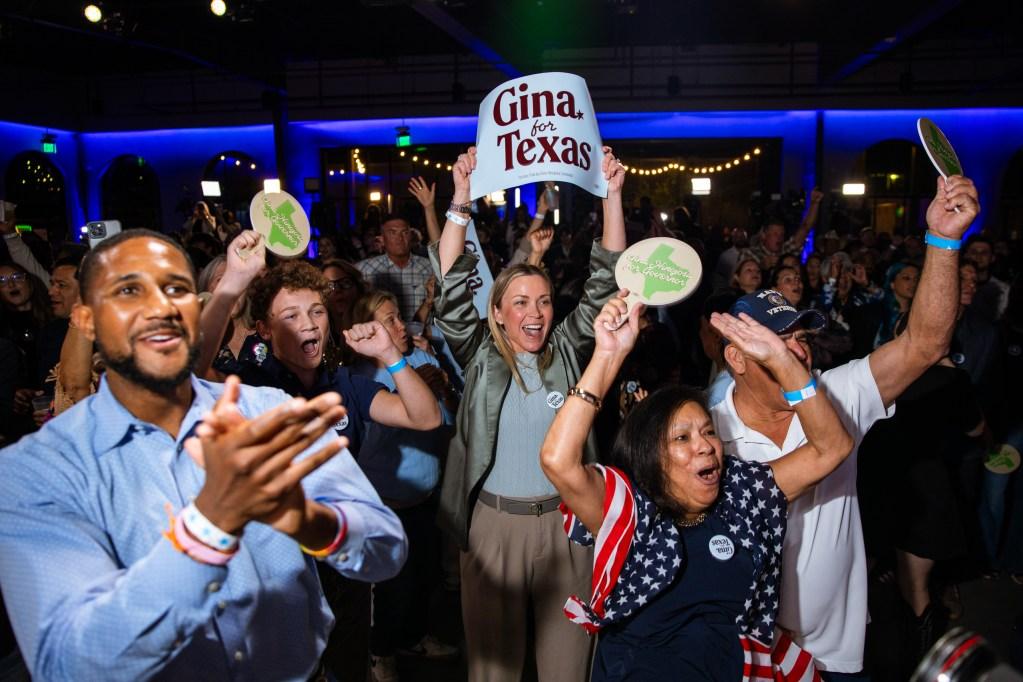
The election cycle has concluded, but the journey to hold Texas officials accountable is just beginning. The political landscape has undergone a dramatic shift, signaling a new era for governance in the Lone Star State.
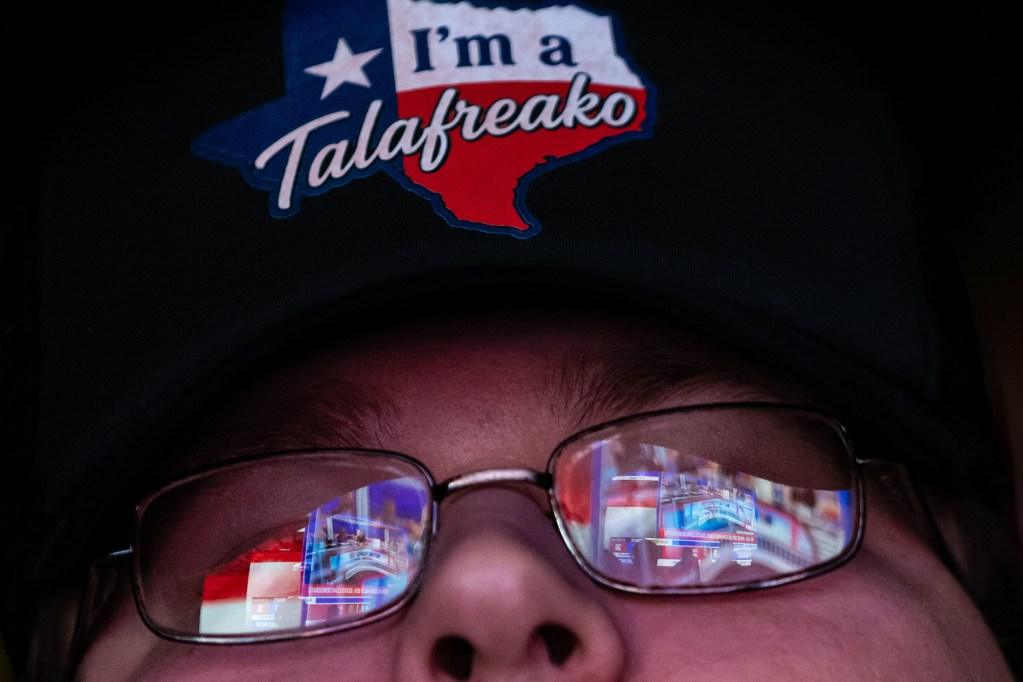
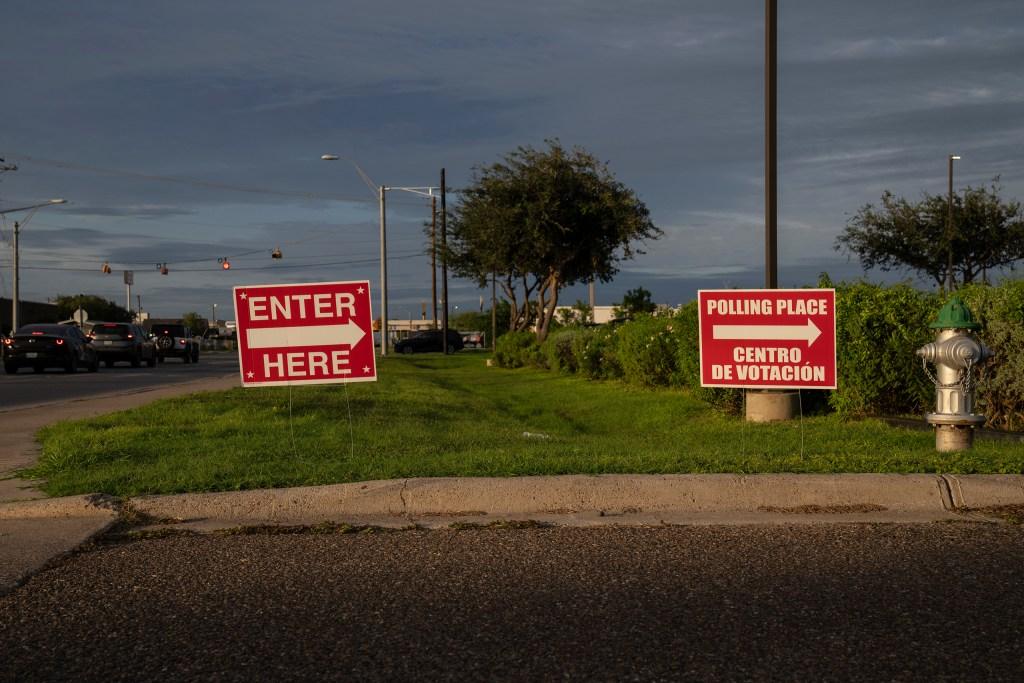
On Tuesday night, Texas experienced a significant political upheaval, as Democrats made unprecedented gains, effectively ending the longest statewide political dominance of any party in the nation. Fueled by widespread dissatisfaction with President Donald Trump, Democratic candidates won seats they had not contested successfully in decades, despite substantial financial backing for their Republican opponents.
In a surprising turn of events, Governor Greg Abbott, regarded as one of the most powerful governors in Texas history, was ousted by Gina Hinojosa. Attorney General Ken Paxton, who had previously withstood impeachment and indictment, lost his bid for the U.S. Senate to James Talarico. Even Lt. Governor Dan Patrick, a formidable figure in the Texas Senate, was defeated by a relatively unknown state representative. Furthermore, Republicans lost the attorney general’s office, a crucial conservative legal position, while the newly drawn congressional map resulted in a net loss of one seat for the party.
As dawn broke on Wednesday, the primary concern was whether Democrats would secure control of the Texas House and by what margin.
The aftermath reveals Texas’ first divided government in decades, presenting a new challenge for Democrats who must now navigate the complexities of governing a state that has evolved into the eighth-largest economy globally since they last held significant power in the 1990s. Meanwhile, Republicans face the daunting task of regrouping and redefining their strategy moving forward.
Both parties are grappling with a sense of shock that has enveloped the Texas political sphere. The results reflected a national trend, representing a significant rejection of Trump and his administration’s policies. Texas, which has historically resisted Democratic waves, saw Republicans take considerable risks this election cycle, such as nominating Paxton for the Senate despite his controversies and running Bo French, whose past social media posts raised eyebrows.
Democrats, having often fallen short of expectations in previous elections, felt a sense of optimism this year. Talarico consistently led Paxton in polling, bringing gubernatorial candidate Hinojosa and the statewide ticket closer to their Republican rivals than anticipated. For the first time in recent history, Democrats fielded candidates in every race, setting the stage for potential upsets.
However, the scale of Tuesday’s results took both sides by surprise, marking a complete transformation of statewide political control not seen since Reconstruction.
Jason Villalba, a former moderate Republican and head of the Texas Hispanic Policy Foundation, had initially forecasted a more competitive landscape for Democrats. As the night progressed, he adjusted his predictions, ultimately underestimating the extent of the Republican losses.
“I thought I had a good grasp on the situation, but I was caught off guard in a way I never expected,” Villalba remarked. “This sentiment resonates across both parties.”
“It’s a new day,” he added, expressing uncertainty about what the future holds.
In a notable upset, Mayes Middleton, a wealthy oil and gas executive and conservative state senator, was expected to secure the attorney general position. He had heavily self-funded his campaign, promoting himself as “MAGA Mayes,” yet he remained largely absent during the general election. In contrast, his opponent, state Senator Nathan Johnson, managed to raise enough funds for targeted ads that emphasized a shift in focus toward the agency’s administrative functions. Johnson also criticized Middleton’s allegiance to Trump, a contentious point in a state that overwhelmingly supported the former president.
On election night, Middleton conceded to Johnson, marking a seismic shift in the leadership of the Texas attorney general’s office, with implications that could reverberate through the conservative legal movement nationally.
“No one foresaw this outcome. Middleton was considered a solid candidate, which speaks volumes about the larger issues at play,” said GOP consultant Brendan Steinhauser. “This is indicative of a shift beyond individual candidates or specific races.”
The election served as a clear rejection of Trump’s recent policies, with rising grocery and gas prices hitting the Republican brand particularly hard. Additional factors, including foreign conflicts and immigration enforcement, contributed to the party’s struggles in various states.
“Voters expressed their frustrations,” noted state Senator Bryan Hughes. “However, these issues are largely out of Texas leaders’ control.”
Villalba emphasized that the state GOP’s alignment with the national MAGA movement over the past decade has contributed to their current predicament. As a moderate Republican feeling increasingly alienated within his party, he hopes this electoral rebuke will prompt a reevaluation of their loyalty to Trump.
“While I don’t expect a return to Bush-era conservatism, I hope we can collectively agree that blatant racism and unfiltered populism are not viable strategies,” he stated. “Ceding authority to one individual has led to this situation.”
Steinhauser suggested that Republicans should consider the possibility that many voters stayed home or crossed party lines in rejection of Trump’s influence. The alternative—that a significant increase in Democratic voters occurred—would imply a more durable shift in future elections.
Interestingly, not everyone agrees on the reasons behind the election outcomes. One individual attributes the results to Texas Republicans straying from MAGA principles. “If Greg Abbott hadn’t become a RINO in the last six months of his political career, he wouldn’t have lost,” Trump stated on social media after the election. “He reverted to his original approach, and it wasn’t pretty!”
The last time Democrats held such a majority in statewide offices, Talarico was in kindergarten. For the past three decades, the party has primarily focused on mitigating the impact of right-wing legislation and forming uneasy coalitions with more moderate Republicans.
Now, however, the landscape has shifted dramatically.
Governor Hinojosa will wield executive power, enabling her to call special legislative sessions, make appointments, and veto legislation she finds objectionable. Meanwhile, Lt. Governor Vikki Goodwin will oversee the Senate, a position previously held with significant authority by Dan Patrick. Although Republicans are expected to retain a majority in the Senate, discussions are already underway about limiting Goodwin’s influence on key legislative matters.
As attorney general, Johnson has the authority to reverse the state’s stance on contentious lawsuits initiated by Paxton or to join other Democratic-led states in legal challenges against the federal administration. This role carries significant weight, as the agency has a history of engaging in high-profile litigation.
Comptroller Sarah Eckhardt will oversee the state’s finances, including a billion-dollar school voucher program that Democrats opposed. Agriculture Commissioner Clayton Tucker will be responsible for programs aimed at supporting farmers and shaping policy concerning data centers and rural Texas.
These historic victories are set to reshape Texas’ political landscape dramatically. Nevertheless, Texas remains a conservative stronghold, with entrenched Republican power structures that will require more than one election cycle to dismantle. Many newly elected candidates campaigned on promises of moderation, leaving them to navigate whether to uphold those commitments or interpret the election results as a broader endorsement of their party.
Hinojosa has indicated her willingness to collaborate with the party that invested heavily in efforts to keep her out of office. “We did not end one era of single-party rule to usher in another,” she stated at the Texas Tribune Festival in September.