








The Rise of Urban Farming in Texas
With urban populations growing and the need for sustainable food sources escalating, urban farming has taken root across Texas. From chic rooftop gardens in Austin to vibrant community plots in Houston, the Lone Star State is witnessing a proliferation of green spaces that not only provide food but also foster community resilience. As climate change pressures agriculture and supply chains face disruptions, urban farming emerges as a vital solution that promotes biodiversity, fosters local economies, and enhances food security.
Across Texas, diverse communities are embracing the concept of turning vacant lots, backyards, and rooftops into productive farms and gardens. This shift not only reflects changing societal values towards sustainability but also highlights innovative approaches to food production in urban settings. The trend is not simply a reaction to modern challenges but rather a proactive measure to reclaim urban spaces for agriculture and community building.
Defining Urban Farming
Urban farming refers to the practice of cultivating, processing, and distributing food in urban areas. It includes various forms of practice, from community gardens and vertical farms to hydroponics and aquaponics setups. In Texas, these farms can serve many purposes, such as supplying fresh produce to local residents, providing educational opportunities, and encouraging the development of food justice initiatives.
Participants in urban farming often span a broad demographic spectrum, including families, retirees, and young professionals. This inclusivity is essential as it enables diverse groups to engage with their local food systems and contribute to sustainable practices. Urban farms can also boost the local economy by providing jobs, supporting local businesses, and reducing reliance on cumbersome supply chains. With localized food production, urban farms increase access to fresh produce while building stronger, healthier communities.
Types of Urban Farms in Texas
Texas is home to a variety of urban farms that adapt in innovative ways to reflect the interests and needs of their surrounding communities. Each type plays a unique role in the broader landscape of urban farming, and understanding these differences can help community members effectively engage and support local initiatives.
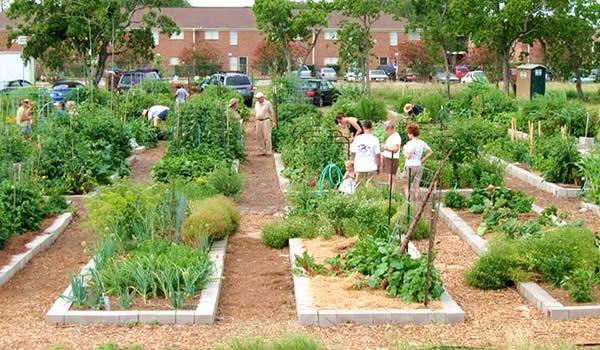
- Community Gardens: These shared plots of land allow residents to cultivate fruits, vegetables, and flowers collectively. Community gardens create inclusive spaces for neighbors to come together and build relationships while learning about agriculture.
- Rooftop Gardens: In bustling urban areas where ground space is limited, rooftop gardens are gaining traction. They maximize unused spaces on buildings, offering fresh produce while promoting energy efficiency and reducing heat island effects.
- Vertical Farms: These high-tech farms utilize stacked layers to grow crops, often in controlled environments. By innovating traditional farming methods, vertical farms can produce significant yields without requiring large areas of land.
- School Gardens: Educational institutions are increasingly incorporating gardens into their curricula, teaching students about food sourcing and sustainability. School gardens can serve as outdoor classrooms and provide fresh produce for lunch programs.
Community Impact of Urban Farming
The impact of urban farming ripples through communities in Texas, cultivating social connections and encouraging civic engagement. While the focus is often on food production, the benefits extend far beyond just filling plates. Urban farms contribute to increasing local food sovereignty, meaning communities can take control of their own food sources and become less reliant on external suppliers.
These farms also play a crucial role in reducing food deserts in Texas, areas characterized by limited access to affordable and nutritious food. By offering fresh produce within neighborhoods, urban farms can significantly improve diet quality and promote healthier eating habits among residents. Programs that link local farmers with under-resourced areas not only ensure food access but also help reduce food waste, since produce is sold close to where it is grown.
One subjective benefit of urban farming is its power to unite diverse groups within communities. Farms often serve as gathering spaces where people come together to learn about agriculture, participate in workshops, or simply enjoy the natural beauty of green spaces. For many, these interactions represent the heart of the community, fostering a sense of belonging that can transcend cultural and socioeconomic boundaries. In essence, urban farming helps build resilient communities that are better prepared to face social and environmental challenges.
Environmental Benefits of Urban Farming
Urban farming is deeply intertwined with environmental stewardship. In Texas, where agriculture faces the challenges of climate variability and water scarcity, urban farms offer sustainable practices that can mitigate some of these pressures. They promote biodiversity by creating habitats for pollinators, birds, and other wildlife, enhancing ecological balance in urban settings.
Moreover, urban farms can significantly reduce carbon footprints associated with food production. By shortening supply chains and decreasing transportation emissions, localized food systems contribute to greener cities. Urban gardens also help to manage stormwater, reduce urban heat, and improve air quality as plants absorb carbon dioxide, nitrogen oxides, and particulate matter while releasing oxygen.
Another compelling environmental aspect of urban farming is its emphasis on organic practices. Many urban farms in Texas prioritize organic growing methods, which eliminate harmful pesticides and fertilizers, fostering healthier soil and preserving local ecosystems. Sustainable practices—such as composting, rainwater harvesting, and crop rotation—are often fundamental principles of urban farms, making them models of responsible cultivation that communities can adopt.
The Challenges Ahead
Despite their many benefits, urban farming initiatives face several challenges as they try to establish themselves across Texas. Zoning regulations and land use policies often favor commercial development over agricultural endeavors. In some cities, these regulations can act as barriers, making it difficult for new urban farms to gain the necessary permits or funding.
Access to land is another significant hurdle. With real estate prices soaring in metropolitan areas, aspiring urban farmers may struggle to find affordable parcels on which to cultivate crops. This issue often forces potential farmers to look towards creatively repurposing underutilized spaces, such as vacant lots or existing public land, which may come with its own set of challenges.
Networking and educational opportunities also play crucial roles in the success of urban farming initiatives. Many Texas urban farmers, particularly those who are new to agriculture, can greatly benefit from mentoring, workshops, and community dialogue that address practical aspects of starting and maintaining urban farms. Specialized training on organic practices, pest management, and marketing strategies can empower them to thrive amidst the myriad challenges that often accompany urban agriculture.
Success Stories: Urban Farms in Texas
Across Texas, several inspiring urban farming initiatives illustrate the potential this movement holds. These pioneering farms successfully blend agriculture with community development, each bringing its unique flavor to the local landscape. Their accomplishments stand as testimonials of what urban farming can achieve.
One notable success story is the Guerilla Gardeners of Austin, a grassroots organization focused on transforming neglected public spaces into productive gardens. Through community workshops and volunteer days, they not only cultivate diverse crops but also empower residents to reclaim their neighborhoods and foster pride in local stewardship.
In Houston, Bridging the Gap operates an innovative program combining urban farming with food education. Their farms focus on teaching marginalized communities about nutrition and self-sufficiency, dispelling myths surrounding urban food systems, and focusing on holistic health. They grow a variety of cultural crops while also hosting cooking classes and gardening workshops.
Moreover, 4th Street Farms in San Antonio exemplifies a model for social entrepreneurship. By producing organic vegetables and fruits in a friendly environment, the farm connects with local restaurants and markets, helping to build a sustainable business model. Their commitment to employing marginalized community members further underscores the social impact of urban farming.
The Future of Urban Farming in Texas
As the demand for local and sustainable food sources continues to grow, urban farming in Texas is poised for promising expansion. The movement is increasingly viewed as essential to addressing food insecurity, enhancing biodiversity, and preparing cities for the impacts of climate change. Local governments, non-profits, and residents alike are beginning to recognize the importance of supporting these initiatives through policy changes, funding, and community engagement.
Innovations in agricultural practices, particularly the integration of agri-tech solutions, may also shape the future landscape of urban farming in Texas. As technology continues to evolve, urban farmers may employ drones for crop monitoring, advanced irrigation systems for water conservation, and smart sensors to optimize growing conditions, thereby enhancing productivity while minimizing resource use.
Furthermore, educational programs aimed at equipping the next generation of urban farmers will be critical. By instilling a sense of responsibility towards local food systems in schoolchildren, urban farming can contribute to a culture of sustainability that ensures future food resilience. Various institutions are stepping up, offering workshops, mentorship programs, and hands-on experiences that tap into students’ interests and passion for agriculture.
Getting Involved in Urban Farming
For those interested in contributing to the urban farming movement in Texas, involvement is accessible in numerous ways. Joining a community garden, enrolling in a local farm workshop, or volunteering at a city farm are excellent starting points. As community members become active participants, they cultivate not only crops but also connections with their neighbors.
Additionally, engaging with local urban farming organizations can provide invaluable insights into agriculture and sustainability. Many of these groups actively share resources and encourage collaboration, fueling the growth of initiatives that resonate with their missions. Whether attending an urban farm event, participating in fundraising efforts, or promoting local produce, individuals can become advocates for a thriving local food system.
With growing interest and commitment among Texans, urban farming holds the promise of transforming urban landscapes into thriving hubs of food production and community-building. The burgeoning movement is not merely about growing food; it’s about cultivating a sense of belonging, ownership, and sustainable practices that reverberate through the heart of Texas cities.