







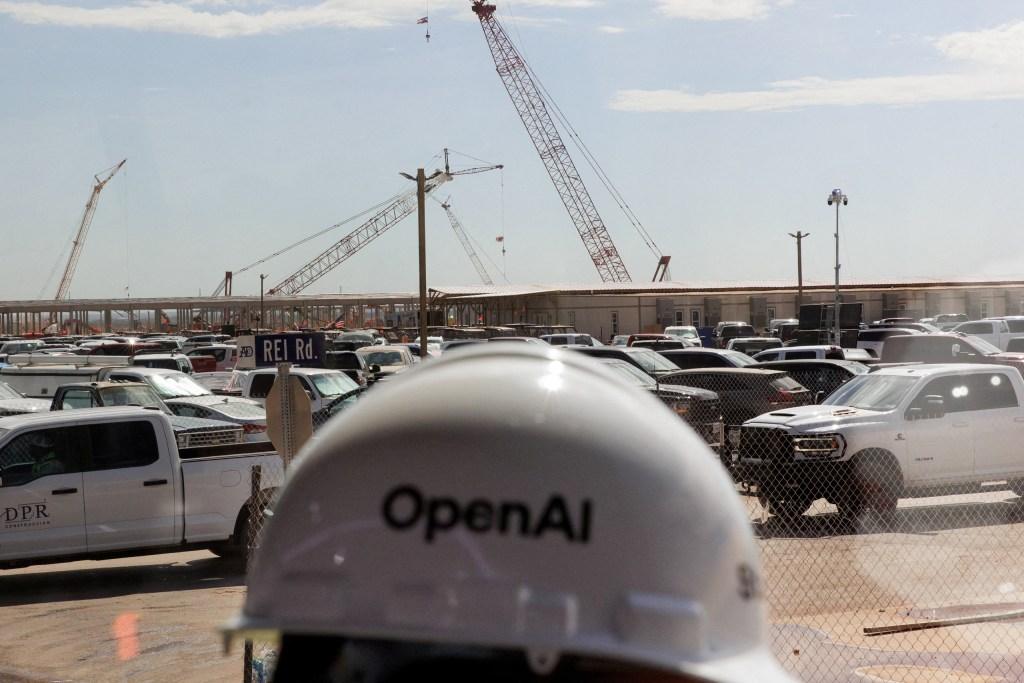
Texas is on track to become the leading state for data centers in the United States within the next three years, driven by the rapid expansion of artificial intelligence technology, according to a recent report released on Tuesday.
Bloom Energy, a California-based firm specializing in onsite power generation for energy-intensive data centers, predicts that the electricity demand from these facilities in Texas could surpass 40 gigawatts by 2028. This projection is based on a survey conducted over the past year involving electric utilities and data center developers.
In 2025, data centers in Texas exhibited a peak power demand of approximately 8 gigawatts, in contrast to the state’s overall grid peak, which reached 94 gigawatts, as reported by the Electric Reliability Council of Texas (ERCOT). For context, one gigawatt can power around 700,000 homes for a year.
Currently, Texas is home to about 387 data centers, with companies attracted to the state by its low natural gas prices, ample land availability, and a regulatory environment that favors natural gas power development.
The growth trajectory for data centers in Texas is expected to outpace that of any other state in the nation in the coming years, allowing Texas to surpass markets like Oregon and California, which impose stricter regulations on new gas power generators.
Data centers are also increasing in size. By 2030, it is anticipated that 20% of data centers will require more than 1 gigawatt in maximum energy demand, and by 2035, this figure is projected to rise to one-third of all data centers.
Nationwide, data centers reached a maximum energy demand of about 80 gigawatts in 2025, with expectations of growing to 150 gigawatts by 2028. This rapid expansion is leading to challenges, particularly as developers’ expectations for power connections often clash with the timelines provided by utility companies. Many Texas developers indicated a desire to connect to the grid a year earlier than utilities anticipate having the necessary power available.
The gap between power providers and data center developers continues to widen, exacerbated by increasing demand.
The report emphasizes, “Power can no longer be treated as a downstream consideration. Operators that continue to plan projects around traditional grid assumptions risk falling behind on both schedule and scale.”
To address these challenges, an increasing number of data centers are opting for onsite power generation, such as the fuel cells developed by Bloom Energy or natural gas power plants. By 2030, it is estimated that about one-third of all data centers will incorporate onsite power generation.
Aman Joshi, chief commercial officer at Bloom Energy, remarked, “Grid power is not easily available at all, and prices have gone up. As you think about onsite generation, no matter where you are in the U.S., 100% of onsite generation is largely happening with natural gas, and Texas certainly has a lot of access to gas.”