








The recent elections have concluded, but the journey to ensure accountability among Texas officials is just beginning. The focus now shifts to seeking the truth behind the outcomes.
In the small town of Burke, Bobby Dean, a lifelong resident of East Texas, was still processing the results over lunch with a friend. Located in a region that encompasses nearly 800,000 people, East Texas stretches from Texarkana at the Texas-Arkansas border through Lindale, the hometown of Miranda Lambert, to the lush pinewood forests that birthed Texi-Cajun cuisine.
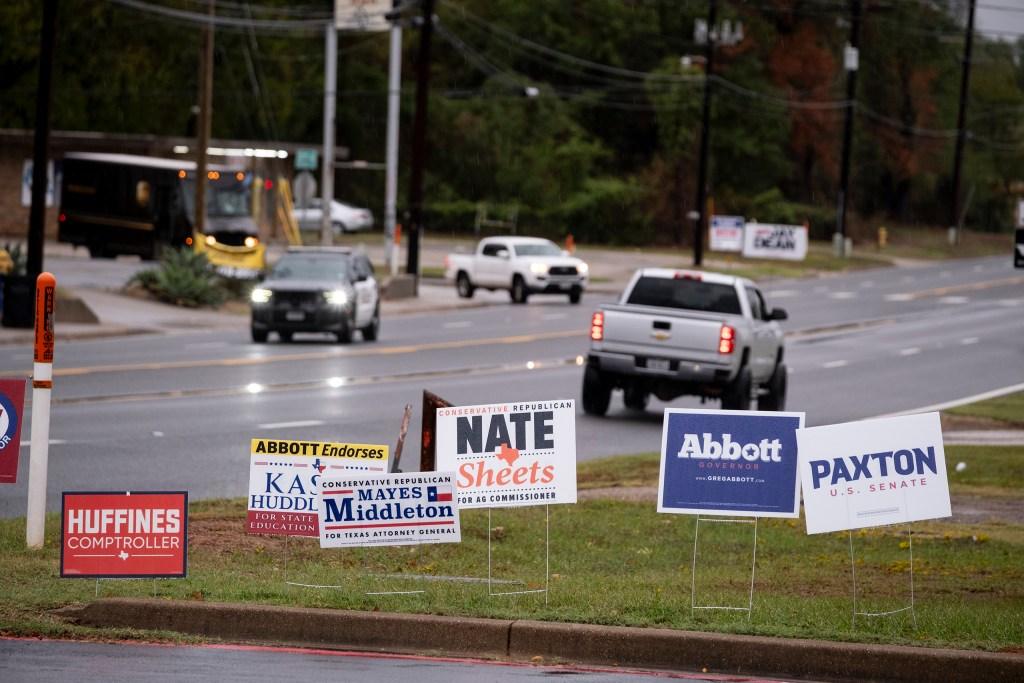
This vast area is represented by more than a dozen lawmakers, spanning from the state House to Congress, predominantly from the Republican Party. Historically, Republicans have found success in securing votes from rural regions like East Texas. However, many statewide candidates faced setbacks in the midterms, attributed by rural voters to a messaging strategy heavily centered on culture-war issues.
In contrast, politicians in East Texas bucked the trend, retaining their seats by concentrating on policy matters and building trust within their communities. Republican candidates who successfully claimed U.S. House seats in the region typically garnered just over 50% of the vote, with notable exceptions like Congressman Tom Sell in Lubbock. State House races, however, saw victories ranging from 65% to 80% of the ballots cast.
Incoming state representatives Rocky Thigpen of Lufkin and Ray Callas of Beaumont each received close to 75% of the vote. Meanwhile, Rep. Cole Hefner of Mt. Pleasant, a returning lawmaker, attracted nearly 80% of the ballots in his favor. In Nacogdoches, despite a strong showing from opponent James Talarico, state Rep. Joanne Shofner secured 71% of the votes.
State Rep.-elect Rocky Thigpen and Rep. Cole Hefner have established themselves as prominent figures within their communities, actively engaging with constituents long before the election cycle began. This connection is critical in rural Texas, where voters prioritize personal relationships with their representatives over national culture war issues.
Dean expressed skepticism about the candidates, feeling they were disconnected from the everyday realities faced by residents. “They want to project an image that everything is fine, but it’s a struggle,” he remarked. He specifically noted the challenges young people encounter when starting out in life, emphasizing the rising costs of groceries and basic necessities.
Winning in East Texas required lawmakers to address local concerns directly. Key issues included affordability, water access, housing, and sensible approaches to the rapid developments in artificial intelligence. Candidates maintained visibility and engagement at community events prior to the elections, which they will need to uphold to remain effective in their roles.
Congressman Nathaniel Moran, who won his election with nearly 70% of the vote, emphasized the importance of being present and actively communicating with constituents. “Being in front of your constituents and working daily for them is crucial,” he stated.
Despite the broader statewide shift towards Democratic candidates in the recent midterms, East Texas demonstrated resilience in maintaining its Republican stronghold. This strength can be attributed to strategic redistricting and a deep understanding of the local electorate.
Mark Jones, a political science professor at Rice University, noted that the districts in East Texas were intentionally drawn to favor Republicans, providing a protective buffer against the Democratic advances seen in other regions. The demographics of East Texas, characterized by predominantly white, blue-collar voters with strong Christian values, further solidify this political landscape.
While some areas, like Nacogdoches County, showed a shift towards the left, many communities in East Texas remained staunchly Republican. Candidates attributed their electoral success to their focus on local issues and their established presence in the community prior to the campaign.
Thigpen shared his commitment to attending community events, stating, “My constituents expect me to be there.” This dedication to local engagement helped candidates like him overcome the challenges that partisan politics presented during the election cycle.
Despite the partisan divide, East Texans face shared challenges, such as rising grocery and gas prices, concerns about local water resources, and increasing property taxes. These pressing issues resonate across party lines, prompting candidates to localize their campaigns rather than rely solely on statewide Republican branding.
Historically, East Texas was not always a Republican bastion. The region has seen shifts in political allegiance over the decades, with notable figures like Democrat Charlie Wilson serving for twelve terms in the 1980s and 90s. However, the consolidation of Republican power began in the 1960s amidst the Civil Rights Movement, solidifying a Republican stronghold that has persisted to the present day.
As a result of this political evolution and strategic redistricting, Republican candidates entered the recent election cycle with significant advantages, including name recognition and financial resources that outmatched their Democratic counterparts.
Although Democrats did not anticipate victories in East Texas, they managed to field candidates in every state and U.S. seat, a notable achievement compared to previous years. This effort, however, did not translate into substantial wins, with Republican Brian Babin securing just 54% of the vote in U.S. House District 36, a notable drop from his previous performance.
Experts believe that while Democrats may find it challenging to turn East Texas blue in the near future, they could gradually erode Republican support in the region. Jones suggested that if Republicans begin to lose their foothold in East Texas, it could signal a broader shift in Texas politics, potentially aligning the state more closely with Democratic-leaning regions like California.
In summary, the future of East Texas politics remains uncertain. The recent elections have underscored the importance of local engagement and addressing the material concerns of constituents as key factors for candidates seeking to maintain their positions in a shifting political landscape.