








Exploring Texas’ Rich Educational Heritage
Texas is known for its vast landscapes, rich cultural history, and, importantly, its educational institutions. The state boasts a variety of historic schools and educational establishments that have played a crucial role in shaping not only the local communities but also the educational landscape of the entire nation. From early foundations built in the 19th century to present-day institutions, Texas’ educational history tells a story of growth, resilience, and commitment to learning.
Across Texas, various schools symbolize the state’s dedication to education. Many of these institutions have stood the test of time, adapting to modern challenges while maintaining their historic architecture and core mission. In this piece, we delve into some of the most significant historic schools and educational institutions in Texas, exploring their contributions to the community, unique characteristics, and enduring legacies.
The Significance of Early Educational Institutions
Establishing Foundations
The foundation of Texas’ educational system can be traced back to the early 19th century when formal education was gaining traction in the American frontier. As settlers moved westward, the establishment of schools became imperative for community development. The first public school in Texas was established in 1839, highlighting a growing commitment to education. Early schools often operated in makeshift venues—like log cabins or community halls—serving as essential gathering places for both learning and social interaction.
One particularly noteworthy institution is the Republic School, established in 1839 in San Antonio. This school is recognized for being one of the first to offer a structured curriculum aimed at educating young Texians, promoting literacy and community coherence. As more settlers arrived, the push for formal education continued to grow, leading to the establishment of many small one-room schoolhouses throughout the state.
These early institutions were often supported by local communities, which pooled resources to fund teachers and educational materials. The dedication to establishing schools reflected the Texas spirit of self-reliance and collective effort, setting the stage for the development of a robust educational system in the years to come.
Changes Through the Decades
Throughout the late 19th and early 20th centuries, Texas witnessed significant changes in its educational landscape. The introduction of state-funded education in the 1870s marked a pivotal moment, as it provided necessary resources and support for emerging schools. This era also saw the birth of many prominent universities.
The University of Texas at Austin, founded in 1883, is one such institution that has made a lasting imprint on the educational and cultural fabric of Texas. Initially established to serve fewer than 200 students, the university has grown into one of the largest and most respected public universities in the nation, catering to over 50,000 students annually. The historic campus, with its iconic tower, remains a symbol of academic excellence and a significant landmark in Austin.
Similarly, Texas A&M University, established in 1876, began as a military institution focused on agricultural and mechanical studies. Over the years, it has evolved into a leading research university, emphasizing engineering and science. The expansion of these universities resulted not only in increased access to higher education for Texans but also in the establishment of vibrant college towns that foster community development and pride.
Preserving Historic Schools
Not Just Educational Buildings
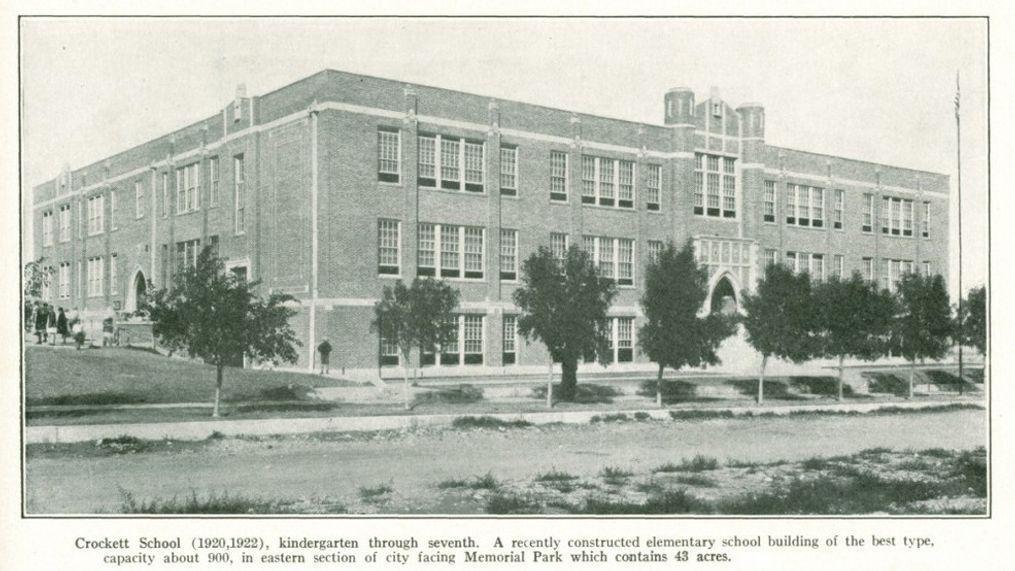
Many historic schools in Texas have long outlived their primary function as educational institutions but continue to play vital roles in their communities. They serve as reminders of the past, representing a time when education was not only valued but also vital for the growth of the state. Schools such as the W.L. McBaine School, built in 1897, now function as community centers where locals gather for events, cultural programs, and recreational activities.
Restoration efforts have been paramount in maintaining these historic schools. Communities recognize that these buildings aren’t merely physical structures but also vital components of local heritage and identity. For example, the Chappell Hill School, founded in 1885, has been preserved as a local museum showcasing artifacts and educational techniques from the past. This preservation allows future generations to appreciate the efforts and struggles of their predecessors.
Moreover, historic schools provide an opportunity to engage with Texas’ complex history, including discussions around race, inclusion, and equality in education. As educational institutions of the past come into focus, they allow for critical conversations about how far society has come and the challenges that remain in achieving equitable education for all.
Community Involvement and Importance
The significance of these historic schools extends beyond mere architecture; they are often intertwined with local community identity. Historic education institutions have remained resilient through economic hardships and changing cultural landscapes, largely due to the communities that support them. Many towns have dedicated efforts to preserving these schools as integral parts of their history while accommodating modern educational needs.
Communities often host events, workshops, and fundraisers to support preservation efforts. The Texas Historical Commission has played a role in these initiatives, providing grants and technical assistance to help restore historic buildings and educate the public on their value. People often gather for homecoming events and reunions at historic venues, fostering connections between past and present generations, bringing forth stories of resilience and community spirit.
In this way, historic schools symbolize more than just places of education; they stand as testaments to local heritage, resilience, and the unyielding pursuit of knowledge. The interconnectedness of these institutions with the communities around them solidifies their importance in Texas’ educational landscape.
Modern Perspectives on Historic Educational Facilities
Integrating New Technologies
As educational paradigms shift with advancements in technology, many historic schools are adopting innovative methods to engage students and enhance learning experiences. The integration of technology, while respecting and preserving the character of these historic buildings, presents a unique challenge. Schools like the San Antonio Academy have exemplified this by using updated teaching techniques while maintaining their historic campus.
Modern technology in historic institutions can improve accessibility and enhance educational experiences. For instance, educational programs can now include computer labs and smart classrooms that accommodate modern teaching methods, promoting a hybrid learning environment. Many historic institutions leverage their unique design features to create inspiring learning spaces—tall ceilings, large windows, and open areas that resonate with a sense of history and community.
However, integrating technology carefully while preserving historical significance is essential. Schools that manage to maintain their historical integrity while offering modern educational tools are proving that history and innovation can coexist effectively, enriching both the learning experience and the legacy of these institutions.
Future Directions for Educational Institutions
Looking forward, the path of historic educational institutions must balance modernization efforts with dedication to preserving their roots. With ongoing discussions about education reform and the need for inclusive practices, many historic schools are now places where community-oriented educational models can flourish. They can serve as spaces for collaboration between educators, historians, and community members, each bringing their insights and experiences to create holistic educational practices.
Moreover, as Texas continues to grow and evolve, the need for community involvement in educational policy discussions becomes crucial. Historic schools could act as forums where educators and the community can collaborate on strategies to address current educational challenges, from financial disparities to the diversification of curricula.
Additionally, the preservation of these schools can be incorporated into broader educational curricula, focusing on local history, architecture, and the importance of community in understanding the evolution of education in Texas. Establishing connections between current students and the history represented in their schools fosters a deeper appreciation of their local heritage.
Legacy of Historic Schools in Texas
Commemorating the Past
The legacy of historic schools in Texas is a testament to the state’s educational journey and cultural evolution. As centers of learning, tradition, and community engagement, these institutions have significantly influenced many aspects of life in Texas. They embody a spirit of perseverance, reflecting the community’s shared journey through triumphs, struggles, and continuous growth.
Efforts to commemorate this heritage continue, as schools celebrate anniversaries, organize historical exhibits, and partake in festivals that highlight local history and education. The stories of early educators, local pioneers, and notable alumni are preserved and honored, ensuring that the essence of these schools persists through generations.
Many stakeholders, including organizations like the Texas Historical Commission and local community groups, are actively involved in initiatives promoting the importance of this heritage. Collaborative projects aim to document the histories of these institutions while advocating for their preservation in the face of modern development.
Looking Ahead
The future of historic educational institutions in Texas is one filled with promise and hope. As communities rally around these schools, embracing their unique stories and contributions, these institutions will undoubtedly continue to thrive amidst changing educational landscapes. The commitment to preserving the legacy of these schools ensures that they remain vital parts of Texan culture and education for generations to come.
As we move forward, the experiences drawn from exploring historic schools serve as an inspiration and a reminder—a message that education is not merely about subject matter, but about building bridges across communities, generations, and ideas.