







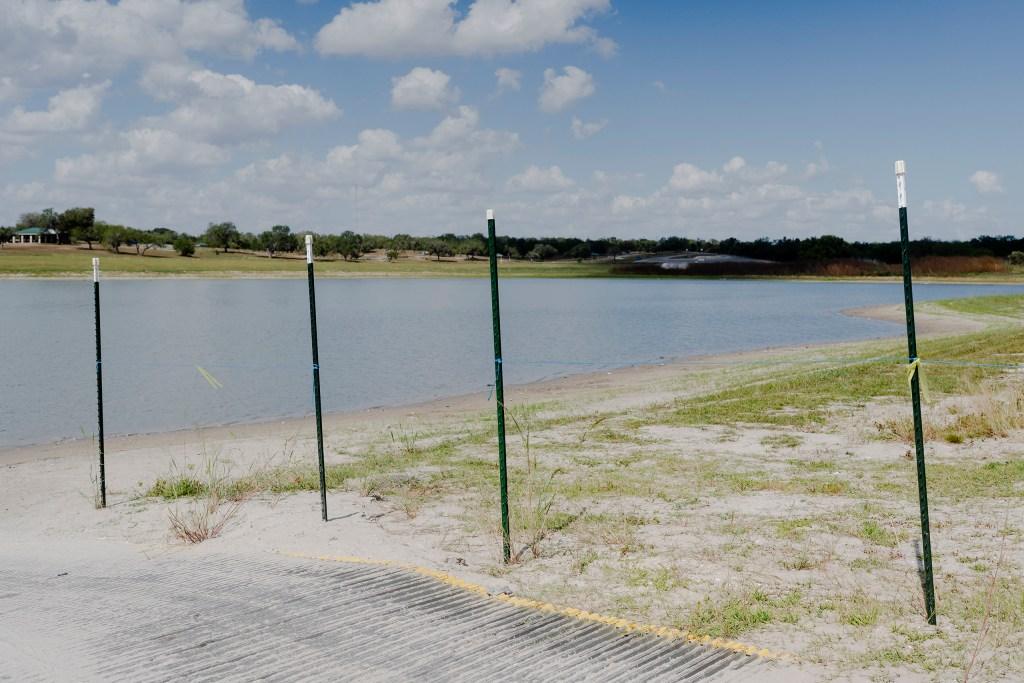
Corpus Christi is facing a critical water crisis, marked by five consecutive years of record heat, uneven rainfall, and divided leadership. The city is in jeopardy of becoming the first in the United States to experience a significant water shortage. Experts indicate that only substantial rainfall can prevent this dire outcome.
The city has already utilized accessible short-term water sources, including newly drilled wells. A controversial desalination plant, previously dismissed due to cost and environmental concerns, is being reconsidered, but it remains years away from becoming operational. Another potential solution is the construction of a large reservoir, which would also entail a lengthy timeline.
Water resources engineer Kenneth Dees, based in Fort Worth, warns that demand is projected to surpass supply by next summer, leaving insufficient time to avert a crisis through new infrastructure development. He suggests that the only immediate solution may be to drastically reduce water usage.
City officials are actively searching for means to postpone the impending emergency, focusing on conservation initiatives such as mandatory water restrictions and increased fees for those who exceed usage limits. Mayor Paulette Guajardo commented on the challenging balancing act of planning for the future while navigating a divided city council and maintaining community trust.
“Water security affects everything — growth, public safety, jobs, industry, housing — all of it, and it all weighs on me,” she noted.
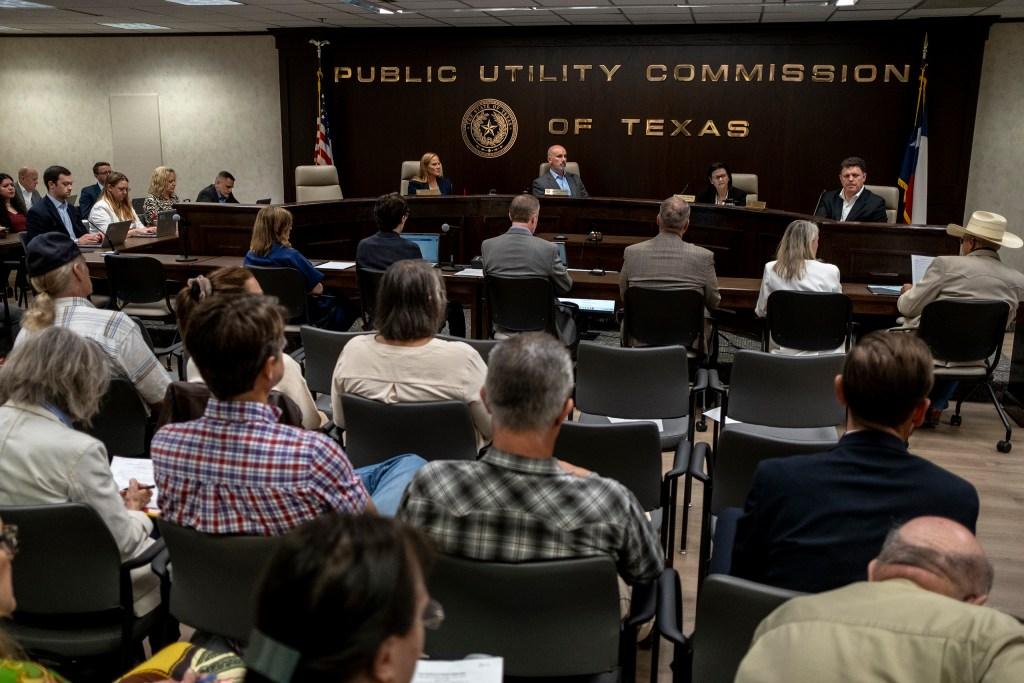
Frustration is mounting among residents concerning the city’s leadership, particularly regarding delays in implementing emergency water restrictions and enforcement measures. The City Council is set to debate whether to proceed with the desalination plant proposal that was rejected nine months ago.
Resident Susy Saldana expressed her concerns, urging city leaders to collaborate effectively to find solutions. “There’s still time for you guys to turn things around… right now, you’re failing at the task,” she told council members.
Guajardo emphasized the community’s desire for certainty and effective leadership. “People want to know their leadership and elected officials are working together to make thoughtful, decisive decisions that move our community forward,” she said, underscoring the importance of finding common ground despite differing council perspectives.
Ginny Cross, vice president of advocacy for the United Corpus Christi Chamber of Commerce, highlighted that the local business community is anxious for a clear plan from the city. “They have to finalize the drought restrictions, and there’s a lot of unwillingness to make a concrete plan,” she stated.
With businesses concerned that restrictions could hinder the local economy, Cross noted that preparations for mandatory water limits have been under discussion for nearly six months. “Everybody’s going to be impacted in ways that we are just beginning to imagine,” she warned.
Dees pointed out that enacting water use restrictions is one of the few tools left to mitigate the looming crisis. “The only thing they can do involves a gavel because at this point, they can’t do anything with a shovel,” he explained.
Since 2024, residents and businesses have been under water restrictions due to dwindling reservoir levels. Homeowners have reduced water consumption by about 25% recently, primarily by cutting back on car washing and outdoor watering. If the crisis point is reached as anticipated in December, further reductions will be necessary, although recent rainfall could extend that timeline to 2027.
“You hope for rain, but in the meantime, I believe they really do have to take drastic action,” Dees remarked. “They’re going to have to curtail usage because that’s the only thing they can do right now.”
Jarrod Reynolds, a water resources engineer focused on underground projects, emphasized that building water infrastructure is a lengthy endeavor that can take decades. “With time, you can build stuff — you can drill wells, you can do desalination, you can do pipeline projects — but every single one of those takes years,” he noted.
Next week, the City Council is expected to vote on enforcing a 25% mandatory reduction in water usage if a Level 1 emergency is declared, indicating that the city is six months away from failing to meet water demand. Major water consumers, including local oil refineries and petrochemical plants, would also be required to conserve at the same rate as residents.
With the Port of Corpus Christi and a significant industrial corridor in the region, the city’s water demand is heavily influenced by approximately 20 major companies, which account for about 60% of the total usage. Complicating conservation efforts, some industrial firms have opted for a drought surcharge exemption, paying an additional fee to avoid extra charges during a water crisis.
Isabel Araiza, co-founder of For the Greater Good, criticized the city for not exploring all available options. “It’s just not willing to entertain all the options,” she said, highlighting the focus on residential conservation measures while overlooking industrial water usage restrictions.
Araiza expressed her frustration, stating, “Rage is not a strong enough word to capture how I feel… It blows my mind that we’re more concerned with industry’s profits and single-use plastics than centering the needs of the community and environment.”
Discussions among Corpus Christi leaders have primarily focused on streamlining short-term water supplies and preparing for mandatory restrictions and higher surcharges. The implications of the city’s water challenges extend beyond its own residents, affecting over 200,000 customers across seven counties, including wholesale buyers in Alice, Beeville, and Mathis.
Nick Winkelmann, chief operating officer at Corpus Christi Water, indicated that the city is working to identify wells and short-term sources to buy time while pursuing long-term solutions for water supply stability.
The City Council is set to discuss the revival of the Inner Harbor Desalination Project, which could potentially provide up to 10 million gallons of drinking water daily. However, the earliest it could deliver water would be late 2029. Furthermore, two private companies, AXE H2O and Aquatech, have proposed additional desalination projects.
The city is also investing in wastewater recycling, with an $11 million project aimed at producing up to 16 million gallons per day for outdoor applications, although the project is still in its early stages.
Typically, Corpus Christi’s water system supplies about 130 million gallons daily. In mid-May, city leaders received positive news when heavy rainfall pushed back the projections for a Level 1 emergency by three months, from September to December. Continued rainfall has further alleviated concerns, potentially delaying the emergency declaration into early 2027.
“We’re working towards every day to push that date out and eventually take that date completely off the table,” Winkelmann affirmed.
Andrew Coppin, CEO of Ranchbot Monitoring Solutions, emphasized that Corpus Christi’s situation serves as a warning for other regions in Texas. “How many more Corpuses are coming in the next few years?” he questioned, reflecting on the shocking reality of a major city in a developed nation facing water scarcity.
“It highlights the imperative for us to better manage and quantify water,” Coppin concluded.