





The Evolution of Texas Urban Centers
Texas, the second-largest state in the United States, is renowned for its vibrant culture, rich history, and diverse demographics. Over the years, its urban centers have undergone significant transformations, shaping the very fabric of life in the Lone Star State. From bustling metropolises steeped in tradition to modern cities emerging as tech hubs, the evolution of Texas urban centers reflects a dynamic interplay of historical influences, economic trends, and cultural shifts.
As cities like Houston, Dallas, Austin, and San Antonio continue to grow, they are not only redefining the landscape of Texas but also influencing national and global trends. Understanding this evolution requires an examination of the historical context, economic factors, and the social dynamics that drive these urban centers today. Each city tells its own story, rich with innovation, challenge, and resilience.
Historical Roots of Texas Urban Centers
The Early Days: Settlements and Trade
The evolution of urban centers in Texas can be traced back to the early days of European colonization. Spanish explorers, such as Alonso Álvarez de Pineda and Cabeza de Vaca, were among the first to document the area, leading to the establishment of missions and settlements. San Antonio, founded in 1718, became a crucial hub for trade and military defense, while also serving as the cultural heart of Spanish Texas.
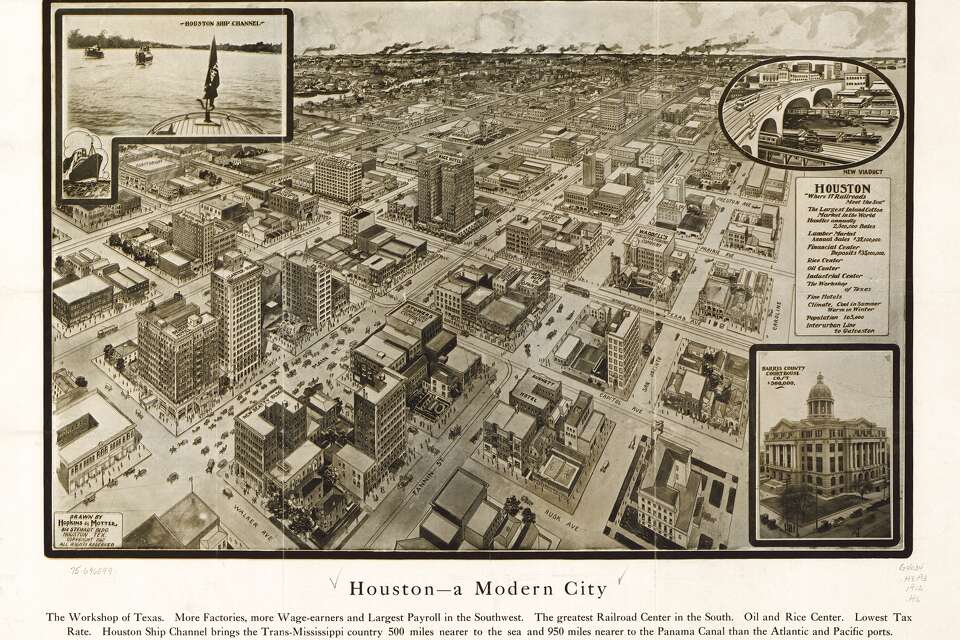
Moreover, the region saw an influx of settlers during the early 19th century, driven by the promise of land and opportunity. Towns like Houston, founded in 1836, were established with the intent of meeting the demands of a growing population. The discovery of oil in Spindletop in 1901 transformed Texas into an economic powerhouse, sparking a surge in urbanization as people flocked to cities to take advantage of new job opportunities.
The Rise of Industrialization
The turn of the 20th century marked a pivotal moment for Texas urban centers as industrialization took hold. The growth of the railroad network facilitated the movement of goods and people, making cities more accessible. This era also saw the emergence of Dallas and Fort Worth as key players in the state’s economy, with Dallas evolving into a center for commerce and culture and Fort Worth establishing its reputation in the cattle industry.
As industrial activities intensified, cities expanded outward, leading to the development of infrastructure such as roads, schools, and hospitals. The rapid urbanization contributed to a population boom. By the 1950s, Texas had transformed into a robust economic landscape, characterized by diverse industries, including aerospace, technology, and telecommunications. This period laid the groundwork for modern Texas urban centers, making them attractive destinations for both domestic and international migrants.
Modern Developments and Growth
Economic Diversification and Tech Innovation
Today, Texas urban centers are often viewed through the lens of economic diversification. Beyond oil and gas, cities like Austin have carved out a niche in the tech industry, attracting major companies and startups alike. Known as “Silicon Hills,” Austin is recognized for its vibrant ecosystem, promoting innovation and fostering entrepreneurship. This transformation is attributed to a confluence of factors, including a favorable business environment, an educated workforce, and a culture that encourages creativity.
Similarly, Dallas has cemented its status as a financial and commercial hub. Companies migrating to urban Texas are drawn by the opportunity to engage with a diverse pool of talent while benefiting from lower taxes compared to other large metropolitan areas in the U.S. This trend has catalyzed the development of office complexes, residential units, and modern amenities, reshaping the urban landscape and catering to a diverse population.
Challenges of Urbanization
However, rapid urbanization comes with its set of challenges. As Texas urban centers grow, the infrastructural demands increase, leading to congestion, rising housing prices, and strain on public services. Traffic congestion, particularly in cities like Houston and Dallas, has reached critical levels, prompting discussions about sustainable transportation and greener alternatives.
Housing affordability has also become a pressing issue, as demand outstrips supply in many urban areas. The gentrification of historically disadvantaged neighborhoods further complicates the challenge, leading to displacement and social tensions. According to a recent report from the Texas A&M Transportation Institute, cities must prioritize smart growth strategies that consider long-term sustainability rather than short-term gains.
Cultural Shifts and Demographic Changes
The Melting Pot of Traditions
Texas urban centers are characterized by diverse populations that reflect a confluence of cultural influences. The blend of Hispanic, African American, Asian, and Anglo communities adds a rich layer to the social fabric of cities. In San Antonio, the annual Fiesta celebration showcases this cultural diversity, bringing together residents for a vibrant festival steeped in tradition.
Moreover, younger generations increasingly drive trends in urban culture, influencing everything from cuisine to art and music. The evolution of food scenes in cities like Austin has garnered national attention, with food trucks and gourmet restaurants celebrating local ingredients and culinary traditions. This cultural zeitgeist not only attracts locals but also draws tourists eager to experience the unique flavors and experiences Texas urban centers have to offer.
Education and Workforce Development
Access to quality education plays a crucial role in shaping the future of Texas urban centers. The presence of prestigious institutions, such as the University of Texas at Austin and Texas A&M University, supports workforce development and innovation. These universities contribute not only through research initiatives but also by fostering entrepreneurship and providing a steady stream of talent essential for economic growth.
Moreover, tech-driven initiatives aimed at enhancing educational access have emerged, bridging the gap for underserved communities. Programs promoting STEM education and vocational training are empowering the next generation to participate in the evolving workforce landscape. As these initiatives gain traction, they help mitigate socio-economic disparities, ensuring that growth is inclusive and equitable.
The Future of Texas Urban Centers
Smart Cities and Sustainable Solutions
As Texas urban centers continue to evolve, the concept of “smart cities” is gaining momentum. Urban planners and local governments are increasingly leveraging technology to enhance the quality of life for residents. From smart traffic management systems to energy-efficient infrastructure, cities are adopting innovative solutions to tackle pressing issues.
Additionally, sustainability efforts are taking center stage. Initiatives such as renewable energy projects and green building certifications are changing the construction landscape. Dallas’ plan to achieve a 100% renewable energy goal by 2030 reflects how urban centers are prioritizing environmentally friendly practices for a sustainable future.
Adapting to Changing Demographics
The demographic shifts within Texas urban centers present both opportunities and challenges. Cities are experiencing growth not only in population but also in diversity, with minority populations projected to become the majority in the coming years. This evolution necessitates adaptive policies that address the unique needs of varying communities, ensuring that all residents can thrive. Inclusive city planning, social services, and community engagement efforts are vital for creating environments that respect and celebrate diversity.
The integration of affordable housing initiatives, public transportation improvements, and social services is key to maintaining the vibrancy that characterizes Texas cities. As urban centers emerge as global players, they must also ensure they remain livable spaces for all residents, regardless of socioeconomic background.
Overall, the evolution of Texas urban centers encapsulates a narrative of transformation propelled by resilience, adaptive strategies, and cultural richness. As these cities continue to innovate and grow, their stories will undoubtedly unfold, forging paths that reflect the spirit of Texas itself.