








The upcoming primaries in 2026 will empower voters in Texas, both Republicans and Democrats, to select candidates who will represent their interests in the November general election. Despite the significance of these primaries, participation has been notably low, with less than 20% of registered voters in Texas casting their ballots in recent elections, according to the state’s secretary of state office.
Voters can expect a range of positions on their ballots, including federal, state, and local county offices. County elections are typically partisan, while school board and city council races are generally nonpartisan, although some candidates may still align with political parties. County officials play a crucial role in local governance, implementing state and federal laws, and providing public services, particularly to residents outside city limits. All county positions are held for four-year terms.
Given the extensive list of candidates, understanding the primaries can be daunting. Here is an overview of the primary county offices, along with local voter resources to aid in the voting process.
Commissioners Court
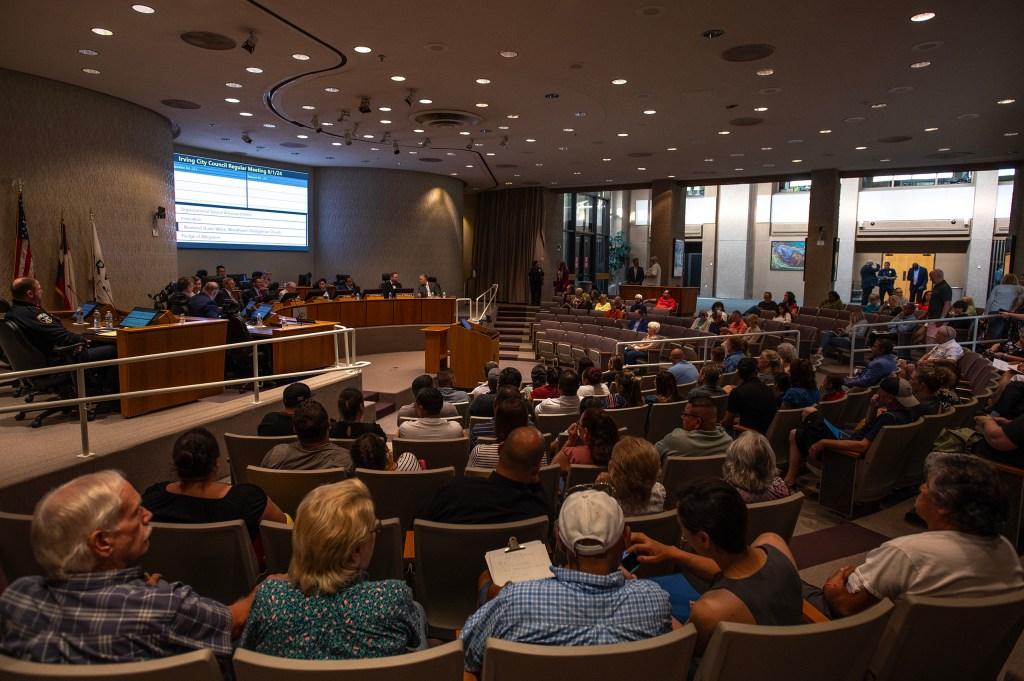
The commissioners court, comprised of a county judge and commissioners, functions similarly to a city council in managing county governance. This court is responsible for adopting the county budget, setting tax rates, approving contracts, and initiating bond elections for infrastructure projects. Additionally, the commissioners court is integral to the electoral process, appointing election judges to oversee polling places and officially tallying local votes for both county and state elections. They also have the authority to designate the county clerk or an elections administrator as the voter registrar, rather than relying solely on the county tax assessor-collector.
Counties often face limitations in policy-making compared to city governments and may need to advocate with the state legislature to expand their responsibilities.
County Judge
The county judge presides over the commissioners court in a manner akin to a mayor leading a city council. Despite the title, it is not mandatory for county judges to possess a legal background. Serving as the head of local emergency management, a county judge can issue disaster declarations to request assistance from other agencies and implement emergency measures as permitted by law. This position holds significant power during crises, though ongoing support from the commissioners court is necessary to maintain emergency declarations.
In smaller counties, the county judge may also fulfill the role of budget officer and can carry out judicial responsibilities, such as presiding over misdemeanor cases and appeals from the Justice of the Peace Court, as outlined by the Texas Association of Counties.
County Commissioners
Each county is represented by four commissioners, each elected to oversee a distinct precinct within the commissioners court. These commissioners are responsible for the construction and maintenance of roads in their respective areas. They serve staggered terms, with elections for commissioners in local precincts two and four scheduled for this year.
County Treasurer
The county treasurer manages the county’s finances, working with banks to handle revenue deposits, distributing funds as per the commissioners court’s directives, and maintaining accurate accounts of expenses and funds. In certain counties, treasurers may also oversee payroll, serve as human resources officers, manage investments, and conduct auditing duties where no county auditor exists, according to the Texas Association of Counties.
County Clerk
The county clerk is responsible for maintaining records and managing administrative tasks for both county courts and the commissioners court. This includes keeping public records such as birth and death certificates, issuing marriage licenses, and handling depositions. In many counties, the clerk also acts as the chief elections officer, as noted by the Texas Association of Counties.
Justice of the Peace
Justices of the peace oversee justice courts that handle cases involving traffic violations and Class C misdemeanors, such as public intoxication and minor assaults that result in fines. They also address minor civil cases, truancy issues, tenant disputes, and small claims cases, in addition to performing marriage ceremonies.
District Clerk
The district clerk manages documentation for district courts, which deal with felony cases and civil litigation. Apart from maintaining records, the clerk is responsible for collecting filing fees, managing funds associated with litigation, and coordinating jury selections. They may also process passport applications, according to the Texas Association of Counties.
County Surveyor
The county surveyor is tasked with maintaining, recording, and reviewing land survey records, plats, and field notes to ensure accurate property documentation. This role may also involve private surveying and acting as a liaison to maintain state-recognized boundary records. However, in Texas, where public land is limited, this position has been eliminated in several counties by legislative action or local voter decisions.
County-Specific Resources and Local News Coverage
Many counties, including Travis, Tarrant, and Bexar, offer a “current election” section on their websites, providing information on polling locations, wait times, sample ballots, and registration verification. Voters can also access local guides, such as those produced by nonpartisan civic engagement groups, to assist them in the voting process. For additional information on registration, voters can visit the state’s website at votetexas.gov to learn about voting requirements and deadlines.
For the latest updates on candidates, voters are encouraged to follow local news outlets like KUT News, San Antonio Report, Fort Worth Report, and Houston Chronicle, which provide comprehensive coverage of candidates’ policies and highlights from debates.