








Exploring Texas Urban Green Spaces and Parks
Texas, known for its vast landscapes and diverse ecosystems, is also home to a range of urban green spaces and parks that play a pivotal role in the health and well-being of its residents. Urban parks offer sanctuary in bustling cities, providing essential breathing spaces where nature intertwines with community life. From the sun-soaked plains of Dallas to the serene waterside paths of Austin, these green spaces serve as vital recreational areas, environmental sanctuaries, and community hubs.
The importance of urban parks in Texas cannot be overstated. Not only do they enhance the aesthetic appeal of cities, but they also promote physical activity, mental health, and wildlife conservation. However, the growth of urbanization in Texas presents challenges that need addressing, such as maintaining biodiversity and ensuring public access to these essential amenities. As cities evolve, so too must the strategies for preserving and enhancing green spaces.
The Importance of Urban Parks
Urban parks serve as much more than mere recreational spaces; they are critical to enhancing the quality of life in densely populated regions. The integration of greenery into urban design benefits residents in various ways. First and foremost, parks encourage physical activity. Facilities such as walking trails, playgrounds, and sports fields give people opportunities to engage in exercise, which is fundamental to public health. The Centers for Disease Control and Prevention (CDC) emphasizes that living near parks is linked to higher physical activity levels among residents, ultimately leading to improved health outcomes.
Moreover, urban parks are essential for mental health. Research shows that spending time in nature reduces stress and anxiety, and significantly boosts overall well-being. In cities like Houston, residents often flock to parks like Hermann Park, where they can escape the hustle and bustle, enjoying serene landscapes that promote relaxation and mindfulness. These areas also act as community gathering points, facilitating social interaction and cohesion among diverse groups. The sense of belonging fostered in such settings is crucial for strengthening community bonds.
Additionally, urban parks play a significant role in environmental sustainability. They contribute to urban biodiversity, offering habitats for various species and promoting ecological balance even in densely populated areas. Parks like the San Antonio River Walk not only showcase natural beauty but also serve as important waterways that manage stormwater, reducing urban flooding and improving water quality. This dual function highlights the necessity of integrating green spaces into urban planning to ensure sustainable development.
Key Urban Parks in Texas
Across Texas, several urban parks stand out for their unique offerings and community engagement. Here are some of the most significant parks that underscore the importance of green spaces in Texas cities:
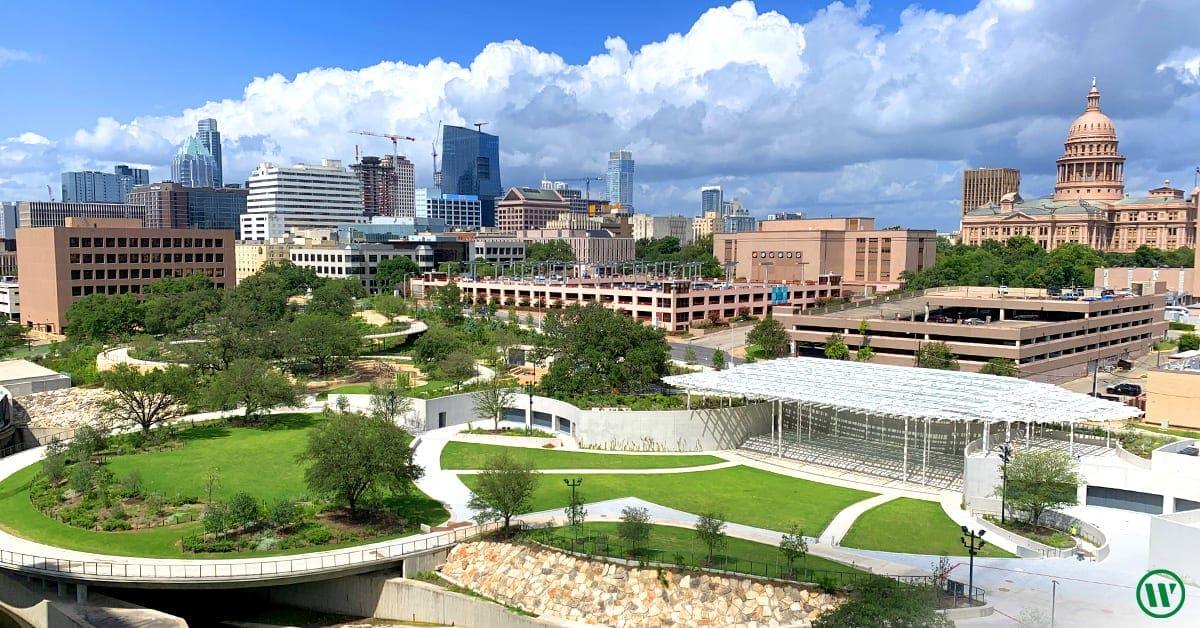
- Central Park in Dallas: This urban oasis features sprawling lawns, picnic areas, and cultural amenities, including performance spaces and art installations. It’s a hub for community events and offers ample opportunities for recreational activities.
- Zilker Park in Austin: Renowned for its expansive fields and proximity to Lady Bird Lake, Zilker Park is a favorite for outdoor enthusiasts. The park hosts the annual Austin City Limits Music Festival and offers activities ranging from kayaking to botanical gardens.
- Buffalo Bayou Park in Houston: Spanning 160 acres, this park provides stunning views of the Houston skyline alongside trails for walking, biking, and picnicking. Its natural landscape promotes biodiversity while enhancing the urban environment.
- Brackenridge Park in San Antonio: This historic park features the San Antonio Zoo and the Japanese Tea Garden, combining recreational and cultural experiences. It’s a crucial green space for both locals and tourists.
Challenges Facing Urban Green Spaces
Despite their many benefits, urban parks in Texas face significant challenges. One of the primary issues is funding. Many parks rely on local government budgets, which may be subjected to cuts and reallocations. This can result in reduced maintenance and programming, negatively impacting the visitor experience. In cities like Austin, the rapid growth of population places additional strain on existing parks, demanding more resources for maintenance and expansion.
Another challenge is the increasing encroachment of urban development on green spaces. The demand for housing and commercial properties often leads to the degradation or outright removal of local parks. Communities are currently grappling with balancing growth while preserving essential green areas. Initiatives like “parkland dedication” aim to require developers to allocate a portion of land for park use, but enforcement can vary, illustrating the uphill battle faced by conservationists.
Moreover, climate change poses a looming threat to urban parks. Extreme weather events, such as flooding and drought, can severely impact the ecology of these spaces. In Texas, where both drought and flooding can occur, the resilience of parks must be enhanced through climate-ready landscaping practices and sustainable design. This includes utilizing native plants that require less water and can withstand harsh weather conditions, enhancing the longevity and utility of urban parks.
Innovative Strategies for Enhancing Urban Green Spaces
To counter the challenges facing urban parks, Texas cities are implementing innovative strategies designed to enhance and expand green spaces. Collaboration between local government and community advocates has sparked creative solutions to ensure sustainable park development. One promising approach is converting underutilized urban areas into pocket parks—small, community-focused parks designed to provide green space in densely populated neighborhoods. Participatory planning processes, where residents are engaged in the design and development of these parks, ensure that community needs are met.
An additional strategy involves integrating green infrastructure into the urban landscape. Techniques such as green roofs, green walls, and permeable pavement are being adopted to increase urban greenery and manage stormwater efficiently. Cities like San Antonio are pioneering these initiatives, recognizing that they help enhance the ecological footprint of urban settings while providing additional recreational spaces for residents.
Moreover, technology has emerged as a pivotal tool in managing urban parks. Smart phone applications that provide information on available facilities, upcoming events, or volunteer opportunities can significantly enhance the user experience. Communities are utilizing social media platforms to promote park activities, encourage community engagement, and attract a diverse audience to enjoy their local green spaces. This tech-savvy approach ensures that urban parks remain dynamic and accessible to all.
The Role of Community Engagement
A crucial aspect of the success of urban parks is the level of community engagement fostered through these spaces. Parks serve as outlets for residents to advocate for their communities and express their needs. According to studies, when communities are invested in the development and maintenance of local parks, they are more likely to experience increased usage and care for these spaces.
Efforts to involve local stakeholders, including schools, businesses, and nonprofit organizations, in park revitalization projects lead to enhanced ownership and pride within the community. Events such as community clean-ups, tree plantings, and educational workshops not only beautify parks but also strengthen communal ties. Engaging residents fosters a sense of responsibility that is crucial for the parks’ ongoing maintenance and care.
Additionally, community-led initiatives often address issues of equity and inclusion. Ensuring that parks meet the diverse needs of residents is essential in creating spaces where all individuals feel welcome. By prioritizing equity in park design and programming, cities such as El Paso are working to dismantle barriers that may have historically excluded certain demographic groups from enjoying green spaces.
Future of Urban Parks in Texas
As Texas navigates a complex urban landscape, the future of its urban parks appears both challenging and promising. Ongoing population growth demands innovative solutions to improve access to these critical resources. Cities are poised to reimagine urban parks through sustainable practices, advanced technology, and robust community engagement. The balance between preservation and development will be central to ensuring that Texas’ green spaces continue to thrive.
Continued investments in urban parks, grounded in social equity and environmental sustainability, are vital for a vibrant future. Moving forward, cities must recognize parks not merely as amenities but as fundamental components of urban life that contribute substantially to the public good. Engaging with locals and prioritizing their voices in decision-making processes will encourage continuity and improve the overall functionality of these spaces.
As Texas embarks on this journey, the lessons learned in urban park management may serve as a blueprint for other states facing similar urbanization challenges. By cherishing the balance of nature and community within urban settings, cities can craft environments where sustainability, recreation, and connection flourish, creating healthy, vibrant places for generations to come.