






Houston: A City of Sports Passion
Houston, Texas, is not only known for its vibrant culture and space exploration legacy but also for its rich sports scene. With a variety of professional teams from the NFL, NBA, MLB, and MLS, the energy found in Houston’s stadiums is palpable. The city’s love for sports transcends decades and generations, celebrating numerous teams across multiple sports disciplines. This article delves into the history, impact, and significance of Houston’s sports teams and their respective stadiums, showcasing why this city holds a special place in the hearts of sports enthusiasts.
From the roar of the crowd to the thrill of a last-minute game-winning play, Houston sports offer unforgettable experiences. Each team boasts a unique story, culture, and community involvement, contributing to the diverse fabric that makes up Houston’s identity. Understanding the relationship between these teams and their stadiums provides deeper insight into what makes Houston a significant hub for professional sports.
Major League Teams in Houston
Houston Texans: The NFL Representatives
Founded in 2002, the Houston Texans are the newest team in the National Football League (NFL). As an expansion team, they have grown significantly in popularity, embodying the spirit of Houston’s loyal football fans. Playing at NRG Stadium, which can seat over 72,000 fans, the Texans are known for their high-energy games and passionate local support.
NRG Stadium, equipped with a retractable roof, enables fans to enjoy games in comfort regardless of weather conditions. The venue has not only hosted Texans’ games but also monumental events like Super Bowl LI in 2017, further establishing Houston as a premier destination for sports. The Texans have developed a strong rivalry, particularly with teams in their division, enhancing local interest and engagement.
The team’s mascot, “Toro,” and performances by the cheerleading squad contribute to an electrifying atmosphere. Community involvement also plays a crucial role, with the Texans engaging in several outreach programs aimed at promoting health and wellness, particularly among young athletes in the area. The franchise’s emphasis on community service reinforces its identity as more than just a football team, making it a proud representative of Houston.
Houston Rockets: Basketball’s Thriving Franchise
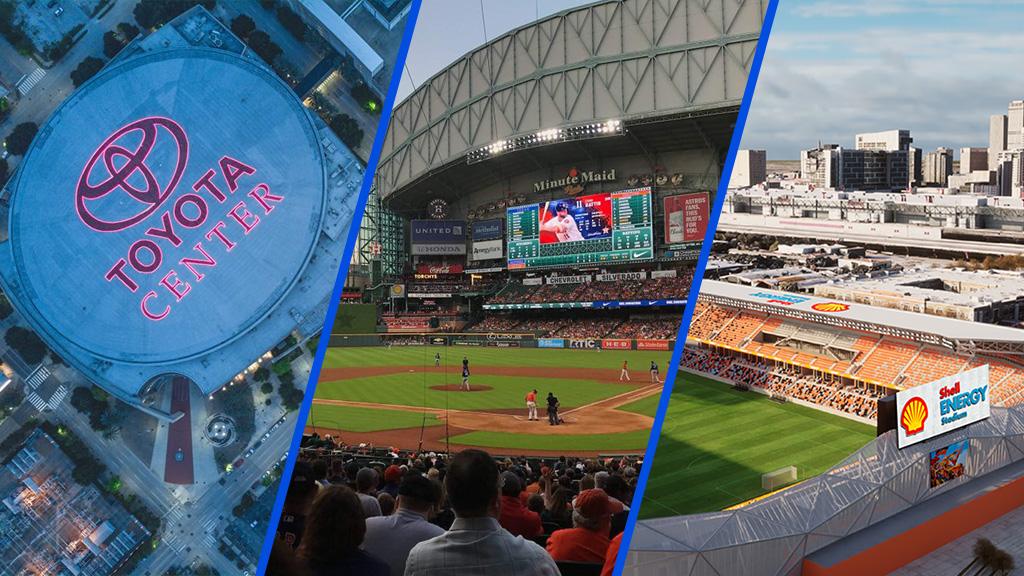
The Houston Rockets joined the NBA in 1967 and quickly established themselves as a formidable force in professional basketball. Over the years, the team has attracted numerous legendary players, including Hakeem Olajuwon, Yao Ming, and James Harden, each contributing to the franchise’s illustrious history. The Rockets call the Toyota Center home, a state-of-the-art facility that boasts a seating capacity of approximately 18,000 for basketball games, offering an intimate setting that enhances the spectator experience.
The Toyota Center, located in downtown Houston, is more than just a basketball arena; it serves as a multi-purpose venue hosting concerts, wrestling events, and other entertainment spectacles. The arena’s modern design includes multiple high-definition video screens and premium seating options, creating a captivating experience that keeps fans returning season after season.
Fueled by a deeply loyal fan base, the Rockets have built an exciting brand of basketball characterized by high-paced offense and three-point shooting. The team has made significant playoff runs, including two NBA Championship titles in the mid-’90s. Additionally, the franchise’s active engagement with local communities through youth programs and health initiatives illustrates the Rockets’ commitment to making a positive impact in Houston beyond the basketball court.
Houston Astros: A Baseball Legacy
The Houston Astros, established in 1962, are an integral part of Major League Baseball (MLB). The team made history in 2017 when they won their first-ever World Series Championship, bringing immense pride to the city. Home to the Astros is Minute Maid Park, a renowned stadium known for its unique features, including a train that runs along the outfield. With a seating capacity of around 40,000, the park offers an inviting atmosphere, complete with a retractable roof and air conditioning, ensuring that fans can enjoy games year-round.
Minute Maid Park not only serves as a venue for baseball games but also hosts concerts and community events, making it a vital part of Houston’s cultural landscape. The park is celebrated for its design that incorporates Houston’s history while providing modern amenities and a family-friendly environment. Throughout the years, the Astros have cultivated a strong and dedicated fan base, further enhanced by local partnerships and community outreach efforts.
As the team continues to dominate in recent seasons, its commitment to philanthropy and community engagement has cemented its position as a cornerstone of Houston’s sports culture. The Astros have involved themselves in numerous charitable initiatives, focusing on education, health, and recreation, echoing Houston’s values of resilience and unity.
Houston Dynamo FC: Soccer’s Emerging Force
Though soccer may not have the same historic roots in Houston as other sports, the Houston Dynamo FC, founded in 2006, has rapidly become a staple of the city’s sporting culture. Competing in Major League Soccer (MLS), the Dynamo plays its home games at PNC Stadium, formerly known as BBVA Stadium. This soccer-specific venue has a capacity of over 22,000 and provides an intimate atmosphere that immerses fans in the game.
Over the years, the Dynamo have secured multiple MLS Cup titles, contributing to the team’s growing popularity and fanbase. The stadium’s location near downtown makes it accessible to countless supporters, attracting fans from all walks of life. The Dynamo not only focus on winning on the field but also strive to strengthen the community through youth programs and outreach initiatives.
Soccer’s increasing popularity in the United States has encouraged more engagement from fans, evident in PNC Stadium’s lively atmosphere during home games. The diverse culture of Houston is well-represented in the Dynamo’s fans, reflecting the city’s melting pot identity. In addition, the club’s commitment to inclusivity and accessibility fosters a welcoming environment for all, further enhancing Houston’s position as a growing soccer stronghold.
The Stadiums: Pillars of Houston’s Sports Culture
NRG Stadium: A Multifaceted Venue
Opening its doors in 2002, NRG Stadium has become an iconic landmark in Houston, representing the city’s commitment to hosting world-class sports and entertainment events. The stadium, designed with versatility in mind, plays host to various events beyond NFL games, including college football’s Texas Bowl and major concerts. With its innovative design featuring a retractable roof and expandable seating options, NRG Stadium can adapt to different types of events while providing fans comfort and excitement.
NRG Stadium has also gained global recognition for hosting the Super Bowl, the Copa America Centenario, and the college football national championship games. These events bring considerable economic boosts to the city, showcasing Houston’s potential as a major sports destination. The vitality of NRG Stadium reflects Houston’s dynamic sports culture, serving as the home of the Texans but also welcoming numerous diverse sporting events year-round.
One of the standout features is its rich history of hosting charitable events and community initiatives. The Houston Livestock Show and Rodeo is one such event that attracts millions annually, highlighting the city’s Texan roots while raising funds for scholarships and educational programs. NRG Stadium’s ability to blend top-tier sports with grassroots community engagement showcases its integral role in the city.
Toyota Center: A Basketball Haven
The Toyota Center stands out as one of the premier basketball arenas in the nation. The arena’s intimate setting allows fans to feel close to the action, offering excellent sightlines and upgraded amenities that have transformed the basketball experience in Houston. Playing host to numerous events, including playoff games and concerts, the Toyota Center helps cultivate a vibrant sports atmosphere year-round.
The centerpiece of many exciting Rockets’ matches, the Toyota Center also serves the broader community, often opening its doors to local events and initiatives. The venue prides itself on sustainability, integrating eco-friendly practices into its operations. By focusing on providing a family-friendly environment, the Toyota Center is a favorite among sports fans, families, and concert-goers alike.
The success of the Houston Rockets on the court has further solidified the arena’s influence in the city. As the team continues to compete at high levels, the Toyota Center remains a focal point for fan engagement, community gatherings, and the promotion of basketball culture in Houston.
Minute Maid Park: A Model of Community Engagement
Minute Maid Park, located in the heart of Houston, has redefined the baseball experience for fans. With its unique features, such as the “Crawford Boxes” and a left-field train, it creates a distinctive atmosphere that sets it apart from other MLB stadiums. Opened in 2000, the park’s inviting design, with its classic red brick façade and glass paneling, reflects the historical charm of Houston while offering modern conveniences for fans.
Beyond its architectural beauty, Minute Maid Park is a community hub, often hosting family-friendly events and educational initiatives aimed at attracting the next generation of baseball players and fans. The Astros organization is dedicated to ensuring that baseball remains accessible to all, emphasizing diversity and inclusion to cultivate a welcoming environment for all who walk through its gates.
Throughout the season, Minute Maid Park becomes a melting pot of cultures, reflecting Houston’s diversity and creating a unique fan experience. Whether cheering for a home run or enjoying a local food vendor’s offerings, the experience goes well beyond just the game—it’s an embodiment of Houston’s spirit.
PNC Stadium: A New Era for Soccer
PNC Stadium, a relatively new addition compared to other Houston stadiums, has become the home of soccer in the city. Opened in 2012, its design caters specifically to soccer fans, focusing on creating an exciting game-day atmosphere that matches the excitement of the sport. The stadium’s layout encourages a high level of fan interaction, with close proximity to the field enhancing the overall experience on game days.
The growing popularity of the Houston Dynamo in recent years has made PNC Stadium a vibrant gathering place for soccer enthusiasts. As its fanbase grows, so does the stadium’s importance as a community gathering point, helping to foster a deeper connection between the team and its supporters. Events at the stadium often emphasize local culture, providing vendor opportunities for local businesses during match days, thereby enriching the community ecosystem.
As soccer continues to grow in the United States, PNC Stadium has cemented itself as a cornerstone in Houston’s sports landscape. The Dynamo’s commitment to youth outreach and educational programs reinforces PNC Stadium’s role as a contributor to the sport’s growth in the city, promoting soccer not only as a game but as a unifying force in the community.
Impact of Sports on Houston’s Community
Cultural Significance
Sports in Houston represent much more than just games; they serve as a vital component of the city’s cultural identity. The community vibrates with excitement through each season, fostering gathered experiences that create lasting memories for families and friends. The diverse array of teams and sports draws in fans from various backgrounds, reflecting the city’s status as a multicultural melting pot.
The representation of Houston through its sports teams enhances pride among residents, offering a shared connection, whether located in the stands or supporting from home. Each championship or major game contributes to collective memories that unify the city, making it a focal point for community celebrations. The cultural significance extends beyond just the teams themselves, as each venue creates opportunities for activism, charity, and local engagement, positioning sports in the heart of Houston’s community spirit.
Houston teams leverage their platforms to advocate for social issues, engage in community service, and promote inclusivity, reflecting the underlying values of the city itself. This interconnectedness elevates sports as a powerful medium that encapsulates the resilience, diversity, and vibrant spirit of the people.
Economic Influence
Houston’s sports teams contribute significantly to the local economy through job creation, tourism, and increased consumer spending. Each game day generates revenue for local businesses, as fans flock to bars, restaurants, and hotels before and after events. The influx of visitors for major events like the Super Bowl or World Series creates a surge in economic activity, paying dividends to the community.
Moreover, the jobs associated with sports—from stadium operations to retail and hospitality—also play a crucial role in maintaining economic stability for many families. Sports franchises typically engage in local partnerships to support entrepreneurship and economic development, reflecting their commitment to the community’s prosperity.
Investments in sports facilities also enhance urban development, fostering hard and soft infrastructure improvements in surrounding areas. As stadiums continue to evolve, Houston’s attraction as a sports hub draws in significant external investment, beneficial for the city’s long-term growth and vitality.
Youth and Community Development
Houston’s sports teams place substantial emphasis on youth engagement and community outreach programs. Initiatives such as youth sports camps, health awareness campaigns, and educational scholarships demonstrate a commitment beyond the playing field. Teams encourage physical fitness and education, empowering young individuals to pursue their passions in both sports and academics.
The impact of these initiatives can be seen in the development of local talent, as young athletes are motivated by professional role models. Programs that reach out to underserved communities create equal opportunities, advocating for inclusivity and participation in sports. This engagement benefits not only individual life paths but also strengthens community bonds, ensuring that the legacy of Houston’s sports culture continues to thrive for generations to come.
Final Thoughts: The Legacy of Houston Sports
The landscape of Houston sports is marked by rich legacies, intense rivalries, and deep community connections. Each franchise adds to the city’s allure, creating a kaleidoscope of experiences that resonate with residents and fans alike. The stadiums that house these teams serve as pillars within the community, offering spaces that foster unity, excitement, and pride. As Houston looks towards the future, its commitment to nurturing sports culture, promoting inclusivity, and driving community engagement will continue to position the city as a leading sports destination in the United States.
Ultimately, the legacy of Houston’s sports transcends championships and playoffs; it lies in the spirit of the fans, the dedication of the players, and the love for the game that binds the community together. Whether it’s through cheering in stadiums or participating in local youth programs, the passion for sports will continue to flourish in Houston, ensuring a vibrant future for its teams and fans alike.