








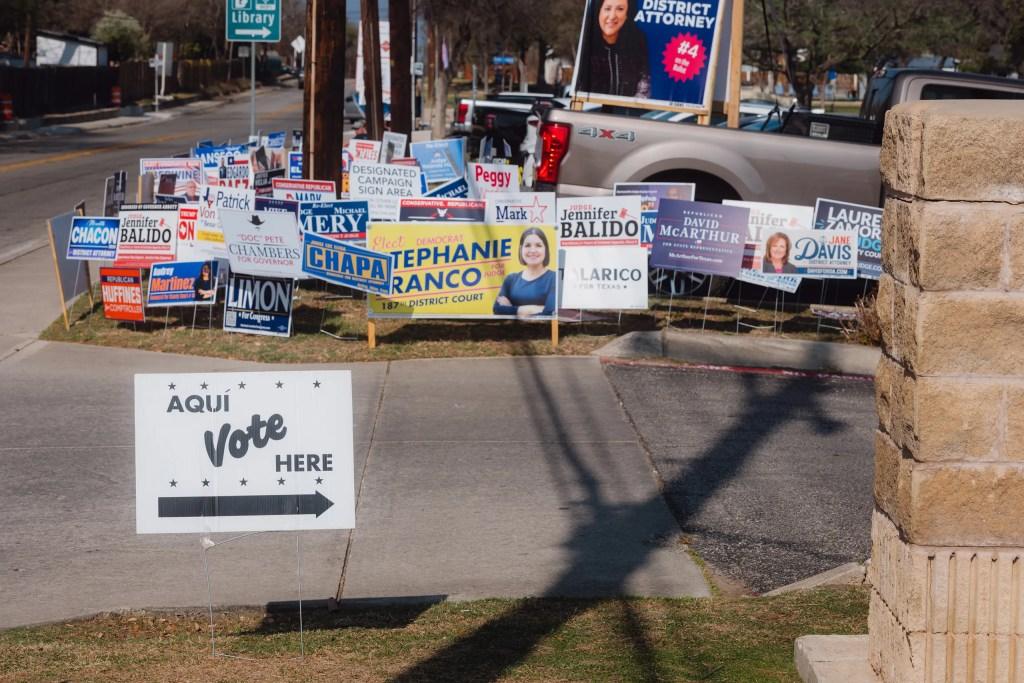
Texans are preparing for another significant election on May 2, as various cities and school districts, from Arlington to Hays, will hold elections. During these municipal elections, residents across Texas will have the opportunity to elect new mayors, city council members, and school board trustees, as well as vote on initiatives that may alter city policies or incur new debt.
To find out if elections are taking place in your community and how to participate, follow these guidelines.
What’s on the Ballot?
While some local governments conducted elections in November, others, including various cities and school boards, will hold their elections in May. This means that not all communities will have elections on the same date.
In addition to city councils and school boards, other special districts responsible for managing services such as water, hospitals, and community colleges may also conduct elections. To check for local elections in your area, visit your county’s election website for announcements, or consult the League of Women Voters for information on local chapters.
Key elections to watch this May include:
- Arlington mayor and city council
- Denton mayor and city council
- Waco mayor and city council
- Lubbock mayor and city council
- Dallas ISD school board
- Richardson ISD school board
- Carrollton-Farmers Branch ISD school board
- North East ISD school board
- Hays CISD school board
- Alamo Colleges District board of trustees
For Texas’ largest counties, here are the election websites:
- Harris County
- Dallas County
- Tarrant County
- Bexar County
- Travis County
- Collin County
- Denton County
- Fort Bend County
- Hidalgo County
- El Paso County
Important Dates
April 2 marked the final day to register to vote or update your address for the upcoming May 2 local elections. The deadline to apply for a mail-in ballot is April 20, a process that is limited in Texas. Early in-person voting is set for April 20 and from April 22 to April 28, although early voting will not occur on April 21, which is San Jacinto Day. Election Day is scheduled for May 2, when polls will be open from 7 a.m. to 7 p.m.
Voter Registration Requirements
If you have registered to vote in the past, you are likely still registered. However, it is advisable to verify your registration status, especially after a name or address change. You can check your voter registration status and confirm your information through the Texas Secretary of State’s website.
To log in, you will need one of the following combinations:
- Your Texas driver’s license number and date of birth.
- Your first and last names, date of birth, and county of residence.
- Your date of birth and Voter Unique Identifier, which appears on your voter registration certificate.
Changes in Residency
If you have moved after the voter registration deadline, you must reside in a Texas county or political subdivision by that deadline to vote in the upcoming election unless you qualify for absentee voting. You can still vote at your previous polling location if you moved within the same political subdivision, and in some cases, you may be allowed to vote at your new location on a limited ballot during early voting.
Understanding “Suspense” Status
If a county receives a non-deliverable notice after sending a voter registration certificate or suspects an address change, the voter may be placed on a “suspense list” and will need to confirm their address. Voters on this list can still vote if they update or confirm their address before the voter registration deadline or complete a “statement of residence” when voting. However, they may need to vote at their previous polling location or on a limited ballot. If no action is taken, they may be removed from the voter rolls after approximately four years.
Addressing Voter Registration Issues
If you have concerns regarding your voter registration, you can find your county’s voter registration contact online. Polling places typically have “resolution desks” where poll workers can assist with registration issues. For additional information regarding voter registration, visit votetexas.gov.
Voting in Person
Early voting will occur from April 20 and again from April 22 to April 28, with no voting on April 21 due to San Jacinto Day. On Election Day, May 2, polls will be open from 7 a.m. to 7 p.m. Voters with disabilities who cannot enter polling places may qualify for curbside voting.
Eligibility for Early Voting
All registered voters are eligible to vote early, although it must be done in person unless you qualify for mail-in voting. To find out where to vote, check your county’s election website or the governing body’s notice of the election.
Required Identification
To vote in Texas, you must present one of the following valid forms of photo ID:
- Texas driver’s license
- Texas election identification certificate
- Texas personal identification card
- Texas license to carry a handgun
- U.S. military ID card with a personal photo
- U.S. citizenship certificate with a personal photo
- U.S. passport
In Case of Missing ID
If you do not possess a valid photo ID, you can still vote by signing a declaration stating that obtaining a photo ID would pose a “reasonable impediment.” You will also need to provide one of the following supporting documents:
- Valid voter registration certificate
- Certified birth certificate
- Any government document confirming your identity
- Current utility bill, bank statement, government check, paycheck, or another document that includes your name and address.
If you forget your ID but have one, you can cast a provisional ballot, although you must visit the local voter registrar’s office within six days after the election to present acceptable identification for your vote to be counted.
Changing Voting Plans
If you planned to vote in person but can no longer do so, consider requesting an emergency early voting ballot or using curbside voting. Emergency ballots are available for those who become ill or disabled close to Election Day, and can also be requested for individuals unable to vote due to the death of a close family member. Contact your county elections office for more details.
Mail-in Voting Information
Voting by mail is limited in Texas, and you may qualify if you are:
- 65 years of age or older by Election Day
- Out of your county for the entire voting period
- Experiencing a sickness or disability
- Expected to give birth within three weeks of Election Day
- In jail but otherwise eligible
College students registered at a residence in Texas but studying out of state can apply for absentee ballots.
Identification for Mail-in Voting
When voting by mail, you must provide an ID number on your application and