







The Story of Houston’s Founding
At the heart of Texas lies a bustling metropolis known as Houston, a city that seamlessly blends innovation, culture, and history. Its story begins in the early 19th century, marked by ambition, determination, and a vision for the future. Houston’s founding represents not just the establishment of a city, but the beginning of a significant chapter in the evolution of the American Southwest. As America expanded westward, Houston emerged as a critical hub due to its strategic location and the enterprising spirit of its founders.
Two key figures, John Kirby Allen and Augustus Chapman Allen, played pivotal roles in sowing the seeds that would ultimately grow into one of the largest cities in the United States. Their journey to create Houston was not without challenges, but their bold aspirations and enduring dedication paved the way for future generations. This article explores the rich tapestry of events and influences surrounding the city’s founding, offering insights into the motivations and circumstances that led to the establishment of Houston.
Early Influences and Road to Foundation
The story of Houston’s founding is rooted in the broader context of Texas’s colonization and settlement patterns. The early 1800s were a period of considerable change, as Anglo settlers began to move into Spanish-held territories. Following the wave of colonization, tensions grew between settlers and the Mexican government, which eventually led to the Texas Revolution. This revolutionary fervor created a need for economic centers, and the Allens seized the opportunity.
In 1835, the Allen brothers arrived in Texas with a vision to build a town on the banks of Buffalo Bayou. They identified this location for its natural resources and ease of transportation, envisioning a trade hub that would connect settlers with the burgeoning markets of the region. Their ambition was to create a city that could rival San Antonio and even New Orleans, capitalizing on the area’s burgeoning economic potential.
The process began when the Allens purchased land from a land surveyor, who had initially obtained it under the promise of developing a new township. The brothers named their new city “Houston” in honor of Sam Houston, a military leader and a key figure in Texas history. This decision not only honored a prominent personality but also appealed to the supporters of Texas independence, embedding the city deeply in the ongoing narrative of the state’s identity.
The First Years: Challenges and Growth
From its inception, Houston was fraught with challenges. The brothers faced skepticism from their peers concerning whether their ambitious plans could ever flourish in such a rugged landscape. Nevertheless, they remained undeterred. In 1837, Houston was officially incorporated, marking a significant milestone in its journey from a relative wilderness to a recognized city. The Allens focused on developing essential infrastructure. They laid out streets, constructed buildings, and attracted settlers to come and establish businesses.
The early economy was heavily dependent on agriculture, with an emphasis on cotton cultivation. Prosperity attracted more settlers, leading to a rapid increase in the city’s population. Houston quickly developed a reputation as a gateway to the Southwest, serving as a critical transit point for goods traveling along the Gulf Coast and up into the heart of Texas.
However, economic growth did not come without setbacks. Houston faced a series of challenges including devastating floods, which periodically inundated the bayou region. Residents learned to adapt to these natural adversities, employing various engineering solutions to manage the unpredictable waters. The resilience of Houstonians would soon define the city’s character as it continued to evolve amidst adversity.
The Role of Transportation in Houston’s Development
Transportation played a crucial role in shaping Houston into a commercial powerhouse. Initially, the city relied on the Buffalo Bayou for river transportation, which allowed for the easy movement of goods to and from nearby settlements. The bayou’s navigability during this period was vital for Houston’s trade and commerce, as it connected the city to larger markets.
With the advent of the railroads in the 1850s, Houston experienced a dramatic transformation. Railroads revolutionized transportation in the United States, facilitating quicker and more efficient means for shipping goods and increasing access to diverse markets. The Houston and Texas Central Railway, opened in 1856, linked Houston with vital agricultural areas, enhancing its status as a central hub for the cotton trade. This connectivity not only spurred economic growth but also attracted large numbers of immigrants, further diversifying the city’s demographic composition. Houston rapidly became synonymous with opportunity and progress.
As railroads expanded, Houston’s strategic location on the eastern edge of Texas allowed it to become a staging ground for various industries. The combination of excellent transportation networks and fertile land resulted in a thriving economy. With the Civil War approaching, Houston’s economic stability was tested, but the infrastructural advancements laid down by the Allens and later pioneers ensured that the city remained resilient through turmoil.
Building a Cultural Identity
The founding of Houston is not just a story of economic development; it is also a tale of the rich cultural tapestry that emerged alongside the growing city. As settlers from different backgrounds migrated to Houston, the city began to flourish as a cultural melting pot. Early inhabitants varied from immigrants seeking a fresh start to working-class individuals drawn in by the promise of employment in agriculture, railroads, and burgeoning industries.
The city embraced a variety of traditions, languages, and culinary influences that would contribute to its unique identity. Festivals, fairs, and community gatherings became integral aspects of life in early Houston. Events such as the Houston Cotton Exchange laid the groundwork for the city’s deep connection to the cotton industry and helped establish Houston as a center of trade.
As Houston developed, educational institutions also began to take shape. The establishment of local schools and colleges in the late 19th century marked a commitment to literacy and education. This emphasis on knowledge would not only enhance the workforce but would further solidify Houston’s reputation as a forward-thinking city.
Houston’s Evolution into a Modern Metropolis
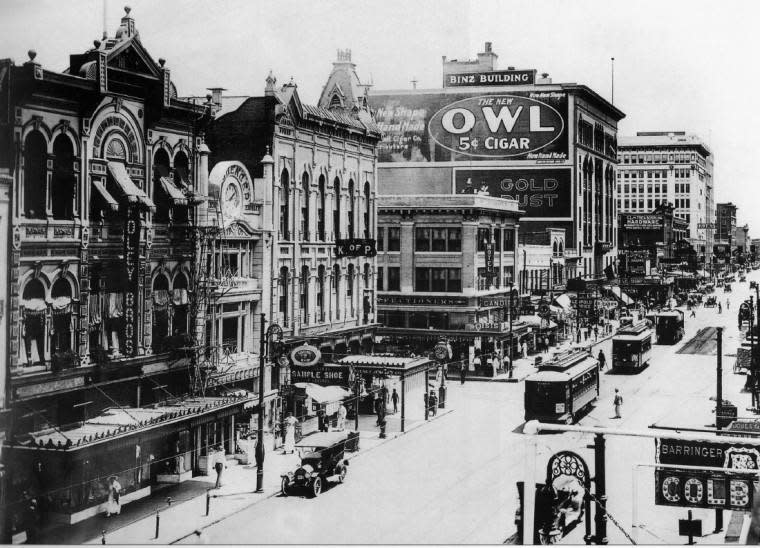
As the years progressed, Houston continued to evolve, particularly during the late 19th and early 20th centuries. The discovery of oil at Spindletop in 1901 had a profound impact on the city, transforming it into a leading center for the energy industry. The subsequent oil boom attracted businesses and workers, which contributed to an economic surge that reshaped Houston’s identity.
The technological advancements during this time period resulted in population growth. The city’s infrastructure expanded to accommodate the influx of newcomers, including improved transportation networks, residential areas, and commercial districts. Houston’s skyline began to take shape, indicating its aspirations as a modern metropolis.
Infrastructure advancements, including the construction of paved roads and highways, further solidified Houston’s status as a vital economic hub. Major corporations set up their headquarters in the city, driving innovation and attracting an educated workforce. By the mid-20th century, Houston was poised to become one of the largest cities in the United States, effectively positioned in the international arena.
Challenges and Resilience
Despite its rapid growth and progress, Houston was not shielded from challenges. The city faced significant hurdles, including economic recessions and natural disasters that threatened to derail its progress. Hurricanes, particularly Hurricane Harvey in 2017, revealed the city’s vulnerabilities and highlighted the importance of resilient infrastructure and disaster preparedness.
Nevertheless, Houston demonstrated an unwavering spirit of resilience. The community came together in the wake of disasters, showcasing solidarity and compassion. This cooperative mindset has historically encouraged citywide initiatives aimed at integrating better flood control systems, emergency response protocols, and community planning solutions.
Houston’s ongoing commitment to sustainable growth has made it a model for urban development. As a city that understands the challenges of the natural environment, officials and citizens alike are working proactively to create a future that balances economic prosperity with ecological responsibility.
Conclusion: The Legacy of Houston’s Founding
The story of Houston’s founding is one of vision, determination, and human ingenuity. From the bold aspirations of the Allen brothers to the City’s emergence as a modern metropolis, each chapter in Houston’s history reflects the character of its people. Today, Houston represents a vibrant and ever-evolving community that continues to welcome diverse influences while honoring its historic roots.
As Houston forges ahead, it remains committed to nurturing an environment of innovation and inclusivity, ensuring that the legacy established in its founding years continues to flourish. As challenges arise, the spirit of resilience resonates in the city, a constant reminder of the profound determination that built this remarkable place. Houston stands not only as a testament to its founders but as a dynamic beacon for the future.