







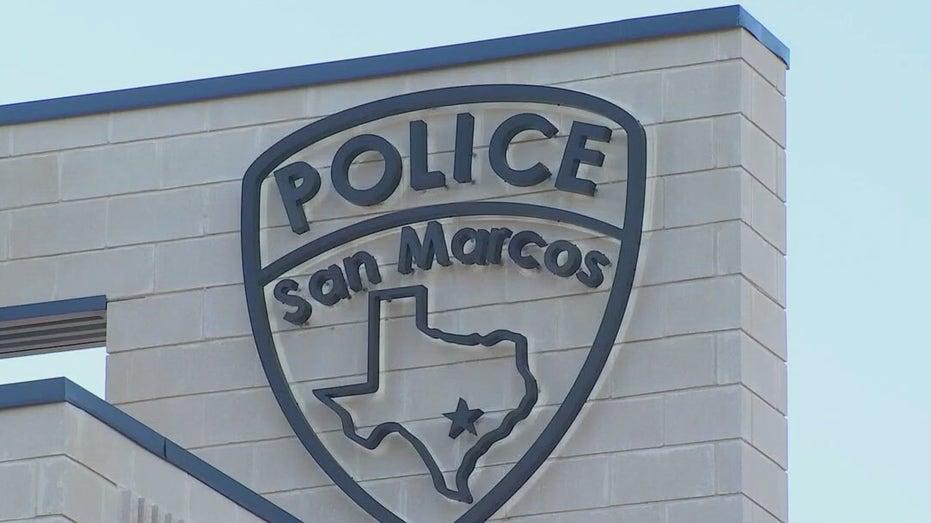
The San Marcos Police Department has reached a significant achievement, with over half of its officers now certified as Mental Health Peace Officers (MHPO).
This certification, which is held by 76 officers—representing 59% of the department—equips them with skills to effectively manage situations involving individuals in mental health crises.
Insights from Leadership
San Marcos Police Chief Stan Standridge emphasized the department’s commitment to de-escalation strategies, stating, “We want to focus on deescalation, and we do a lot of that by slowing everything down. We want to buy time.” He believes this training will result in fewer incarcerations and provide better assistance to those in need.
Achieving MHPO certification involves a rigorous process. Candidates must be active officers for a minimum of two years and fulfill prior training requirements before undergoing extensive specialized instruction.
“The officers collectively, just in the year 2025, had 4,200 hours of training to make this happen,” Chief Standridge noted.
The training program is led by Corporal Joe Osbourne, who manages the department’s mental health unit. The curriculum incorporates insights from individuals with personal experience in mental health, as well as input from regional mental health professionals. Officers also utilize Virtual Reality headsets to simulate interactions with mental health clients, mimicking real-life scenarios they may encounter in the field.
Austin’s Innovative Program
In parallel, the city of Austin is also rethinking its approach to mental health emergencies. A pioneering pilot program aims to intervene early in crises, preventing situations from escalating.
Chief Standridge explained, “They put those on, and they ran through simulated scenarios where they were required to engage with mental health clients to replicate the exact type of calls they’re going to make out on the streets of San Marcos.”
He first advocated for this training in early 2025, driven by data indicating a pressing need for officers to be equipped to handle mental health-related incidents. Since 2023, the department has responded to over 8,000 mental health calls and has executed more than 800 emergency detention orders.
“It’s been truthful, especially for the state of Texas, that for most of our history our county jails have been the de facto largest mental health providers,” Standridge remarked.
The department is optimistic that with more than half of its officers now certified, they will be better positioned to de-escalate crises, leading to individuals receiving the appropriate care in mental health facilities rather than in local jails.
Already, Standridge shared that they have witnessed positive outcomes in real-life situations. “We’ve had two scenarios, one involving a veteran who said he was going to kill himself. And I’m happy to report that one of those newly certified peace officers served as the primary negotiator on that patrol-driven call,” he said, highlighting a peaceful resolution without the need for a negotiator or SWAT intervention.
Looking Ahead
As the department prepares for 2026, it is focusing on a more proactive strategy. The San Marcos Mental Health Unit currently conducts regular check-ins with individuals who have a history of mental health challenges. Chief Standridge aims to allocate more officers to this initiative in the coming year, with the goal of preventing crises before they arise.
The department remains committed to ongoing training, striving to ensure that as many officers as possible achieve Mental Health Peace Officer certification.