







As the trend of declining alcohol consumption continues, local music venues are adapting to this new landscape. A recent Gallup poll highlighted that only 58% of Americans reported drinking alcohol last year, a decrease from 62% in 2023. This shift poses additional challenges for bars, restaurants, and music venues that were already struggling in the aftermath of the pandemic.
Businesses are grappling with ongoing inflation and rising consumer costs, leading many to prioritize essential purchases over discretionary spending. The Texas Restaurant Association indicated that as many as 40% of respondents noted a decrease in alcohol sales compared to the previous year.
Traditionally, many individuals turned to alcohol to alleviate stress, but recent trends suggest a shift among younger generations. Many are opting for social activities that don’t involve alcohol, driven by motivations such as saving money and prioritizing health. The Texas Restaurant Association’s quarterly survey confirms that this decline in alcohol consumption is particularly pronounced among Gen Z and millennials.
Brooks Kendall, co-operator of The Post and president of Afallon Productions, emphasized that alcohol sales are vital for the revenue of venues like The Post. While ticket sales and nonalcoholic beverages contribute to income, the consistent drop in alcohol sales is concerning. This trend not only impacts the venues but also affects live music and the artists performing.
“Live local music in small independent venues has historically been funded by alcohol sales,” Kendall stated. “Until a new revenue model becomes equally effective, a decline in alcohol sales directly harms the local music scene.”
In response to the challenges posed by declining alcohol sales, several establishments are introducing mocktail menus that offer flavorful nonalcoholic options. However, many mocktails can be high in sugar, with some containing between 10 to 30 grams per drink, which could lead to other health concerns.
Another element influencing this trend is the rising popularity of GLP-1 medications like Ozempic, which are used for weight management. These drugs can alter how alcohol affects users, possibly contributing to the decrease in consumption.
While the legal landscape surrounding THC remains somewhat ambiguous, numerous local venues have begun offering THC-infused beverages. Martin House Brewery has taken innovative steps, creating a hemp-derived Delta-9 THC seltzer called Power House, which has gained popularity since its launch a year ago, appealing to both drinkers and non-drinkers alike.
Alcohol-serving businesses are facing an array of challenges, from the lingering effects of the pandemic to the rise of GLP-1 medications, THC beverages, and high inventory costs. Elevated prices are also keeping potential customers at home more frequently.
The decline in alcohol sales extends beyond bars and restaurants, affecting liquor stores as well. Ashok Shrestha, manager of Fort Worth Discount Liquor, reported a 15% to 20% sales drop since last year. He attributes this trend to younger consumers gravitating towards seltzers and innovative fusion products. To counter this decrease, Discount Liquor has partnered with services like Uber Eats and DoorDash to enhance accessibility for customers.
There is also a growing interest in alcohol-free events, with numerous gatherings being organized across the country, including in Fort Worth, featuring coffee and cacao socials as well as all-ages sober celebrations.
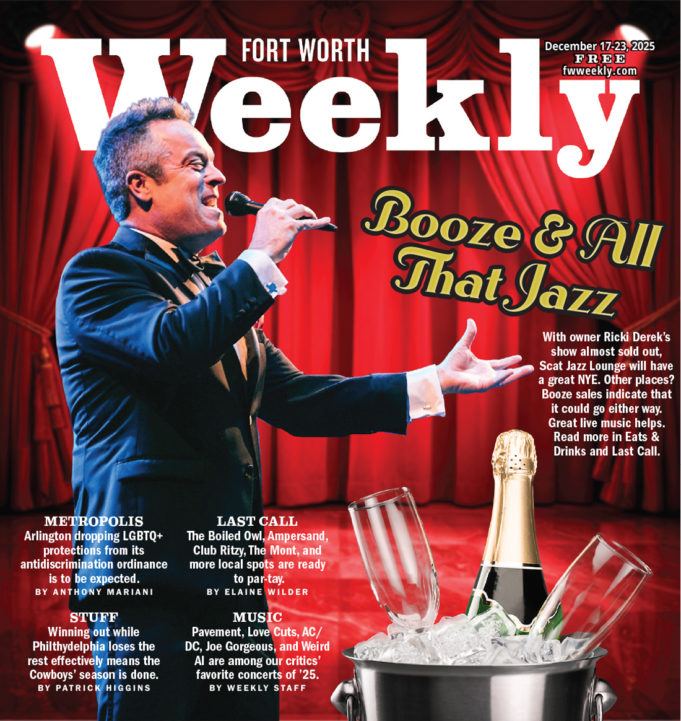
Despite the general downturn in alcohol sales, some venues are thriving. Cary Ray, managing partner of Scat Jazz Lounge, reported that his establishment has not faced significant revenue changes despite the overall decline in alcohol sales. Scat Jazz’s business model, which relies less on alcohol sales, has helped it remain stable. Approximately 60% of its income comes from entry fees, 32% from nonalcoholic food and drink, and only 8% from alcohol.
Scat Jazz operates more like a showcase or a post-dinner club than a typical bar. Patrons must purchase at least two items from the menu, which can include food or nonalcoholic drinks such as pure cane sugar sodas, hot tea, or Topo Chico.
Having recently celebrated 18 years in business, Scat Jazz has adapted its operational model by eliminating standing room tickets, limiting group sales, and maintaining an audience size of 100 to 120 per show, fostering a more exclusive atmosphere for live jazz.
Kendall acknowledged that diversifying nonalcoholic drink offerings can mitigate some losses, but it cannot completely bridge the gap. To remain viable and continue supporting local music, he predicts that both drink and ticket prices will need to rise to compensate for the decrease in volume.