








The FBI has issued a warning regarding an increase in romance scams as Valentine’s Day approaches. One particular case from Texas exemplifies the dangers, where a scammer deceived a family out of $18,000.
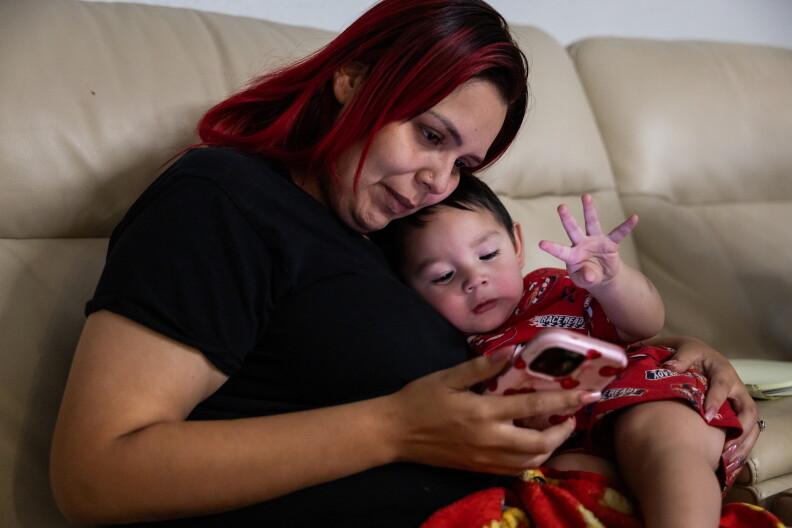
Rob, a resident of Pennsylvania, shared how the ordeal began when his wife received a friend request on TikTok last August. Over the following days, she accepted 16 new friend requests, one of which would lead to a significant financial loss.
The scammer, who falsely claimed to reside in Texas, engaged Rob’s wife in what she believed to be a romantic relationship. “He used all kinds of language, like ‘I will take care of you to the end of the world,’” Rob recounted, highlighting how quickly the conversation escalated.
Describing the relentless nature of the scammer’s messages, Rob referred to it as “love bombing,” a tactic aimed at overwhelming the recipient with affection and attention.
Eventually, the scammer began requesting money, claiming he needed funds to communicate with his two young daughters, who he said were being cared for by military personnel. “He used his two kids to guilt my wife into sending him money,” Rob explained, revealing the emotional manipulation involved. Promises of packages supposedly on their way never materialized.
Feeling suspicious, Rob took the drastic step of accessing his wife’s phone and email, an action he never imagined he would take. What he uncovered was alarming: “In five months, she gave $18,000,” Rob said, adding that the money was sent through both traditional transfers and gift cards.
Fortunately, Rob’s wife ended the relationship with the scammer two weeks ago. However, the experience has deeply impacted their marriage. “It affected our marriage a lot,” Rob admitted. “It can end a marriage.” Despite the turmoil, the couple is currently in counseling and working to stay together.
Experts indicate that incidents like this are becoming more frequent and increasingly sophisticated. Megan Rolander, a former FBI Cybersecurity Agent, noted that scammers often initiate contact through dating apps or social media, employing tactics designed to evoke romantic feelings.
With advancements in artificial intelligence, these scams are becoming harder to detect. “They can use AI to try to make the language look fluent, create realistic images, and even establish entire social media profiles that appear legitimate,” Rolander explained.
Potential warning signs include the scammer refusing to meet in person, frequently claiming to be traveling abroad, or insisting on moving conversations off the original platform. Rolander stresses, “If you have not met them in person, do not send them money,” as recovering funds once sent is extremely challenging.
The FBI’s Internet Crime Complaint Center reported that Texans lost over $57 million to romance and confidence scams in 2024 alone, emphasizing the urgency of awareness as Valentine’s Day approaches.