








Top Historic Landmarks to Visit in San Antonio, Texas
Home to a unique blend of cultures, San Antonio, Texas, is a city that thrives on its rich history and vibrant heritage. With its stunning Spanish colonial architecture, significant battle sites, and dynamic local customs, San Antonio is a treasure trove of historic landmarks waiting to be explored. From the legendary Alamo to the picturesque River Walk, visitors are treated to an authentic slice of Texas history at every corner.
As one of the oldest cities in Texas, San Antonio has evolved over centuries, drawing visitors from across the globe to witness its dramatic past and cultural evolution. This article highlights some of the top historic landmarks that showcase the city’s diverse history, making it a must-visit destination for anyone intrigued by America’s past and the profound stories etched in its walls.
The Alamo: A Symbol of Texas Independence
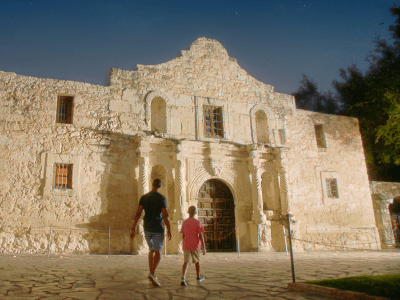
The Alamo, perhaps the most recognized historic site in Texas, is a former Spanish mission and the site of a pivotal 1836 battle during the Texas Revolution. This storied structure serves as a solemn reminder of the brave individuals who fought and died in their quest for independence. Today, the Alamo stands not merely as a building but as a powerful symbol of liberty and resilience.
Originally established in the early 18th century, the Alamo was designed as a sanctuary for missionaries and a base for Christian evangelism among the region’s Indigenous populations. However, its role shifted dramatically during the Texas Revolution when it became a fortress for Texian forces. The famous siege lasted from February 23 to March 6, 1836, leading to the loss of many lives and resulting in the rallying cry of “Remember the Alamo!” that motivated Texans in subsequent battles.
The Alamo complex includes several buildings and gardens that have been meticulously preserved and restored. Visitors can explore the mission church, which remains an active historical site, along with a museum housing artifacts from the battle and the era. Engaging tours provide a deeper understanding of the events that transpired and the significance of the Alamo in Texas history. The site’s aura, with its weathered stone walls and rich narrative, captivates all who visit.
San Antonio Missions National Historical Park: A UNESCO World Heritage Site
Designated as a UNESCO World Heritage Site in 2015, the San Antonio Missions National Historical Park is a testament to the region’s deep-rooted history and the influence of Spanish colonization. The park encompasses four historic missions: Mission Concepción, Mission San José, Mission San Juan, and Mission Espada, each of which played a critical role in the establishment of Spanish presence in Texas during the 18th century.
Mission Concepción, founded in 1731, is the oldest unrestored stone church in Texas and features beautiful frescoes that reflect the artistry of the period. Mission San José, often referred to as the “Queen of the Missions,” is notable for its impressive architecture and educational programs, which focus on the daily life of the mission’s inhabitants. The missions, with their stunning churches and sprawling grounds, showcase the ingenuity and craftsmanship of early Spanish settlers.
Visitors to the park can enjoy walking trails that connect these missions along the San Antonio River, offering a breathtaking view of the landscapes that shaped the area. Each mission provides insights into the cultural interactions between Spanish settlers and Indigenous peoples, making it an essential stop for those interested in understanding the complex history of Texas. The tranquil environment of the missions, combined with informative displays and knowledgeable guides, ensures that every visit is enlightening and enriching.
Recreational Activities and Visitor Experience
The park not only serves as a historical journey but also as a recreational haven. With numerous hiking and biking trails, visitors can enjoy the Texas countryside while immersing themselves in the rich past. Birdwatching and photography present additional opportunities for nature lovers to appreciate the diverse flora and fauna native to the region. Every visit can be a blend of education, adventure, and relaxation, making it a favorite spot for locals and tourists alike.
The River Walk: A Historical and Cultural Hub
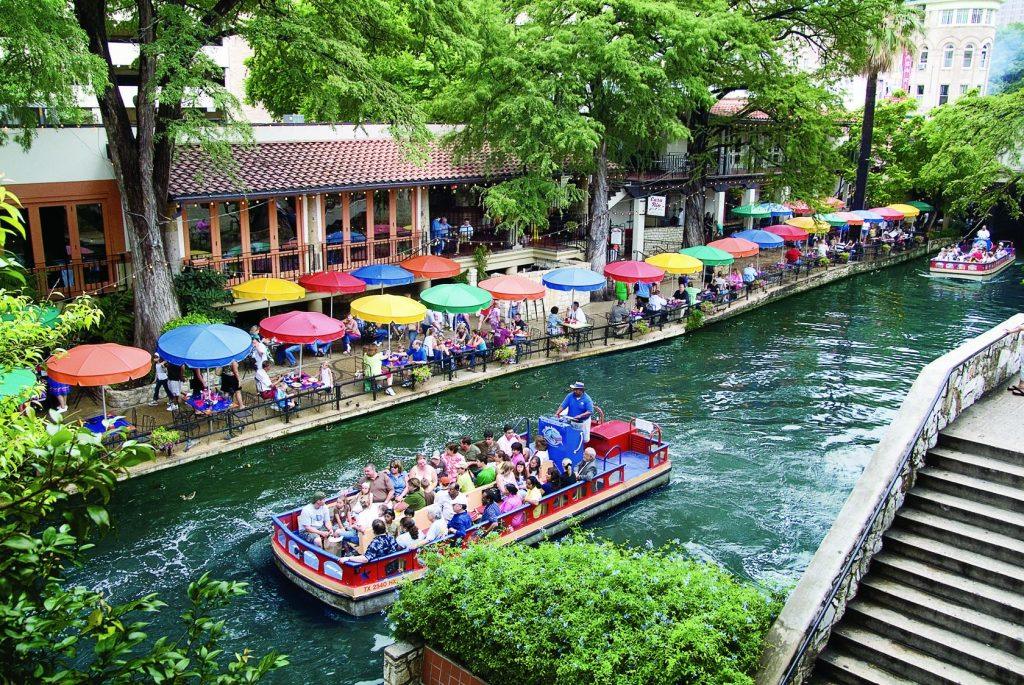
San Antonio’s River Walk, or Paseo del Rio, is not just a picturesque waterway but a bustling entertainment district steeped in history. Developed in the 1930s as a flood control project, the River Walk has evolved into one of the city’s most beloved attractions, offering scenic walks, dining, and shopping along the banks of the San Antonio River. It is an ideal representation of how urban development can coexist with natural beauty and history.
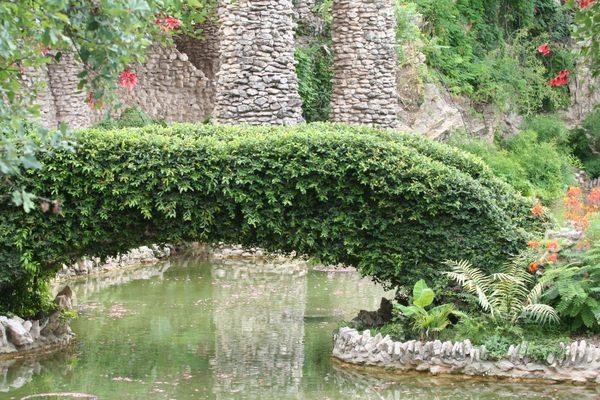
Covered with lush landscapes and adorned with charming bridges, the River Walk is lined with restaurants, shops, and art galleries showcasing local talent. The stroll along the river is historically significant—a connection to the colonial roots of San Antonio, where early settlers used the river for transportation and commerce. Interpretive signage along the walk offers insights into the area’s history and the impact of the river on the city’s growth.
Numerous events are held throughout the year on the River Walk, including the famous Fiesta River Parade and various cultural festivals, further emphasizing its role as a vibrant cultural hub. Whether visitors choose to enjoy a casual boat ride, dine with a view of the water, or explore the unique shops and galleries, the River Walk provides an engaging experience that reflects the heart and soul of San Antonio.
Accessing the River Walk Experience
One of the most unique aspects of the River Walk is its accessibility. Visitors can easily navigate between various landmarks and attractions, making it an ideal starting point for anyone looking to explore the downtown area. With its vibrant atmosphere and historical significance, the River Walk truly embodies the spirit of San Antonio—an ever-evolving tapestry of culture, history, and community.
Spanish Governor’s Palace: A Glimpse of Colonial Life
The Spanish Governor’s Palace, often regarded as the oldest continuously inhabited building in San Antonio, offers visitors an intimate glimpse into colonial life. Constructed in the 18th century, the palace served as the residence for Spanish governors and a center for political activity during a tumultuous era in Texas history. This magnificent structure is considered a symbol of Spanish heritage and colonial architecture in the state.
The palace is characterized by its elegant design, featuring arched doorways, beautiful courtyards, and charming gardens filled with native plants. Each room is rich with artifacts and exhibits that tell the story of the Spanish influence in the region, including period furnishings and decorative arts that showcase the craftsmanship of the time. The serene courtyard gardens provide a peaceful escape from the bustling city, allowing visitors to reflect on the storied past of the site.
Guided tours are available, providing insight into the daily lives of those who once inhabited the palace. Visitors learn about the governance, trade, and cultural exchanges that defined the Spanish colonial period. The Spanish Governor’s Palace stands as a reminder of the complex cultural narratives that have shaped San Antonio, making it a memorable stop on any historic journey through the city.
Events and Community Engagement
The site also engages with the community through various educational programs and events that celebrate the cultural heritage of San Antonio. Art exhibits, cultural festivals, and history reenactments take place, bringing the past to life and allowing visitors to actively participate in the region’s historical narrative.
Historic Market Square: A Cultural Crossroads
Viva Mexico! Market Square, known as El Mercado, is another emblematic landmark of San Antonio that captures the essence of its cultural diversity. Established in the 1800s, this vibrant area serves as a hub for Hispanic culture, offering a lively marketplace filled with shops, restaurants, and entertainment that pay homage to the city’s rich Mexican heritage.
The square is renowned for its colorful stalls, local artisans, and delicious food—a feast for the senses. Visitors can explore a range of goods, from handmade crafts and jewelry to authentic Mexican cuisine, including tamales, tacos, and churros, making it a culinary adventure. The atmosphere is often electric, with live music, dance performances, and local celebrations filling the air, showcasing the vibrant culture of San Antonio.
Historic Market Square is not only a place to shop and eat but also serves as a dynamic space for cultural exchange and community engagement. Events such as the annual Fiesta and other cultural festivals draw people together to celebrate the diverse heritage of San Antonio. These gatherings foster a sense of belonging and pride among residents and visitors alike, making it an essential landmark in understanding the city’s cultural landscape.
Accessibility and Community Engagement
El Mercado’s accessibility enhances its appeal, with convenient options for public transport and ample parking. The market’s proximity to other historic sites makes it a perfect stop for anyone delving into San Antonio’s rich history. With its lively ambiance and cultural offerings, Market Square is more than a destination; it’s a celebration of the spirit of San Antonio.
Wrapping Up the Historic Journey
The historic landmarks of San Antonio offer a fascinating exploration of the city’s past, revealing stories of struggle, triumph, and cultural exchange. Each site captures a unique chapter in the complex history of Texas, allowing visitors to appreciate the breadth of human experience that shapes this vibrant city. Whether it’s standing in awe at the Alamo, wandering through the beautiful San Antonio Missions, or enjoying the lively atmosphere of the River Walk and Market Square, each landmark serves as a portal into the past. As you walk the storied streets of San Antonio, remember that your journey is not just through time but also through the rich tapestry of cultures that make this city a true gem in the heart of Texas.
The convergence of history, culture, and community spirit found in San Antonio’s landmarks ensures that visitors not only have a memorable experience but also gain a deeper understanding of what makes this city so special. The stories behind these sites resonate through generations and continue to foster a connection to the past that is as vital today as it ever was. So, whether you are a history buff, a culture enthusiast, or simply seeking a place to experience the essence of Texas, San Antonio’s historic landmarks are waiting to share their stories with you.