







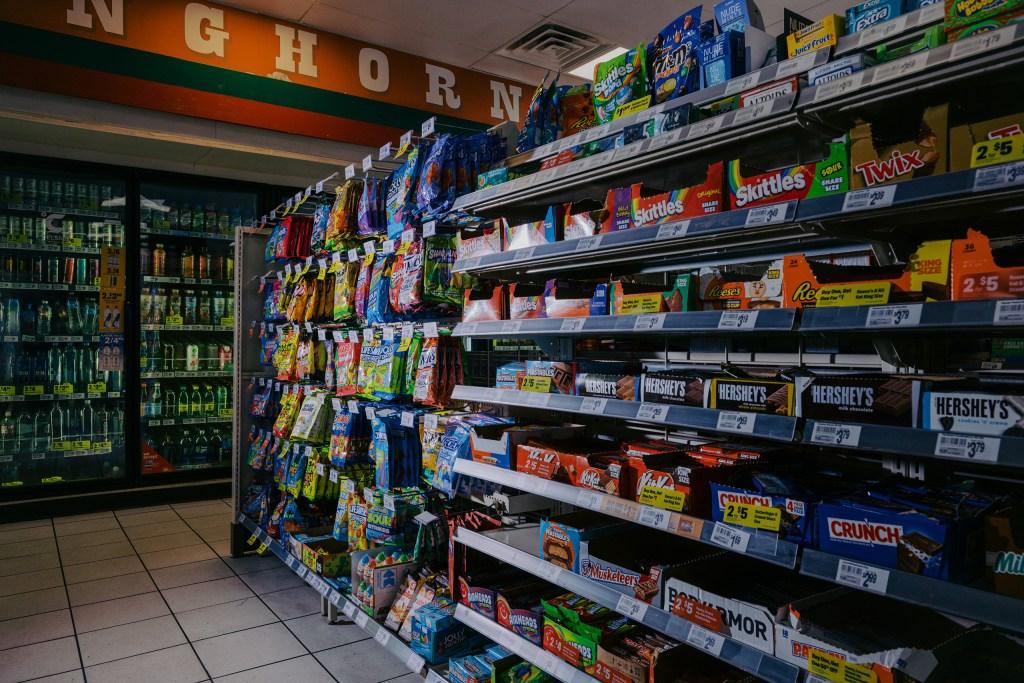
Starting April 1, new restrictions will take effect for food stamp recipients in Texas, impacting millions of residents. Senate Bill 379, part of Governor Greg Abbott’s “Make America Healthy Again” initiative, prohibits the use of Supplemental Nutrition Assistance Program (SNAP) benefits for purchasing sweetened beverages and candy.
Governor Abbott highlighted the significance of this legislation, stating, “Texas is leading the way in aligning SNAP benefits with healthier food options. By implementing these changes, we encourage better nutrition and ensure this program helps families access nutritional food.” He expressed gratitude towards the Trump Administration and the Texas Health and Human Services Commission for their efforts to strengthen the program.
While the bill garnered bipartisan support, some Democratic lawmakers expressed concerns about its implications. Senator Borris Miles from Houston acknowledged the bill’s intention but pointed out that many individuals in both urban and rural areas struggle to find nutritious food. Similarly, Senator Nathan Johnson from Dallas suggested that if the goal is to enhance nutrition for Texans, the legislature should consider doubling the value of food stamps for fresh produce, thereby incentivizing retailers to stock healthier options.
The SNAP program is designed to assist low-income individuals and families in purchasing food. Eligibility is determined by income, with individuals qualifying if they earn $2,152 a month or less, and families of four qualifying at $4,421 a month or less. Approximately 3.5 million Texans, including 1.7 million children, rely on SNAP assistance monthly. The recent changes come in the wake of significant cuts made to the program during the Trump administration, which reduced funding by approximately $186 billion over a decade and imposed stricter work requirements and purchasing restrictions affecting over 40 million SNAP users nationwide.
What Items Are Restricted?
Beginning April 1, SNAP benefits will not cover sweetened beverages that contain 5 grams or more of added sugar per serving or any amount of artificial sweetener. This includes regular and most diet sodas, as well as drinks with less than 50% vegetable or fruit juice. Additionally, candy—ranging from candy bars to gum and any fruit that has been candied or coated—is also banned under this legislation.
Other exclusions from SNAP benefits have long included tobacco, alcohol, vitamins, and non-food items. Prepared or hot foods, such as rotisserie chicken, are also ineligible for purchase. However, the governor has previously lifted these restrictions during emergencies.
Permitted Purchases with SNAP
Under the new rules, beverages with less than 5 grams of added sugars that do not contain artificial sweeteners are permissible. Products used for cooking, including chocolate bits and sprinkles, along with sweet snacks such as ice cream, sherbet, and frozen yogurt, will remain eligible. SNAP benefits can still be used for fruits, vegetables, dairy products, bread, cereal, meat, fish, and poultry, as well as beverages containing more than 50% vegetable or fruit juice.
How to Identify Restricted Items
To determine if a food item falls under the new SNAP restrictions, consumers should check the product’s nutrition label for its sugar content. The amount of added sugars is typically listed under the “Total Carbohydrate” section, and the ingredient list will indicate the presence of artificial sweeteners. Retailers are expected to provide clear signage in stores to assist customers in navigating these changes.
Feeding Texas has clarified that all candy, including low-sugar varieties and dark chocolate, is ineligible for purchase using SNAP benefits. However, accidental purchases of restricted items will not result in the loss of benefits, as retailers are responsible for properly coding products.
Retailer Compliance and Concerns
The Texas Health and Human Services Commission (HHSC) has issued guidelines for retailers to ensure compliance with SB 379. These guidelines include verifying which products are restricted, updating store purchasing systems, and training staff to understand the new regulations. Lorna Ramage, deputy director of communications at Every Texan, voiced concerns that these requirements may disproportionately burden small businesses, which are vital for serving food-insecure populations, particularly in remote areas.
“Texas is home to the highest number of food insecure people in the U.S. We need all the SNAP retailers we can find,” Ramage emphasized, noting the potential for increased hunger among Texas families due to these changes.
Recent Changes to the SNAP Program
In addition to the new restrictions, recent legislation has introduced work requirements for SNAP recipients. Starting in November 2025, individuals must work or participate in a work program, such as SNAP Employment and Training, for at least 80 hours per month to maintain their benefits. This applies to able-bodied individuals aged 18 to 65 without dependents, as well as parents and household members of dependent children aged 14 or older. Previously, those with children under 18 were exempt from such requirements.
The legislation also limits benefits to certain lawful permanent residents and U.S. citizens, excluding others who are legally present, such as those granted conditional entry under asylum or refugee laws.