








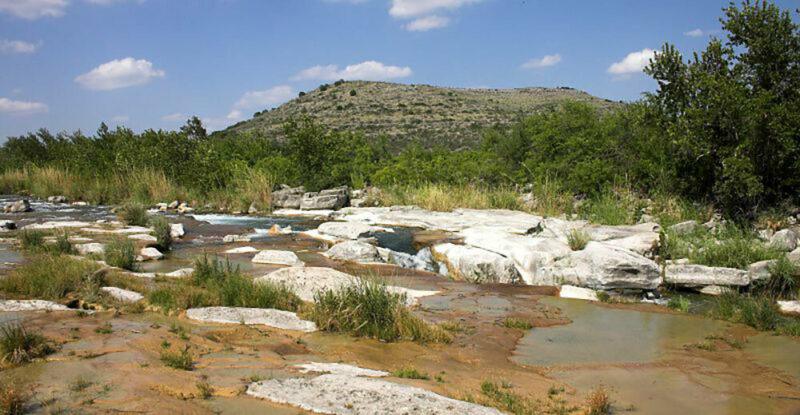
Flowing through the heart of Texas, the state’s rivers not only serve as vital waterways but also shape the surrounding landscapes, ecosystems, and communities. From the meandering paths of the Brazos River to the dramatic canyons carved by the Rio Grande, Texas rivers embody a rich tapestry of history, culture, and natural beauty.
As we explore the significance of these waterways, it becomes clear that Texas rivers are more than mere bodies of water; they are dynamic forces that influence everything from agriculture to urban development. The natural landscapes adjacent to these rivers are testaments to the geological processes that have shaped the state over millions of years, making them critical to understanding both Texas’s past and its future.
The Majestic Flow of the Rio Grande
The Rio Grande, often recognized as the border between the United States and Mexico, meanders through a diverse array of landscapes, ranging from arid deserts to lush river valleys. As one of the longest rivers in North America, its waters have shaped the geography of the Southwest and have been crucial for irrigation, recreation, and trade.
Originating in the San Juan Mountains of Colorado, the Rio Grande travels over 1,800 miles, ultimately emptying into the Gulf of Mexico. Its journey through Texas is particularly striking, as it passes through dramatic landscapes like the Big Bend National Park. Here, the river cuts through the rugged Chisos Mountains, creating breathtaking views that draw nature enthusiasts and tourists alike. The contrasts in the landscape—including steep cliffs, sandy shores, and vibrant desert flora—highlight the river’s role as a carving tool, shaping the topography over millennia.
Moreover, the Rio Grande holds significant cultural and historical importance. Indigenous tribes have relied on its waters for sustenance for centuries, and it became a major corridor for explorers and settlers in the 19th century. Its banks are lined with historic missions and settlements that reflect a melding of cultures, particularly in cities like San Antonio, which boasts the famous River Walk. This urban development showcases how natural features can be transformed into thriving cultural centers.
Ecological Impact of the Rio Grande
The ecological significance of the Rio Grande cannot be overstated. As it flows through various ecosystems, it supports a diverse array of wildlife. The river is a critical habitat for numerous species, including the endangered whooping crane and the elusive American paddlefish. Conservation efforts are vital to protect these species, especially as the river faces challenges from urban development, water diversion, and climate change.
The Rio Grande also plays a critical role in the agriculture of the surrounding regions. Farmers depend on its waters for irrigation, growing essential crops such as cotton, pecans, and citrus fruits. This agricultural reliance underscores the need for sustainable water management practices that ensure the river remains healthy, balancing human needs with ecological preservation.
The Brazos River: Texas’ Lifeline
The Brazos River, stretching over 840 miles, is another significant waterway that flows across a variety of Texas landscapes. Starting in the northern part of the state and winding its way south to the Gulf of Mexico, the Brazos River is often considered the lifeblood of Texas agriculture and industry.
Historically, the Brazos River served as a transportation route for goods, particularly during the era of westward expansion. Towns along its banks, such as Waco and Bryan, developed rapidly as they became hubs of commerce. Today, the Brazos remains vital for shipping and transporting agricultural products, with its waters serving the needs of local farmers.
The river’s flow is also essential for recreational activities. It attracts fishing enthusiasts, kayakers, and campers, offering numerous opportunities for outdoor activities amidst its picturesque scenery. As it meanders through valleys, the Brazos reveals a diverse range of landscapes, including lush forests, open fields, and striking rock formations. The fact that it traverses multiple ecosystems enhances its significance as a natural resource.
Conservation Challenges of the Brazos River
Despite its importance, the Brazos River faces several conservation challenges. The increasing demand for water from a growing population, coupled with agricultural needs, places immense pressure on its flow. Water quality issues, including agricultural runoff and urban pollution, also threaten the delicate ecosystems that depend on the river.
Efforts are being made to address these challenges through community engagement and policy initiatives. Conservation groups have mobilized to raise awareness about the critical state of the Brazos, advocating for sustainable practices among farmers and city planners. Innovative solutions, such as water recycling and conservation education programs, are being implemented to reduce water consumption and enhance quality.
The Colorado River: A Vital Resource
The Colorado River is another major waterway that plays a significant role in the landscapes and communities of Texas. With a length of approximately 862 miles, the river originates in the Rocky Mountains and flows into the Gulf of Mexico, presenting a corridor of ecological and recreational wealth.
The Colorado River is a key source of water for several major cities, including Austin and San Angelo. This dependency for drinking water and irrigation underscores the river’s importance in urban planning and resource management. Additionally, its waters are integral to Texas’s agricultural industry, facilitating the production of various crops and livestock. The river’s basin is known for its rich soil, which contributes to the abundant agricultural output seen in the region.
Beyond its utility, the Colorado River is also a celebrated destination for recreation, offering activities such as floating, fishing, and swimming. The scenic beauty of its banks attracts locals and tourists alike, reinforcing the importance of preserving these landscapes. As people flock to the river for leisure, its role in fostering community and tradition is clear.
Threats to the Colorado River Ecosystem
The Colorado River’s ecosystem faces significant threats, particularly from over-extraction and pollution. Urban development along its banks has exacerbated issues related to habitat loss and water quality degradation. As cities expand, wetlands are often compromised, impacting wildlife and altering the natural flow of the river.
Conservation efforts are underway to mitigate these threats, with initiatives focused on habitat restoration and pollution control. Organizations have partnered with local governments to promote sustainable land use practices and educate residents on the importance of water conservation. By fostering community involvement, these programs aim to unite people in efforts to protect this critical natural resource.
The Pecos River: An Arid Oasis
The Pecos River is often regarded as an oasis in the arid deserts of West Texas. With a length of around 926 miles, it flows through some of the most rugged and remote landscapes the state has to offer. Originating in the Sangre de Cristo Mountains of New Mexico, the river traverses a diverse environment characterized by sandstone cliffs and desert terrain.
The Pecos River is essential for agriculture in the region, providing water for irrigation in an otherwise dry environment. The river’s waters are used effectively to sustain cotton, hay, and other crops vital to the economy. Historically, it has also been a critical source of water for livestock, making it indispensable for ranching operations throughout the area.
The river’s unique landscapes, including canyons and mesas, offer opportunities for outdoor adventures such as hiking, fishing, and wildlife observation. Its ecosystems are home to a variety of species, including birds and mammals adapted to its stark environment. As such, the Pecos River serves not only as a resource for humans but also an important habitat for wildlife.
Managing Water Resources along the Pecos River
Despite its significance, the Pecos River faces challenges related to water scarcity and environmental degradation. Factors such as prolonged drought and increased demand for irrigation water have led to declining river flows. Additionally, invasive species pose a threat to the native flora and fauna, disrupting the ecological balance.
To combat these challenges, water management initiatives have been developed. Collaborative efforts among stakeholders, including government agencies, local communities, and conservation organizations, aim to create sustainable solutions for water use. Strategies such as wildlife protection, habitat restoration, and community awareness campaigns are crucial in ensuring the health of the Pecos River for generations to come.
The rivers of Texas are more than geographic features; they are lifelines that shape the state’s identity. From the lush banks of the Brazos to the arid paths of the Pecos, each river tells a unique story about the landscapes they traverse and the communities they support. The ongoing challenge lies in ensuring these waterways remain healthy and vibrant, continuing to offer their rich resources while supporting the diverse ecosystems they harbor.