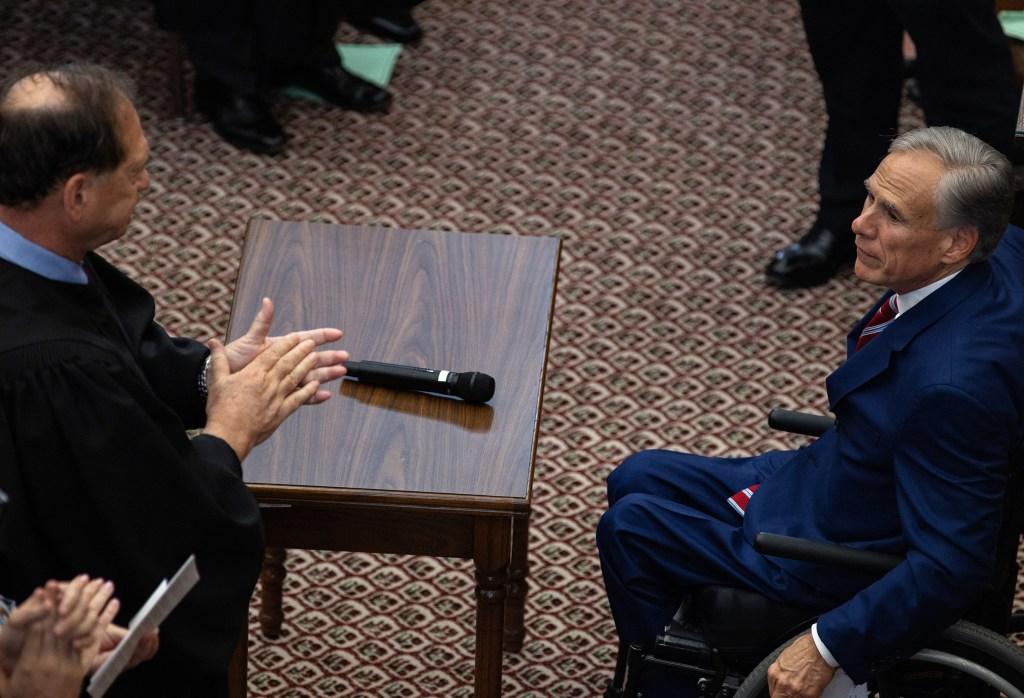







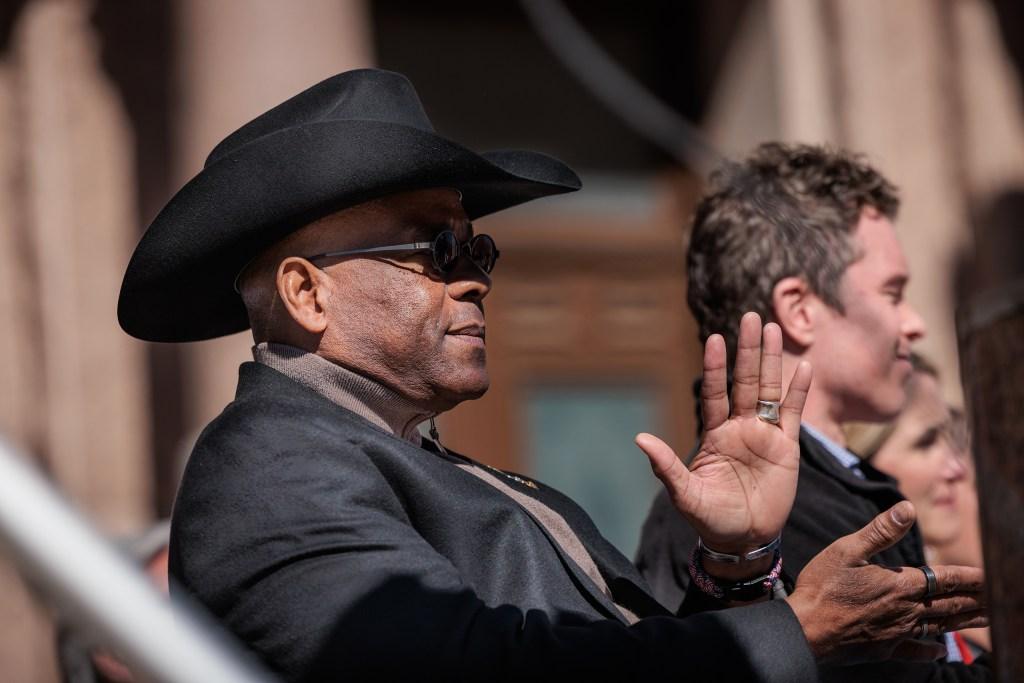
Allen West, the chair of the Dallas County Republican Party, has stepped down from his position, as confirmed by officials from the Dallas County Elections Department.
This announcement follows West’s controversial agreement on March 17 to utilize countywide polling sites for the upcoming runoff election scheduled for May 26, a decision that faced backlash from certain members within his party.
Initially, Dallas Republicans aimed to manually count primary ballots but abandoned that plan due to insufficient staffing. Consequently, they opted to have voters report to specific precincts rather than countywide voting centers during the March 3 primary, leading to significant disorder. Over 12,000 voters from both parties mistakenly went to incorrect polling locations on Election Day.
West’s resignation is not directly linked to the chaos experienced on Election Day but is rather a result of his later endorsement of returning to countywide voting for the May runoff.
He did not provide an immediate response to requests for comment. The Dallas County Elections Department confirmed that West informed county elections administrator Paul Adams of his resignation on Wednesday afternoon but refrained from further commentary.
For several months, West had championed the use of precinct-based voting for the primary elections and advocated for the termination of the countywide polling place program, which has permitted voters to cast their ballots at any location within the county for years. However, in his March 17 statement, he cautioned that reverting to assigned precincts for the runoff could lead to “increased risk and voter confusion.”
“To then shift for the one day runoff election to precincts would bring about large-scale disruption,” West stated at that time.
He anticipated resistance from his fellow party members regarding this decision.
In a blog post on the party’s website dated April 6, he expressed concerns that continuing with precinct-based voting for the runoff could put the county party on “a most dangerous course of action.” He warned that the party might face legal challenges alleging intentional voter disenfranchisement.
West justified his decision by emphasizing the importance of leadership responsibilities, stating, “The decision that I made was one rooted in years of understanding leadership and its responsibilities, namely, protecting your Troops. If there are those who do not see this as noble and honorable, that is fine with me. I have stated my position and under my watch as Chairman of the Dallas County Republican Party will not expose this organization to potential damaging legal efforts.”
In Texas, some Republicans have long sought to abolish the countywide polling place program, advocating instead for hand-counting ballots and eliminating electronic voting machines. This movement gained momentum following the 2020 election, influenced by the unfounded claims made by former President Donald Trump regarding the election’s integrity.
Critics within the Republican Party argue that countywide voting undermines election security by potentially allowing individuals to vote multiple times; however, there is no evidence to support the notion that this system is less secure. Texas election officials have implemented various measures to prevent double voting, including technology that monitors who has voted and where in real time.
The countywide voting program, in place in Texas for over two decades, is praised by state election officials for its cost-effectiveness, enabling counties to operate fewer centralized polling locations with reduced staff and equipment.