








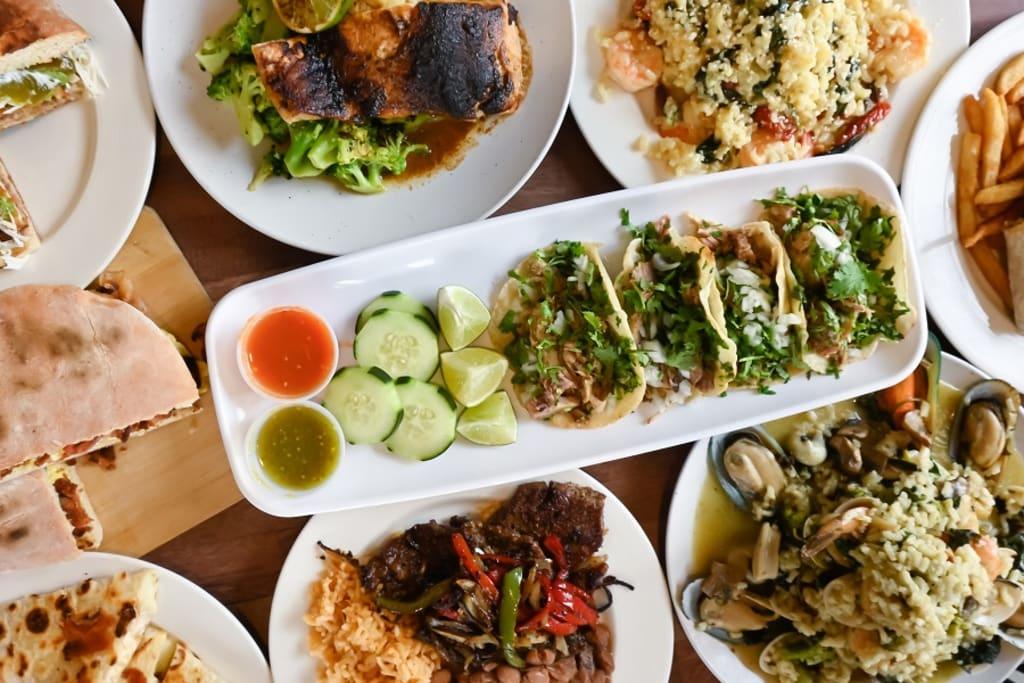
The Evolution of Texas Cuisine
Texas cuisine is a dynamic tapestry woven from the rich history, diverse cultures, and abundant resources of the Lone Star State. From the indigenous peoples who originally inhabited the land to the Spanish explorers, settlers, and more recent immigrants, each wave of cultural influence has left an indelible mark on the state’s culinary landscape. This evolution, driven by geography and history, has created a unique food culture that reflects the bold spirit of Texas.
Spanning from the barbecue joints of Central Texas to the Tex-Mex kitchens of South Texas, Texas cuisine is renowned not only for its variety but also for its distinctive flavors and techniques. Each aspect tells a story of adaptation and innovation, showcasing a region that celebrates its multicultural heritage. The journey of Texas cuisine is one filled with tales of resilience, creativity, and an ongoing blend of old and new.
Historical Influences on Texas Cuisine
The roots of Texas cuisine can be traced back to the native peoples, such as the Caddo and Comanche, who relied on local ingredients like game, fish, and wild plants. Their methods of cooking, which emphasized sustainability and foraging, set the groundwork for the region’s food culture. After European contact, the introduction of new ingredients and cooking techniques transformed the culinary landscape.
Spanish explorers and settlers brought a wealth of ingredients, including spices, garlic, and meats such as pork and beef. They introduced the concept of ranching, which gave rise to a culture centered around cattle. The intersection of these influences led to a distinctive melding of traditional indigenous practices with European staples. Dishes such as tamales, enchiladas, and later, iconic Tex-Mex fare emerged as reminders of this cultural synthesis.
Another essential influence came from German and Czech immigrants in the 19th century, particularly in the Central Texas region. These settlers contributed their cooking styles and recipes, introducing foods such as sausages and kolaches to local markets. The fusion of German and Mexican flavors resulted in unique dishes that are celebrated today, demonstrating the region’s adaptability and openness to blending diverse culinary heritages.
Tex-Mex: A Culinary Revolution
Tex-Mex cuisine, a close cousin of traditional Mexican fare, represents a significant chapter in the story of Texas cuisine. Emerging from the melding of Mexican and Texan culinary traditions, Tex-Mex has evolved into a rich and beloved genre, characterized by its vibrant flavors and hearty portions. Key ingredients such as cheese, beans, and the importance of fortified sauces define this style of cooking.
The rise of Tex-Mex can be attributed to various factors, including the region’s proximity to Mexico and the influence of the Tejano culture. The creation of iconic dishes like nachos, burritos, and fajitas reflects this blending of cultures. Fajitas, in particular, have an interesting origin story; originally a dish composed of low-quality cuts of meat, they transformed into high-end restaurant fare, showcasing the versatility of Texas culinary ingenuity.
As Tex-Mex gained popularity, it began to seep into broader American culture. The 1980s saw a significant boom, largely thanks to chain restaurants that brought the cuisine to national attention. Restaurant staples, such as chili con carne and cheese enchiladas, are now ubiquitous across the country, solidifying Tex-Mex as a recognizable American food category.
Barbecue: The Quintessential Texas Dish
No discussion of Texas cuisine would be complete without mention of barbecue, an essential aspect of the state’s culinary identity. Barbecue in Texas is more than just a way of cooking food; it’s a rite of passage, a source of pride, and a means of community engagement. The history of barbecue in Texas is deeply rooted in its geography and cultural exchange, combining influences from Native American cooking, Spanish influences, and German sausage-making traditions.
Texas barbecue is distinct in its use of specific meats—particularly brisket, sausage, and ribs—slow-cooked over post oak or mesquite wood. This method lends a unique smoky flavor that residents and visitors alike savor. The state has developed various regional barbecue styles, each with its own unique techniques and flavor profiles, including Central Texas barbecue, East Texas barbecue, and the spicy varieties from West Texas.
The emergence of smoked brisket as a signature dish epitomizes the deep connection between Texans and their barbecue. What started as a frugal way to cook tough cuts of meat evolved into culinary artistry. Today, barbecue joints—from roadside stands to upscale restaurants—showcase the passion and skill of pitmasters intent on perfecting their craft. Events such as the Houston Livestock Show and Rodeo BBQ Cook-Off further highlight the culture, celebrating not just the food but the tradition that accompanies it.
Modern Texas Cuisine: A Fusion of Tradition and Innovation
In recent years, the evolution of Texas cuisine has continued to adapt, embracing diversity and innovation. Chefs and home cooks alike are exploring the boundaries of traditional dishes while incorporating global cuisines and modern techniques. This innovative spirit has given rise to a vibrant dining scene in cities such as Austin, Houston, and Dallas, where culinary experimentation thrives.
The farm-to-table movement has a significant impact on Texas cuisine, with chefs seeking to create dishes that honor local farmers and the region’s bounty. Seasonal ingredients, sustainably sourced meats, and organic produce define many modern Texas restaurants. Chefs are reimagining traditional dishes, providing a contemporary twist that appeals to a broader audience.
Local food festivals and markets showcase this evolution, highlighting artisans who produce cheese, charcuterie, and craft beer. The emphasis on local sourcing is not just a trend but rather a genuine effort to create a sustainable food ecosystem that benefits the community. The rise of culinary collaborations—a blend of chefs from various backgrounds coming together to showcase their unique styles—further exemplifies the fusion of flavors that characterizes modern Texas cuisine.
Food and Identity: The Social Fabric of Texas Cuisine
Texas cuisine is not merely about food; it is deeply intertwined with the state’s identity. It reflects a rich cultural tapestry that includes Indigenous, Hispanic, Anglo, and African American influences. As residents of Texas come from various backgrounds, their traditional recipes and cooking styles have coalesced, fostering a deep appreciation of culinary diversity.
Food serves as a communal experience, one that transcends differences and encourages social interaction. Whether it’s a backyard barbecue, a holiday feast, or community gatherings, meals in Texas bring people together. Celebrations often feature regional specialties, affirming the pride that Texans carry for their culinary heritage.
Moreover, food has become an expression of cultural pride, particularly among marginalized communities. The resurgence of traditional recipes and cooking techniques is seen as an assertion of identity and belonging, allowing communities to pass down their heritage and ensure its survival. Events such as Dia de los Muertos, Cinco de Mayo, and Native American heritage festivals highlight the role of cuisine in cultural expression, showcasing dishes that connect past generations to present ones.
Challenges and the Future of Texas Cuisine
As Texas cuisine continues to evolve, it faces several challenges, including the balancing act between preservation and innovation. With globalization, there is a danger of diluting regional flavors as new influences emerge. However, many chefs and home cooks are dedicated to honoring traditional methods while finding ways to incorporate new ingredients and techniques.
The impact of climate change is another pressing issue for Texas agriculture, which significantly affects food production. Farmers and ranchers are adapting by employing sustainable practices to reduce their environmental footprint and ensure that local food sources remain viable. They are exploring drought-resistant crops and sustainable livestock management as means of addressing these challenges.
Additionally, the pandemic has altered the way people think about food. As many restaurants pivoted to takeout and delivery options, there has been a renewed interest in home cooking. This shift has encouraged families to explore their culinary roots and rediscover traditional recipes, sparking a revival of interest in Texas cuisine at the grassroots level.
The Road Ahead: Embracing Diversity and Sustainability
Looking forward, the future of Texas cuisine appears bright, fueled by a blend of traditions, innovation, and a commitment to sustainability. With increased awareness around the importance of local sourcing and environmental stewardship, chefs are reimagining dishes while honoring the bounty of the land. The commitment to celebrating Texas culinary heritage remains strong, ensuring that future generations will continue to create and enjoy the flavors of Texas.
As urban areas grow and assimilate new populations, the diversity of flavors is likely to expand further. The emergence of new, multicultural food establishments will only serve to enrich an already vibrant culinary scene. The fusion of traditional Texan flavors with global cuisines creates opportunities for exciting new dishes that pay homage to the state’s culinary roots.
Texas cuisine embodies the quality of resilience, adaptability, and the welcoming spirit of its people. It is a story still being written, one that will continue to evolve as new generations embrace the history while paving the way for fresh interpretations. Texans will undoubtedly continue to celebrate their shared love of food, enriching their community while carving out future culinary adventures.